 Thistle Britches
The first time you see it, you almost hold your breath. The woods behind the cabin go dark, the cicadas quiet down for a moment, and then a single green spark blinks somewhere in the rhododendron. Then another. Then a whole hillside, pulsing together like the trees are breathing light. June in the Smokies is firefly season, and the show is wilder, stranger, and easier to catch than most visitors realize.
This guide is written from the hospitality side of the equation. I host guests at a secluded cabin above Dollywood in Sevierville, just outside Pigeon Forge, and June is when the questions start rolling in. Where do I go to see the synchronous fireflies? Do I really need a lottery ticket? Can I just watch from the deck? The honest answer is that there are several species putting on a show across late May and mid June, and you do not have to win a permit to have a magical night. You do need to know when to look, where to stand, and how to keep your eyes adjusted to the dark.
Key Takeaways
- The synchronous firefly window in the Smokies runs roughly late May through mid June, peaking for about two weeks.
- Elkmont access during peak requires a National Park Service lottery permit, but other species light up across the region without any ticket.
- A dark, private cabin deck on the east side of the Smokies is one of the easiest places to actually see fireflies, no hiking required.
- Red flashlights, patience, and zero phone screens are the difference between a good night and a great one.
- Pair the firefly hour with an early dinner and a hot tub soak for a complete summer evening.
Why the Smokies Firefly Show Is a Big Deal
Most of us grew up chasing yellow blinking fireflies in the backyard. The Smokies have those too, but they also host around nineteen species of fireflies, including the famous synchronous firefly, Photinus carolinus. For about two weeks in early summer, the males flash in unison, five or six quick blinks together, then several seconds of total darkness, then another wave. Stand in the right cove and the whole forest pulses on a shared heartbeat.
There are also blue ghost fireflies, which do not blink at all. They glow a steady, eerie blue green and drift low through the understory like tiny lanterns. And then the dozen or so common species that simply blink on their own schedule, painting the air with green confetti. You can read more about the biology on the National Park Service firefly page, which is the most reliable source for current dates and access rules.
The reason this matters for hospitality planning is simple. June bookings in the Pigeon Forge area fill fast precisely because of this two week window. If you want fireflies plus the rest of the summer slate, dinner shows, Dollywood, river time, you want a cabin that can pull double duty. A quiet deck on a wooded lot is the secret weapon most first time visitors do not think to ask about. For a broader picture of how to build a June itinerary around it, see this honest local guide to a summer cabin trip.
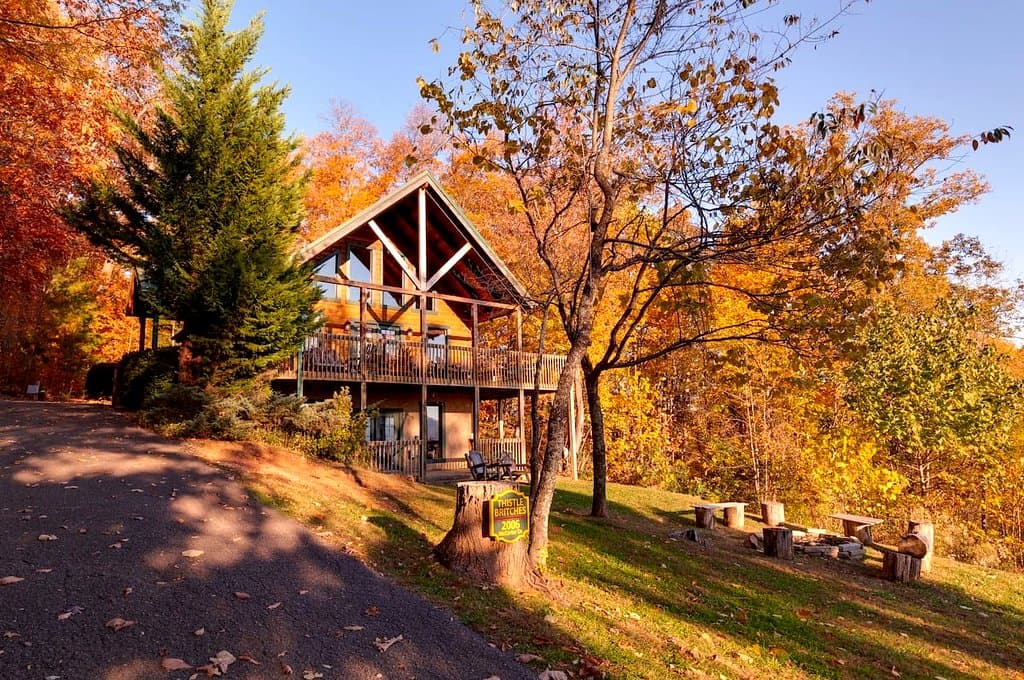
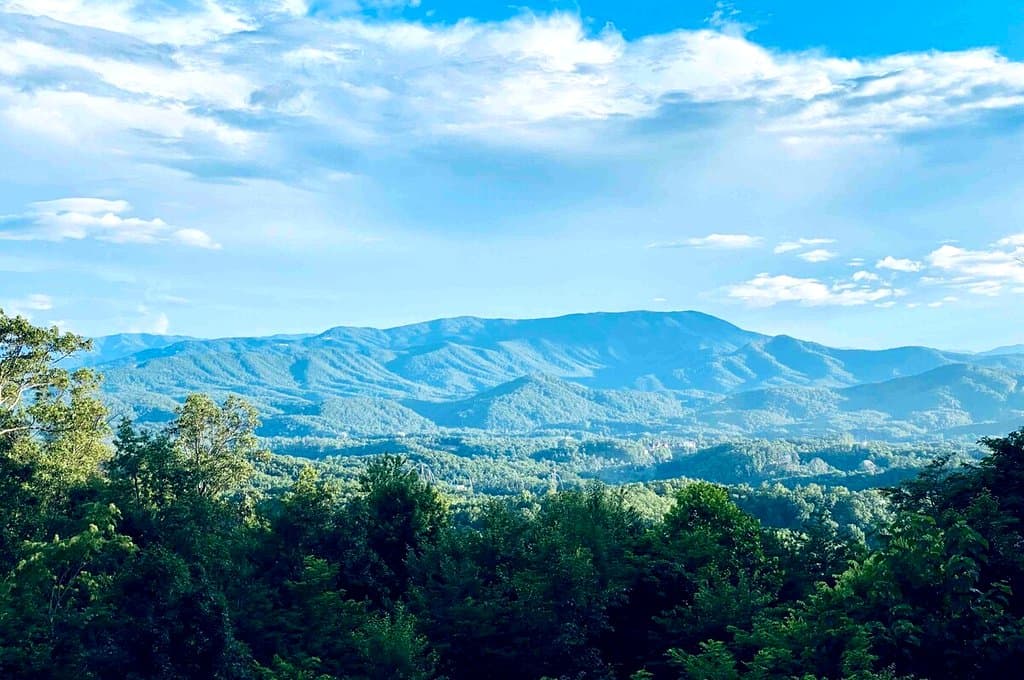
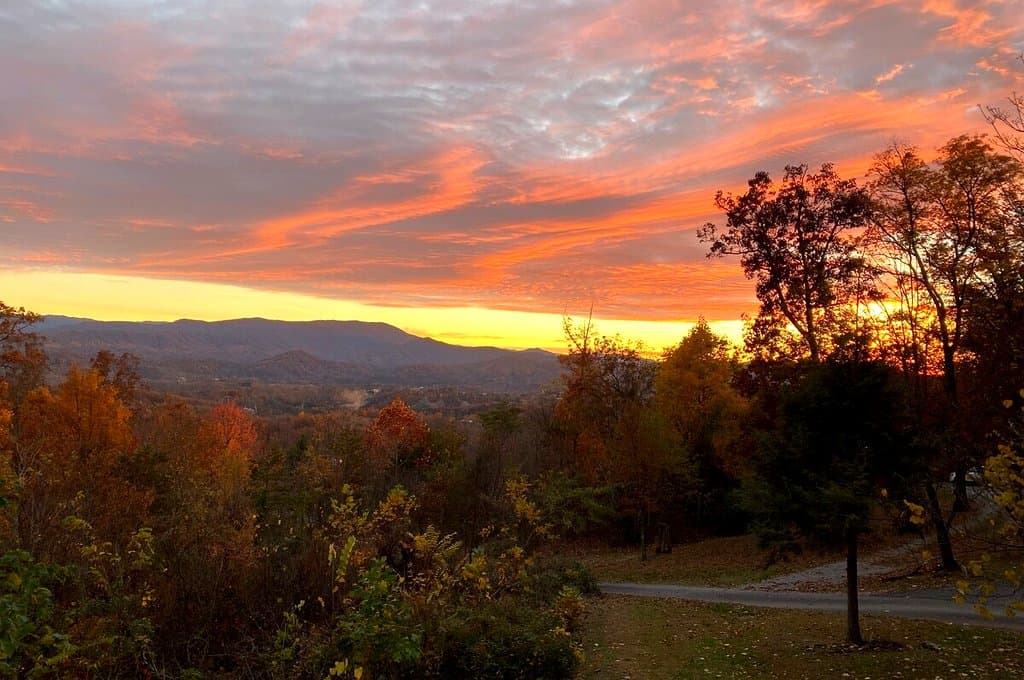
Actual photo of Thistle Britches, a private mountain cabin above Dollywood.
The Elkmont Lottery, Explained Without the Hype
Elkmont, a former logging community inside Great Smoky Mountains National Park near the Sugarlands entrance, is the most famous synchronous firefly viewing site in North America. During peak week, the National Park Service closes Elkmont to general traffic and runs a vehicle lottery. You apply online in the spring for a chance at a parking pass on a specific night. Win the lottery, and you ride a shuttle from Sugarlands Visitor Center to the viewing area at dusk.
Here is the part the brochures gloss over. The lottery is competitive, the window is narrow, and even if you win you are sharing the trail with hundreds of other people on folding chairs. It is still worth doing if you are a serious naturalist or photographer. For the average family, missing the lottery is not the end of the world. The same species lives all over the Smokies foothills. You do not need a permit to stand on a dark wooded acre on the Sevierville side and watch the trees light up.
The Pain Point: Picking a Cabin That Actually Lets You See Anything
This is where most first time visitors get burned, and it is the hospitality issue worth dwelling on. Pigeon Forge has thousands of cabin listings. A huge share of them are stacked into resort developments where the next deck is fifteen feet away, the road has streetlights, and the porch light next door stays on all night. For fireflies, that setup is a dealbreaker. The insects need real darkness to flash visibly, and your eyes need about twenty minutes of unbroken low light to fully adjust.
What you want to look for, regardless of which property you pick, is genuine seclusion. A real private acre, not a postage stamp. Tree cover on at least one side. Distance from the Parkway lights. A deck that wraps the woods rather than facing another cabin's hot tub. Multiple floors help too, because getting up off the ground level often puts you eye to eye with the canopy where a lot of the flashing happens.
When guests at our cabin ask why they saw so many more fireflies than they expected, the answer is usually the lot itself. One secluded acre above Dollywood, three floors of deck space, the woods coming right up to the railing. Recent guests have called it the most private cabin they have ever rented, and that privacy is not just a comfort feature in June. It is the actual viewing platform. If you want a sense of the trade offs around location and lot selection generally, this first time visitor's guide to Pigeon Forge cabins walks through what really matters.
Want a quiet, wooded deck for firefly season without fighting for a parking permit? Lock in your June dates before the synchronous window books out.
Book Your StayHow to Actually Watch, Hour by Hour
Firefly viewing has a rhythm. Rush it and you miss the best part. Here is the cadence I share with guests when they ask.
Around 7:30 to 8:30 PM
Eat dinner on the deck or grill out. The propane grill on the deck makes this easy, and you want to be done eating before the show starts. Pack away anything with a bright screen.
Around 8:45 to 9:15 PM
Twilight settles. Dim or kill every interior light that spills onto the deck. Switch outdoor lights off entirely. Hand out red flashlights or red cellophane taped over phone lights for anyone who needs to walk around. White light resets your night vision and ruins it for everyone else.
Around 9:15 to 10:30 PM
The first scattered blinks appear. If you are in good habitat, the synchronous waves start about a half hour after full dark. Sit still. Let the kids whisper. The longer you stay quiet, the closer the fireflies will come. Many guests report fireflies eventually flashing within arm's reach of the railing.
After 10:30 PM
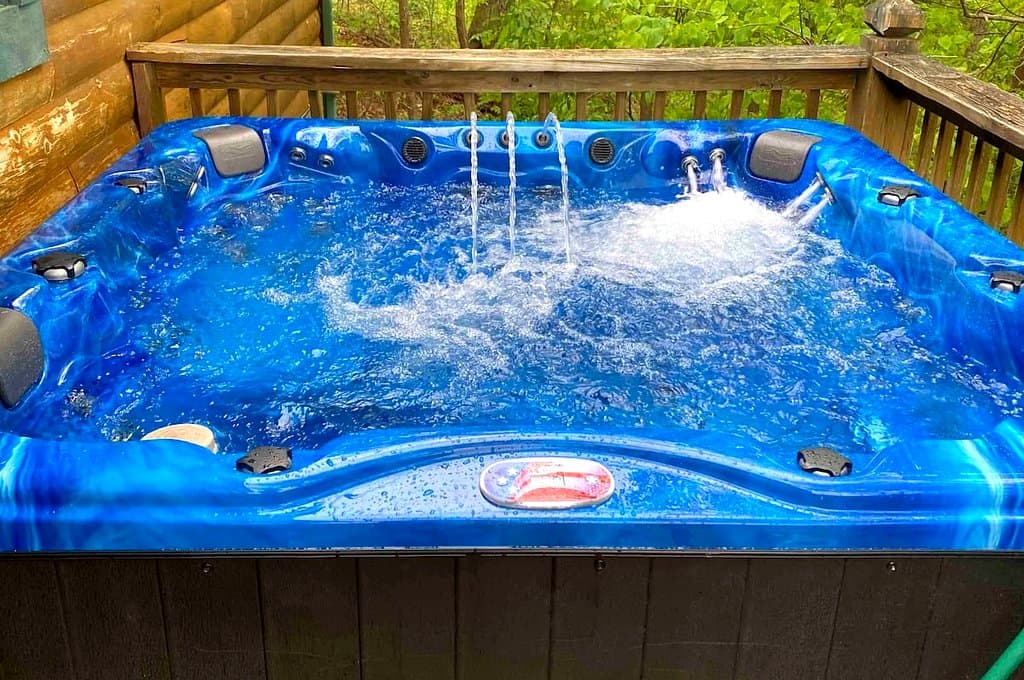
Activity tapers. This is hot tub time. A 56 jet soak under a sky still flecked with the occasional green spark is the right way to close out the evening. Then bed, because the Sugarlands entrance to the park is twenty minutes away and you will want an early start for the trails.
Pairing Fireflies With the Rest of Your Trip
The smartest June itineraries treat fireflies as the evening anchor and build the day around them. Mornings are for hiking while it is still cool, the foothills around Sevierville and Gatlinburg are full of options. Afternoons handle the indoor and water based stuff, river tubing, the game room when an afternoon thunderstorm rolls in, an early arcade run with the kids so they burn energy before the quiet evening sit.
Dollywood is the obvious draw for families, and there is a nice bonus from the east side of the Smokies. From a high deck above the park, the nightly fireworks and drone show are visible right from home. On a clear June night, you can watch the Dollywood show, wait fifteen minutes for full dark, and then watch the fireflies. Two completely different light shows back to back. If you are pulling together a slower paced trip, this slow weekend plan for couples works just as well as a family blueprint.
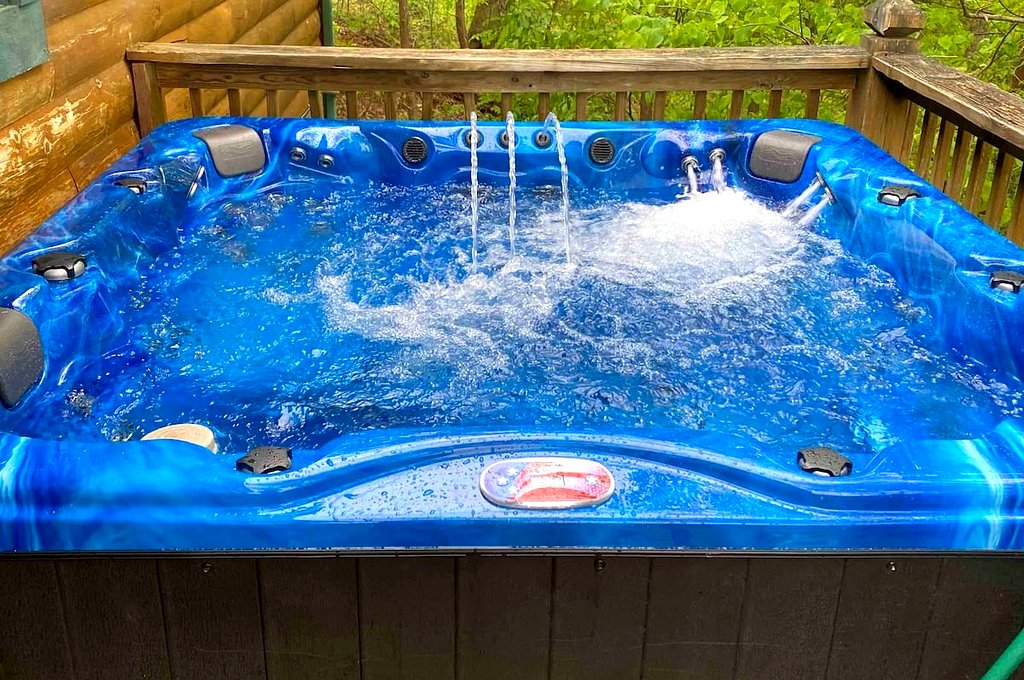 56-Jet Luxury SpaBluetooth, subwoofer, LED waterfall.
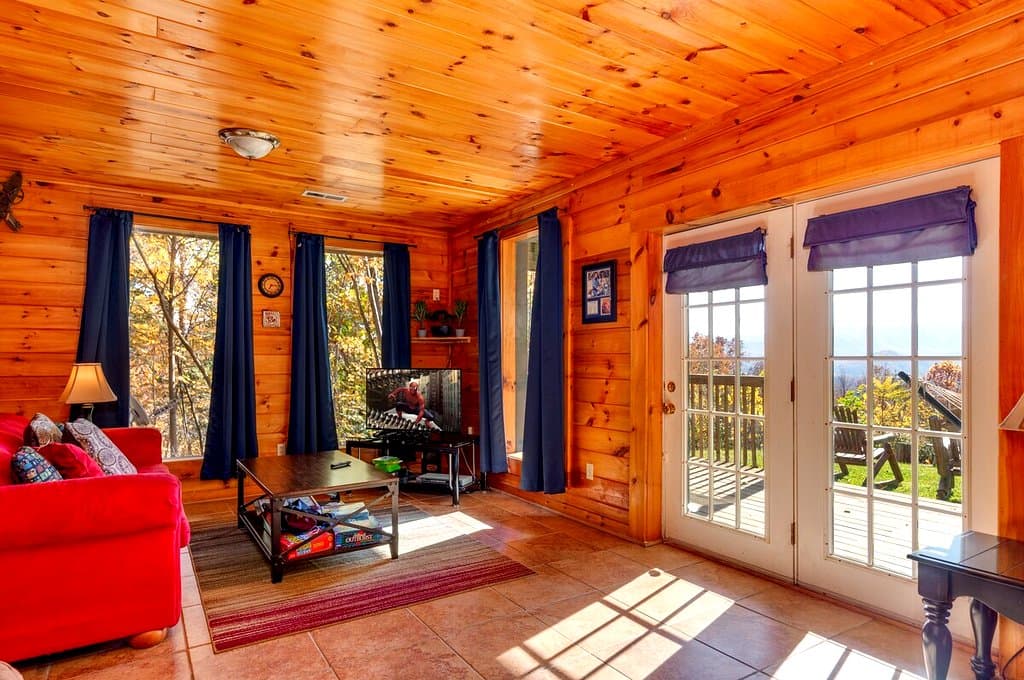
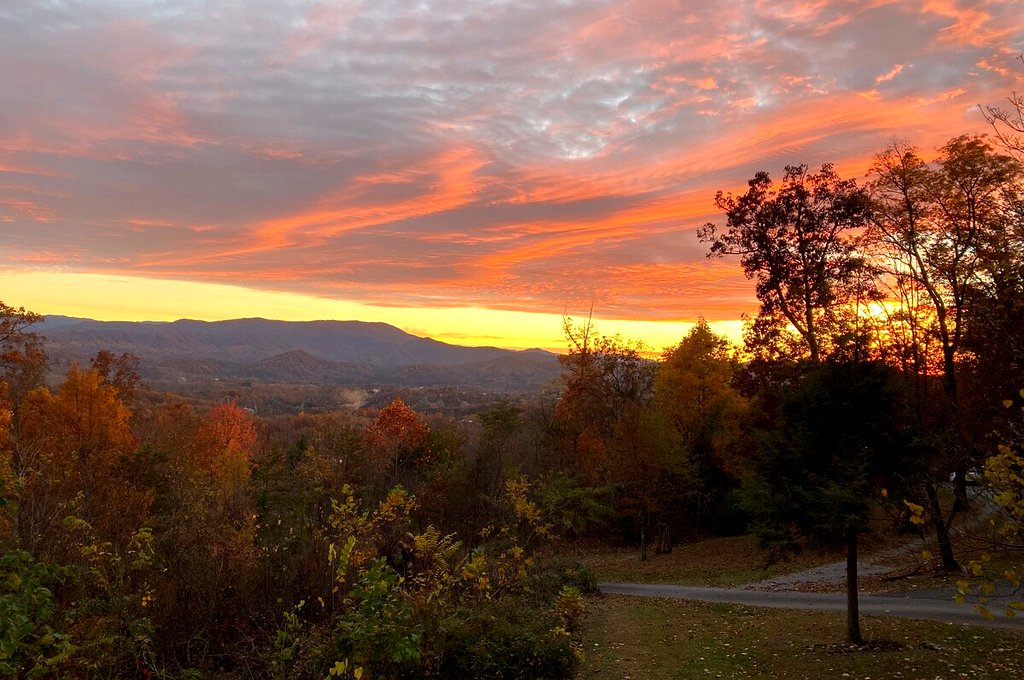 Mountain-View EveningsWatch the evening light change over the mountain ridges.
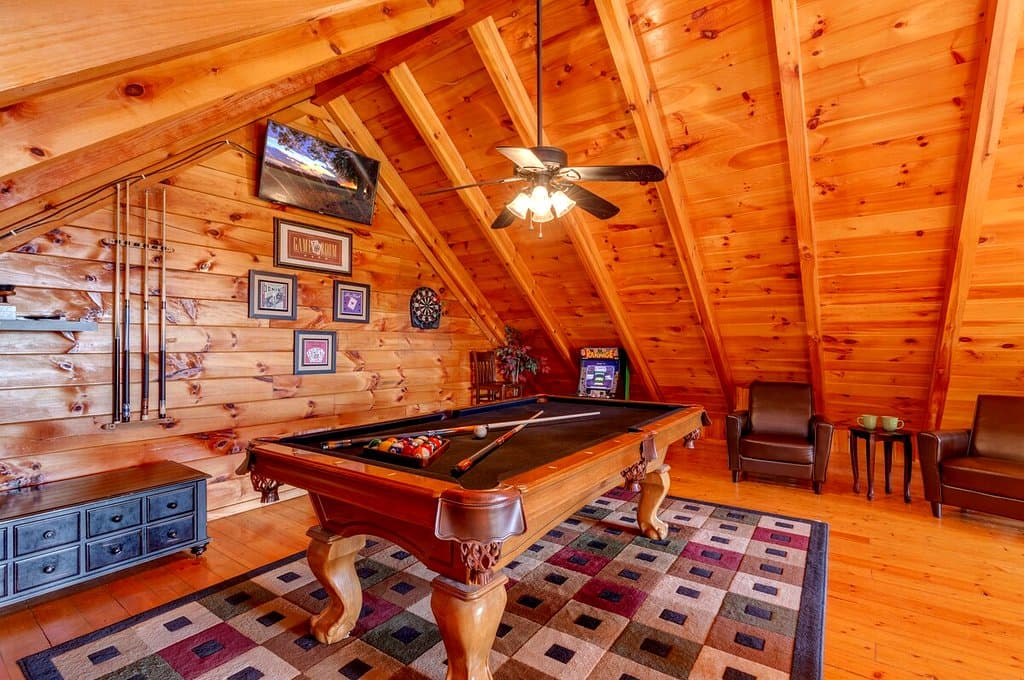
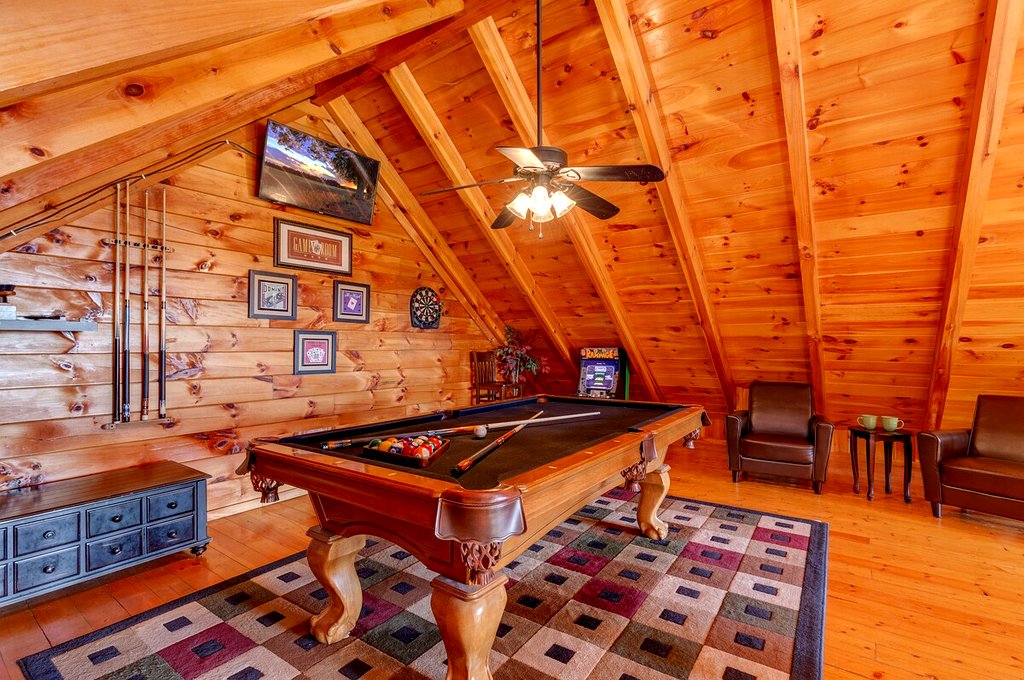 Game RoomPool table, arcade, darts, Xbox.
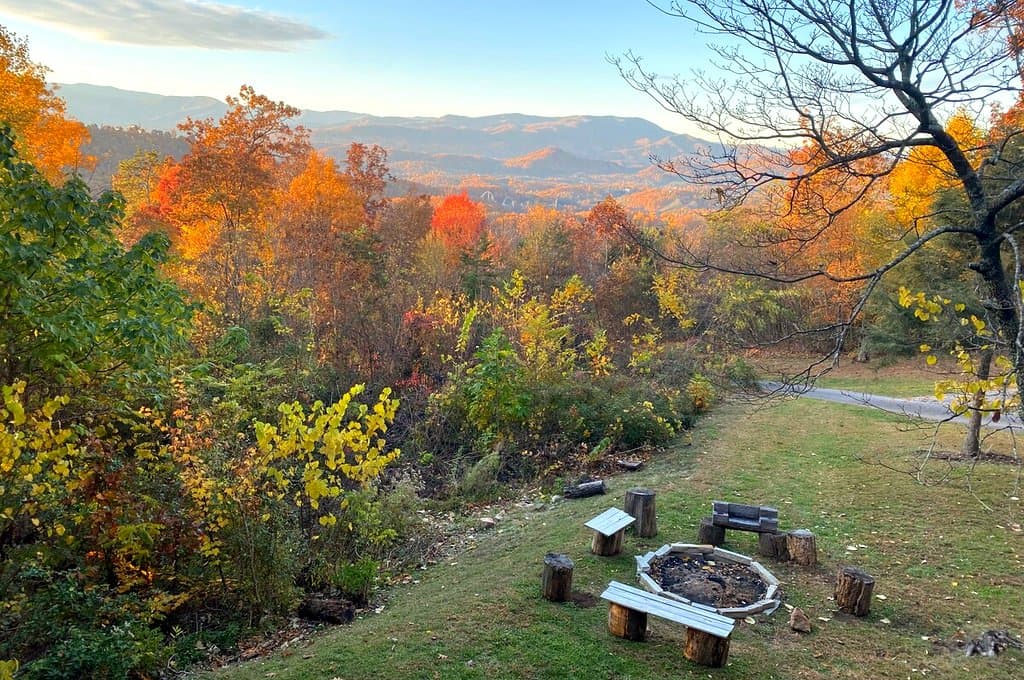
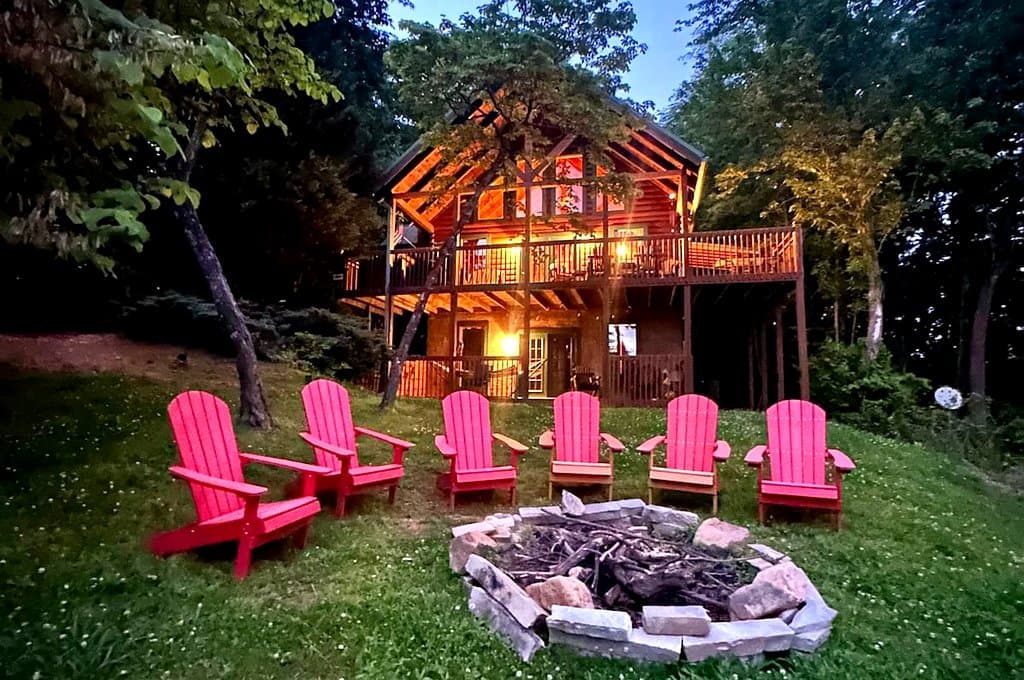
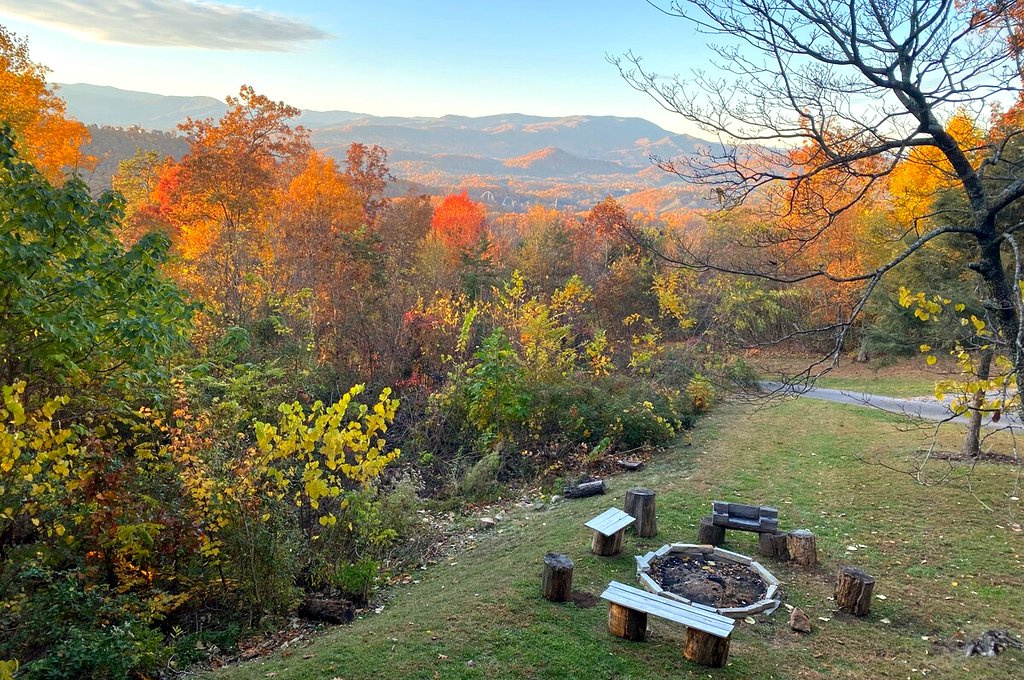 Mountain-View Fire PitS'mores with a ridgeline backdrop.
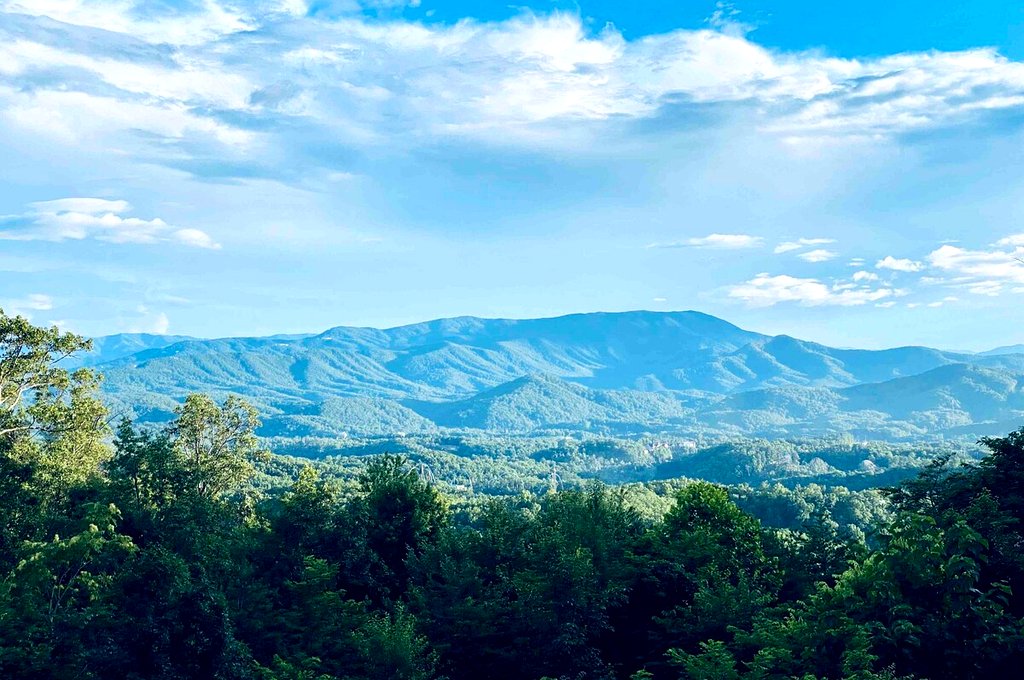 One Private AcreNo neighbors on three sides, 800 forest acres around you.
Frequently Asked Questions
Do I have to drive into the national park to see synchronous fireflies?
No. Photinus carolinus and other species range across the entire region, including private wooded land outside the park boundary. The park concentration at Elkmont is famous because the habitat is ideal and the area is protected, not because it is the only place they exist. A dark, wooded lot on the Sevierville side of the Smokies regularly produces excellent viewing without any permit at all.
What if it rains during my June trip?
Fireflies tolerate light rain and high humidity better than people do. A misty, drizzly evening can actually be a great viewing night. Heavy thunderstorms shut down the show, but those usually pass within an hour or two in the Smokies. Have a backup plan for the kids during the storm itself, a game room with a pool table and arcade is the standard hospitality answer, then head back to the deck once it clears.
Are fireflies safe to catch with kids?
Brief, gentle catch and release is fine and is a rite of passage for a lot of families. Use cupped hands or a clean jar with air holes, hold for under a minute, then let them fly. Do not collect them, do not keep them overnight, and skip the catching entirely during the synchronous peak when you want to avoid disrupting the mating flashes. Watching is always better than catching.
What time does it get fully dark in the Smokies in June?
Full astronomical dark arrives later than you think in June, often not until nearly 10 PM at the height of the season. Civil twilight ends around 9 PM. Plan your dinner and settling in around that timeline. Sunset itself is too early to start watching, the fireflies barely register until the sky has gone a deep blue black.
Do bug zappers or citronella candles affect the show?
Yes, and not in a good way. Bug zappers kill fireflies along with mosquitoes. Citronella candles produce enough flicker and light to confuse the synchronous flashing pattern. For the firefly hour, skip both. Wear long sleeves, accept a couple of mosquito bites, and let the deck stay dark.
Booking the Window, Practically
The synchronous peak is unpredictable from year to year because it depends on spring temperatures and rainfall. The park service usually announces the predicted peak in mid May. By then, the prime June cabin dates have been booked for months. The fix is to reserve early in the spring with the assumption that you will hit some part of the firefly window, and then enjoy whatever piece of it lands during your stay. Even the shoulder weeks on either side of the official peak deliver plenty of light.
Bring a few practical items. A red headlamp for each adult. A light sweater, because the cabin sits at elevation and June evenings can drop into the low sixties. Patience for the youngest kids, who will need a sugar free distraction during the twenty minute dark adaptation period. And, ideally, a partner or family member who is just as willing as you are to sit still in the dark and watch the woods do something most people will never see.
If you want a private, wooded deck on the east side of the Smokies for firefly season, with the Dollywood fireworks as a warm up act, June dates go quickly. Reserve before the lottery announcement and the rush that follows.
Start Planning Your Trip