 Thistle Britches
The best mornings in the Smokies usually start the same way. Coffee on the deck, a thin layer of fog still hanging in the hollows below Parrot Mountain, and the quiet realization that you do not actually want to spend the day fighting traffic on the Parkway. You want to be in the woods by 9, back by lunch, and lazy on the deck before the Dollywood fireworks start at dusk. That is the rhythm a good Smokies trip settles into, and it depends on knowing which trails are worth your morning.
Most lists of Smoky Mountain hikes throw beginners into the deep end. Alum Cave, Chimney Tops, Mount LeConte. Those are real hikes for real hiking days. This is not that list. This is the short list of easy hikes within 30 minutes of Pigeon Forge that suit grandparents, six-year-olds, recovering knees, and dogs on leashes. As your host and a year-round neighbor to these trails, my goal in this slice of mountain hospitality is to point you at the ones I actually send guests to, and steer you clear of the ones that look easy on the map but are not.
Key Takeaways
- All five trails sit within a 30 minute drive of the cabin above Dollywood.
- Every hike here is under three miles round trip with modest elevation.
- Go before 10 a.m. on weekends. Parking is the real difficulty rating in the Smokies.
- Four of the five are dog friendly on leash. The fifth is inside the national park and is not.
- Pair a morning hike with an afternoon back at the cabin so kids and knees recover before dinner.

The Gatlinburg Trail, the easiest national park hike you have not heard of
If you have never set foot on a national park trail, start here. The Gatlinburg Trail runs roughly 1.9 miles one way between the Sugarlands Visitor Center and the edge of downtown Gatlinburg. It is flat, wide, and follows the West Prong of the Little Pigeon River the whole way. You will pass old homesite chimneys, a footbridge with a swimming-hole view, and more wildflowers in April than you can name.
Here is the part most guides bury: this is one of only two trails inside Great Smoky Mountains National Park that allow leashed dogs. That alone makes it the right first hike for any group traveling with a pup. From the cabin above Dollywood, you are at the Sugarlands trailhead in about 20 minutes by way of the Spur. Park at Sugarlands, not Gatlinburg, because the visitor center lot turns over faster and has real bathrooms.

Laurel Falls, the famous one done correctly
Laurel Falls is the trail every first-time visitor hears about, and the one that creates the worst Smokies memories when handled wrong. The hike itself is gentle. 2.6 miles round trip, paved the whole way, with a real 80 foot waterfall at the turnaround. The problem is not the trail. The problem is the parking lot, which fills by 8:30 a.m. on summer Saturdays and stays full until 4 p.m.
Treat it like a sunrise mission. Leave the cabin by 7, be on the trail by 7:45, and you will have the falls mostly to yourselves with cool air and good light. The drive from the Pigeon Forge area to the Laurel Falls trailhead on Little River Road runs about 30 minutes door to door if you cut through Gatlinburg early before the lights back up. If you cannot do early, do late. The lot empties around 5 p.m. and the light through the rhododendron at that hour is worth the timing.
This one is inside the national park, so no dogs. Leave the pup back at the cabin with a Kong and a window view. For broader trip planning around hikes like this, our first-time visitor's guide to Pigeon Forge covers the timing tricks that make or break a Smokies week.

Andrews Bald, the easy hike that feels like a big one
Andrews Bald is the trail I send people on when they want a bragging-rights view without a brutal climb. The trailhead sits at Clingmans Dome, which is the highest point in Tennessee, so you are already at 6,300 feet before you take a step. From there, the Forney Ridge Trail rolls 1.8 miles down through spruce and fir to a wide grassy bald with panoramic views south into North Carolina.
It is 3.6 miles round trip, with about 600 feet of elevation gain on the way back. That is the only part that earns the word "hike." Take it slow, drink water, and remember you are a mile above sea level. The drive from the cabin runs right at 50 minutes, which technically pushes the 30 minute promise of this list, but the payoff is so much bigger than anything closer that I am bending my own rule. Pack a sandwich, eat it on the bald, and call it a half day.
Want a base camp where the hot tub, fiber WiFi, and a front-row deck view of the Dollywood fireworks are waiting after the trail. The cabin is built for slow Smokies mornings and lazy mountain nights.
Book Your Stay
The pain point nobody warns you about, and how good hospitality fixes it
Here is the honest part of this hospitality guide. The thing that wrecks most Smokies hiking trips is not the trail difficulty. It is the recovery. Families plan three big hikes back to back, the kids melt down on day two, the grandparents nap through dinner, and by day three nobody wants to leave the parking lot. Add a foggy morning when the Smokies do what their name suggests, and the whole plan crumbles.
The fix is not a better trail app. The fix is where you sleep. A cabin that gives you a real reason to come back at noon is worth more than another mile of trail. That is why guests routinely tell me the deck, the 56 jet hot tub, and the game room saved their trip more than any single attraction did. One recent review put it plainly, calling it the most private quiet cabin they had ever rented. Privacy is the real recovery tool. When the kids are deep in a pool table tournament and the dog is asleep on the acre out back, nobody is fighting over what to do next.
So as you plan these hikes, plan the in-between. One trail before lunch, cabin time after, dinner in town or grilled on the deck, fireworks at 9:30. That cadence is what people actually remember. For a broader look at how that rhythm plays out across a week, our notes on things to do in the Smokies, honestly walks through the trade-offs.
Metcalf Bottoms and the Little River, the picnic hike
Metcalf Bottoms is barely a hike. It is a picnic area with a trail attached, and that is exactly why it belongs on this list. From the picnic pavilions, a flat half mile walk along the Little River leads to the Little Greenbrier School, a one-room log schoolhouse that still has its original blackboard and pews. The kids will ask better questions there than at any museum on the Parkway.
The drive runs about 25 minutes from the cabin. Bring sandwiches, a couple of camp chairs, and water shoes if it is warm. The Little River here is shallow, slow, and full of the smooth round rocks that the Smokies are famous for. This is the kind of low effort, high reward stop that works for three generations at once, which is why it shows up on most of the multi-generational plans I help guests sketch.
Cataract Falls, the five minute waterfall
Cataract Falls is the secret hike of Sugarlands Visitor Center. The trailhead starts behind the building, the round trip is about a mile, and there is a small waterfall at the end. Total elevation gain is negligible. You can do it in flip flops, although I would not recommend it. Most people drive right past Sugarlands on the way to a bigger trail and never know this one exists.
It pairs well with the Gatlinburg Trail since both start from the same parking lot. Do Cataract first thing in the morning, grab a junior ranger booklet from the visitor center for the kids, and then add a mile or two of the Gatlinburg Trail if everyone still has legs. That stacks two national park hikes into a single 25 minute drive from the cabin. Efficient mountain hospitality at its quietest.
Frequently asked questions
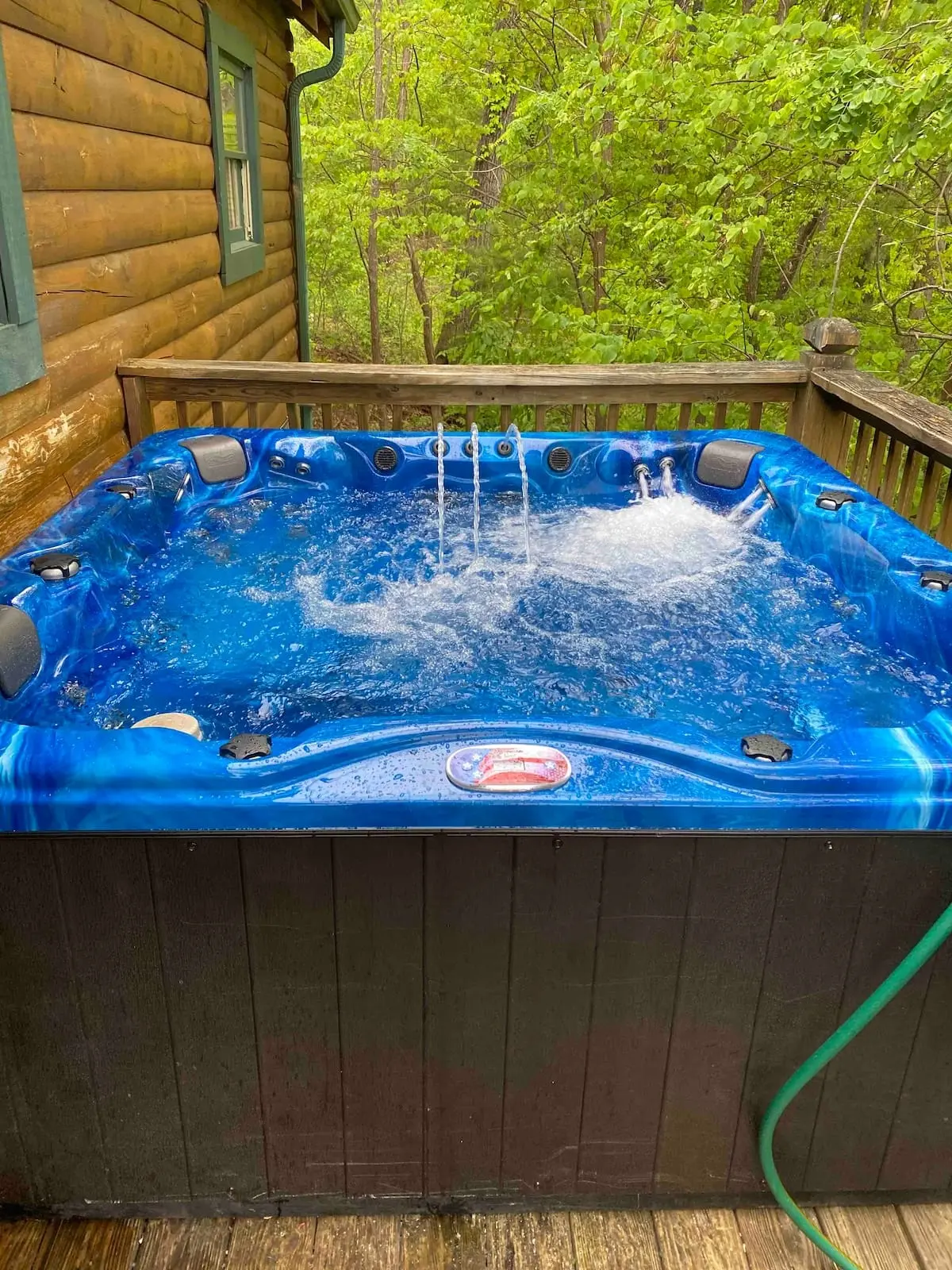 56-Jet Luxury SpaBluetooth, subwoofer, LED waterfall.
 Dollywood Fireworks ViewThe deck faces the show. In season you watch from the rail.
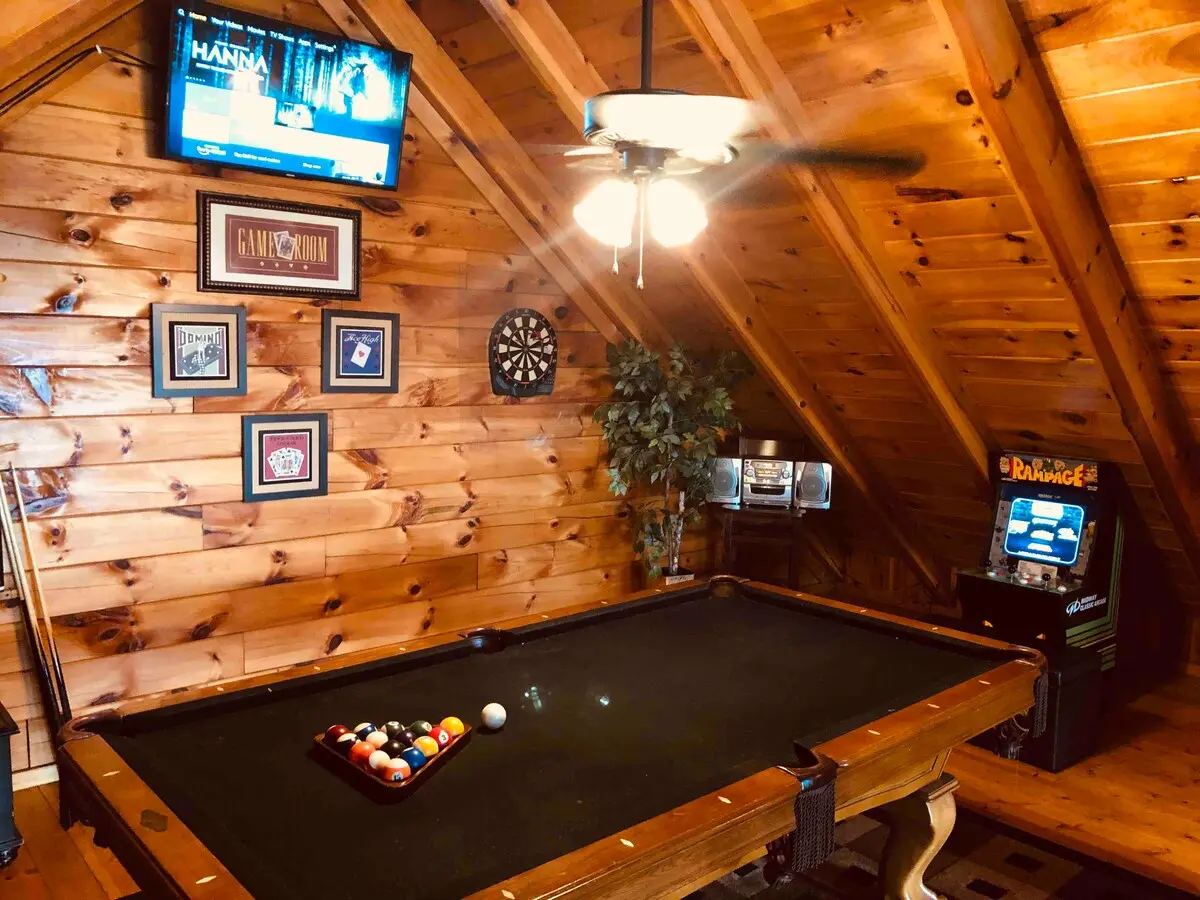 Game RoomPool table, arcade, darts, Xbox.
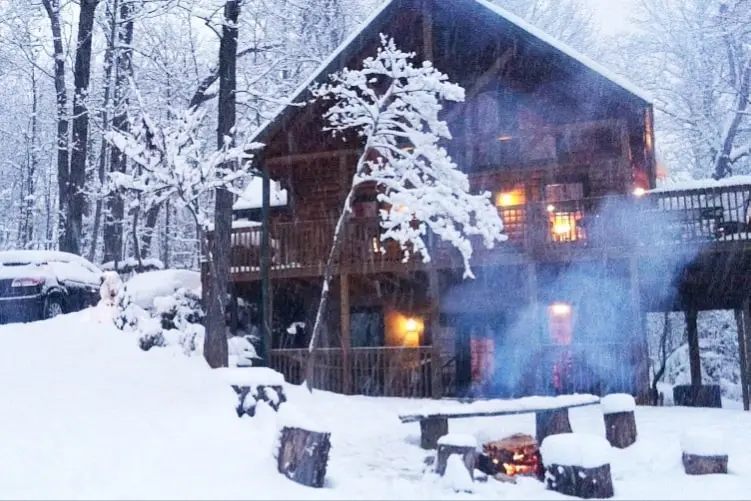 Mountain-View Fire PitS'mores with a ridgeline backdrop.
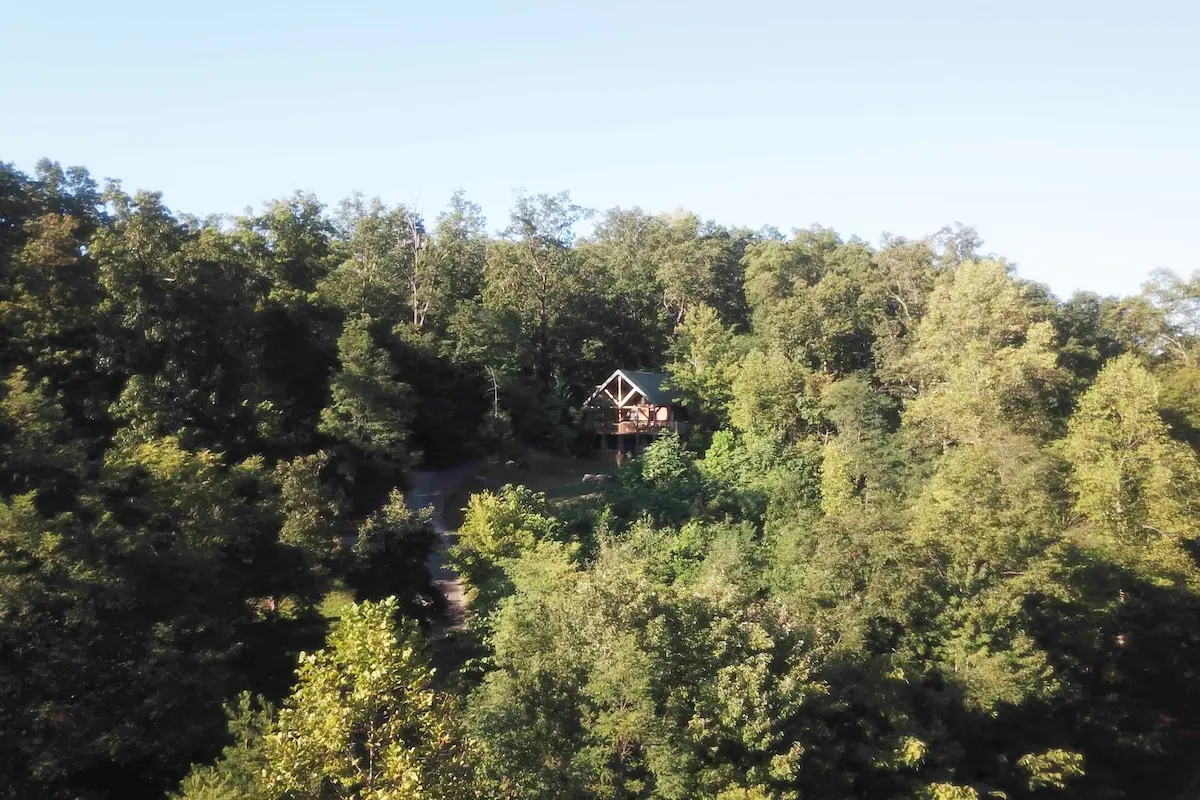 One Private AcreNo neighbors on three sides, 800 forest acres around you.
What is the easiest hike in the Smokies for someone who has never hiked before
The Gatlinburg Trail is the honest answer. It is flat, well marked, follows a river the whole way, and lets you turn around whenever you want without missing a payoff. Cataract Falls is a close second if you want a small waterfall at the end of a short walk.
Are any of these trails good for dogs
The Gatlinburg Trail and the Oconaluftee River Trail are the only two dog friendly trails inside the national park, and the Gatlinburg Trail is the one within 30 minutes of Pigeon Forge. Outside the park, dogs are welcome on national forest trails and state park paths, but inside Great Smoky Mountains National Park, leashed dogs are otherwise restricted to roads, campgrounds, and picnic areas per park pet rules.
When is the worst time to try Laurel Falls
Between 10 a.m. and 3 p.m. on any Saturday from May through October. The parking lot fills, cars line the shoulder of Little River Road illegally, and rangers ticket. Go at sunrise or after 4 p.m. instead.
Do I need a parking pass to hike in Great Smoky Mountains National Park
Yes. The park now requires a paid parking tag for any vehicle parked longer than 15 minutes at a trailhead. You can buy daily, weekly, or annual tags at visitor centers and online. It is a small fee and it funds trail maintenance, so think of it as a tip jar for the park.
What should I pack for an easy Smokies hike
Water, a light rain shell, and real shoes with tread. The Smokies earn their name on most mornings, and a sunny start can turn into a steady drizzle by 11 a.m. A small backpack with snacks for kids handles most situations.
If you want easy mornings on the trail and lazy afternoons watching the fireworks roll over Dollywood, the cabin above Parrot Mountain was built for exactly this kind of trip. Dates go fast in shoulder season, so it pays to look early.
Start Planning Your Trip