
 Thistle Britches
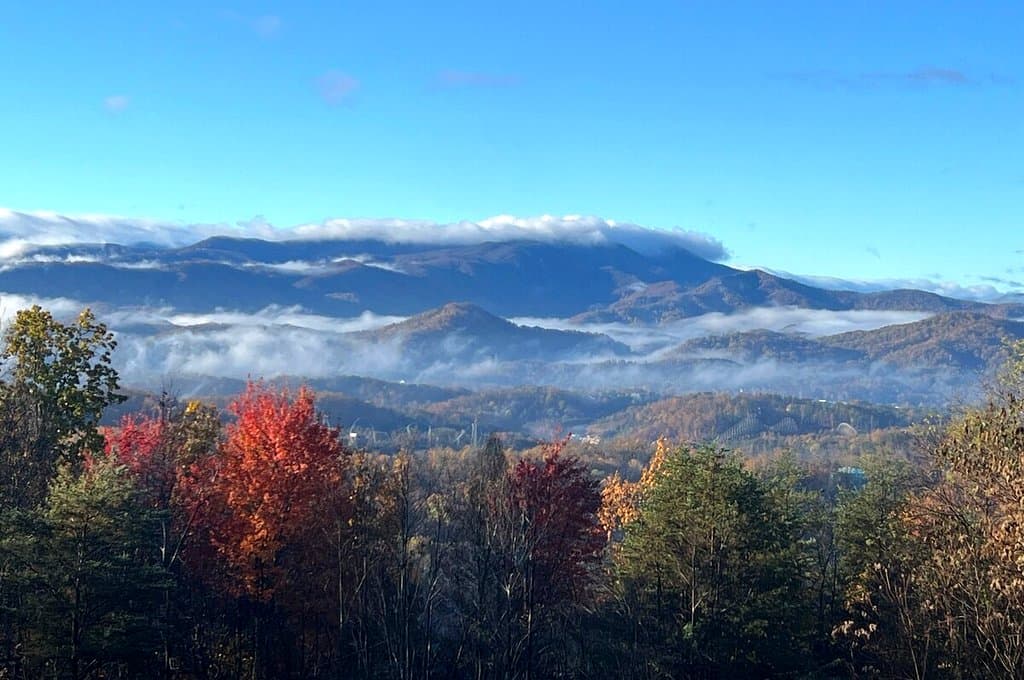
At 6:40 on an October morning, the fog sits in the valley below our deck like spilled milk, and the ridge line south toward Dollywood looks like it was cut from blue paper. That is the window. Thirty minutes later the first wave of cars is already stacking up at the Sugarlands entrance, and by nine the Cades Cove Loop has turned into a slow parade of brake lights. So when guests ask me what are the top 5 things to do in the Great Smoky Mountains National Park, the honest answer always includes a clock, not just a list.
The park covers more than 522,000 acres across Tennessee and North Carolina, and it draws more visitors annually than any other national park in the country. That is both the appeal and the problem. The best moments here are not hidden behind some secret gate. They are behind a time of day. Leave the cabin at dawn and you get elk, waterfalls, and empty overlooks. Leave at ten and you get a parking lot with a view.
Below is the list I actually hand to guests, ordered by payoff per hour, with the logistics that keep a good day from turning into four hours in traffic.
Key Takeaways
- Cades Cove, Kuwohi (formerly Clingmans Dome), Laurel Falls, Roaring Fork Motor Nature Trail, and Newfound Gap Road are the five highest-payoff experiences in the park.
- Arrival time matters more than trail choice. Be at a park entrance before 8 a.m. in summer and fall.
- A parking tag is now required for any vehicle parked longer than 15 minutes inside the park.
- Staying on the Pigeon Forge side puts you roughly 25 to 40 minutes from most trailheads, depending on which entrance you use.
- Pack layers. Kuwohi routinely runs 10 to 20 degrees cooler than the valley floor.
What Are the Top 5 Things to Do in the Great Smoky Mountains National Park
Cades Cove Loop. An eleven-mile one-way loop through a broad valley ringed by mountains, with preserved 19th-century cabins, three churches, and a working grist mill. This is where the wildlife is. Black bears feed in the field edges, white-tailed deer graze in the open meadows, and wild turkeys cross the road without apology. The loop takes about an hour with zero traffic and three hours on a Saturday in July. Go at sunrise. On select Wednesdays in the warm season the loop closes to vehicles for bicycles and pedestrians only, which is the single best way to experience it.
Kuwohi. At 6,643 feet, this is the highest point in the park and the third highest east of the Mississippi. The name was officially restored to the Cherokee original, meaning "mulberry place." A steep half-mile paved walk leads to a spiral observation ramp with a 360-degree view that, on a clear day, reaches seven states. The road closes to vehicles from December 1 through March 31, so plan accordingly.
Laurel Falls. The most accessible real waterfall in the park, an 80-foot cascade reached by a 2.6-mile round-trip paved trail off Little River Road. Paved does not mean flat or stroller-friendly in spots, and the drop-offs are real with small children. The parking is tiny and fills by 8:30 in peak season.
Roaring Fork Motor Nature Trail. A 5.5-mile one-way loop just outside Gatlinburg with old-growth forest, rushing streams, log cabins, and the trailheads for Grotto Falls and Rainbow Falls. No buses, no RVs, no trailers. It feels like driving through a terrarium. Closed in winter.
Newfound Gap Road. The 33-mile crossing from Gatlinburg to Cherokee, North Carolina, climbing through four distinct forest types. Stop at Newfound Gap itself, where the Appalachian Trail crosses the road and the Rockefeller Memorial marks the state line. On a clear afternoon the pullouts on the North Carolina side are the best photographs you will take all week.
The Mistake That Wrecks Most First Smoky Mountain Trips
Here is the pattern I watch play out almost every week. A family books a cabin somewhere up a steep mountain road because the listing photos showed a long-range view. They arrive Friday night after a seven-hour drive, white-knuckle the last mile in the dark, and unload groceries in the rain. Saturday morning they want to be at Cades Cove at sunrise. Except the cabin is 22 minutes of switchbacks from the nearest main road, then 35 minutes to the park, and the kids are already carsick before the day has started.
By Sunday they have seen the park once, spent four hours in Parkway traffic, and the trip everyone saved for turns into a story about driving. The park is the reason people come to this corner of Tennessee. The cabin should shorten the distance to it, not add a mountain road to every single outing.
The other version of the mistake is the opposite: booking something stacked shoulder to shoulder with six other rentals on a shared gravel drive. You hear the neighbor's hot tub. You hear car doors at 1 a.m. You came for mountain quiet and got a parking lot with trees.
What actually works is a middle position. A place with flat, easy access to Highway 441 and the main routes toward Townsend, close enough to Dollywood and the Parkway that dinner is not an expedition, but with enough land around it that nobody is looking in your windows. Our cabin sits on one secluded acre with no neighbors on three sides, and the deck faces south toward Dollywood, which is 0.8 miles away, roughly four minutes by car. That means a 6:30 a.m. departure for Cades Cove is genuinely doable, and so is coming back midday for a nap before heading out again. If you are weighing locations more broadly, our breakdown of whether to base yourself in Gatlinburg or Pigeon Forge gets into the tradeoffs in detail.
The practical test when you are browsing listings: open the map view, not the photo gallery. Measure the drive to the Sugarlands entrance and to Townsend. If either one is more than 40 minutes, your park days will be shorter than you think.
Early starts beat every other park strategy. Base yourself four minutes from Dollywood with easy flat access to both park entrances, and your mornings belong to the mountains instead of the Parkway.
Book Your StayBeyond Hiking: The Park on Days You Do Not Want to Walk
Not every day of a vacation has a 2.6-mile uphill in it, and the park rewards people who know that. The National Park Service site for Great Smoky Mountains lists current road status, which matters more than almost any other planning detail here, because seasonal closures catch people off guard constantly.
Scenic driving is the underrated answer. Little River Road between Sugarlands and Townsend follows the water the entire way, with dozens of pullouts where you can wade in on a hot afternoon. The Metcalf Bottoms picnic area has tables right along the river and grills, and it is one of the few spots where you can spend three hours doing essentially nothing and leave feeling like the day counted.
Historic structures are the other category people skip. The park preserves more than 90 historic buildings, the largest collection of log structures in the eastern United States. The Mountain Farm Museum at Oconaluftee on the North Carolina side gathers a full homestead: farmhouse, barn, apple house, smokehouse. Elk graze in the field out front most mornings and evenings from spring through fall, and they are enormous in a way photographs do not convey.
Fishing is open year-round in the park with a Tennessee or North Carolina license, across roughly 2,900 miles of streams. Horseback riding operates seasonally out of several stables inside the boundary. And synchronous firefly viewing in Elkmont each late spring runs on a lottery system through Recreation.gov, which is worth entering even though the odds are long.
For a rainy afternoon, the Sugarlands Visitor Center near Gatlinburg has a solid natural history museum and a short film, plus a park store with the best topographic maps in the region. The Oconaluftee Visitor Center on the opposite end does the same for the North Carolina approach.
Timing, Parking Tags, and the Seasons That Actually Deliver
Parking tags became a requirement for any vehicle parked longer than 15 minutes inside the park. Daily, weekly, and annual tags are available online and at visitor centers, and rangers do check. There is still no entrance fee to drive through, which keeps the Smokies unusual among major national parks.
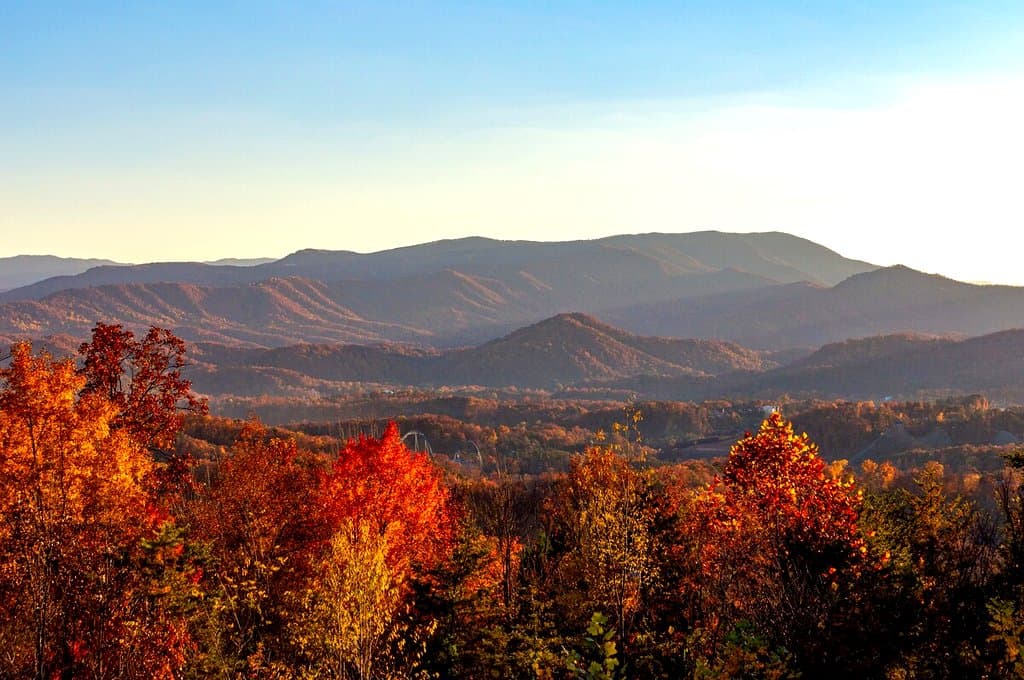
Season by season, here is how it really plays: spring brings wildflowers from late March through April, with the Spring Wildflower Pilgrimage drawing serious botanists to Gatlinburg. Summer is green, humid, and crowded, but the higher elevations stay comfortable and the swimming holes are the point. Fall is the headline act, with color moving down from the high ridges in early October and reaching the valleys by late October into early November. If you are chasing color, our guide to when leaves peak around Pigeon Forge tracks the elevation timing.
Winter is the locals' secret. The crowds evaporate, the bare trees open views that are completely hidden in summer, and you can have an overlook to yourself on a Tuesday in January. The tradeoff is closures: Kuwohi Road, Roaring Fork, and Balsam Mountain all shut down, and Newfound Gap Road closes temporarily during snow and ice.
On weekly rhythm, Sunday through Thursday is dramatically quieter than Friday and Saturday inside the park, which is one reason our default minimum stay is three nights. A three-night window lets you put a full park day on a weekday instead of fighting the weekend surge.
One more timing note that saves marriages: the drive from Pigeon Forge to the Cades Cove parking area is around 50 minutes via Townsend on a clear morning and can exceed 90 minutes on a peak fall Saturday. Build that in. Pack breakfast. Eat it at the Cades Cove orientation shelter while the fog burns off the meadow.
Frequently Asked Questions
What not to miss in the Smoky Mountains?
If you only have one full day, do Cades Cove at sunrise and Newfound Gap Road in the afternoon. Those two cover the park's two signature experiences: the historic valley with its wildlife, and the high-elevation spruce-fir forest that exists nowhere else this far south. Add Laurel Falls if you have energy left, since it is on the way back toward Gatlinburg.
What is the main attraction of the Great Smoky Mountains?
Cades Cove is the most visited single destination in the park, drawing roughly two million people a year to its eleven-mile loop. Kuwohi runs a close second for its summit view and its status as the highest point in Tennessee. Between the two, Cades Cove gets the nod because it combines scenery, wildlife, and preserved mountain history in one circuit.
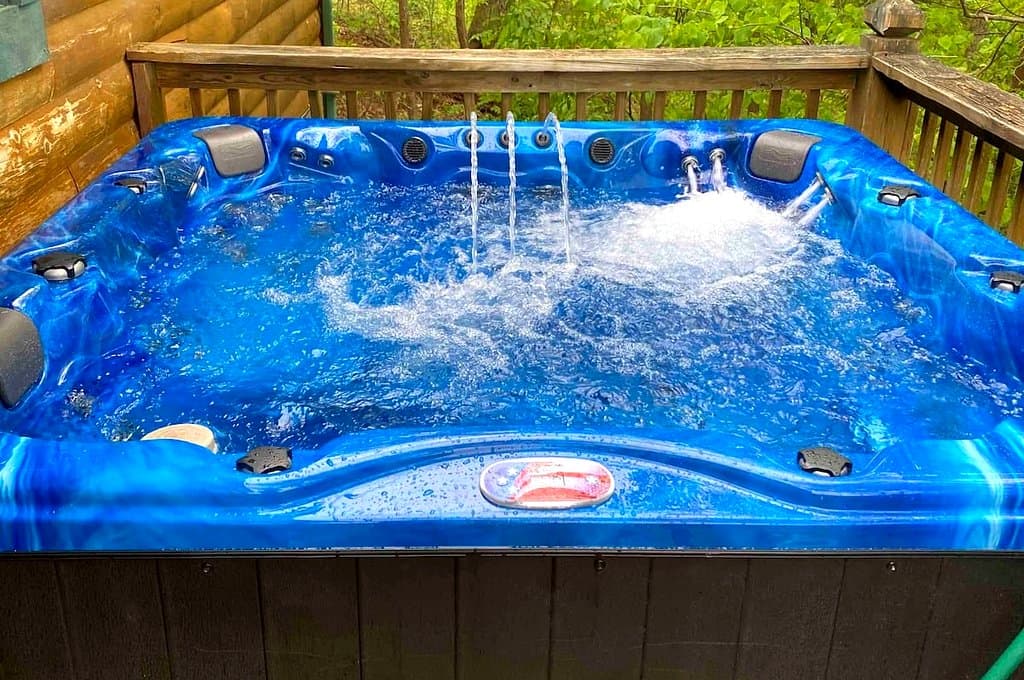
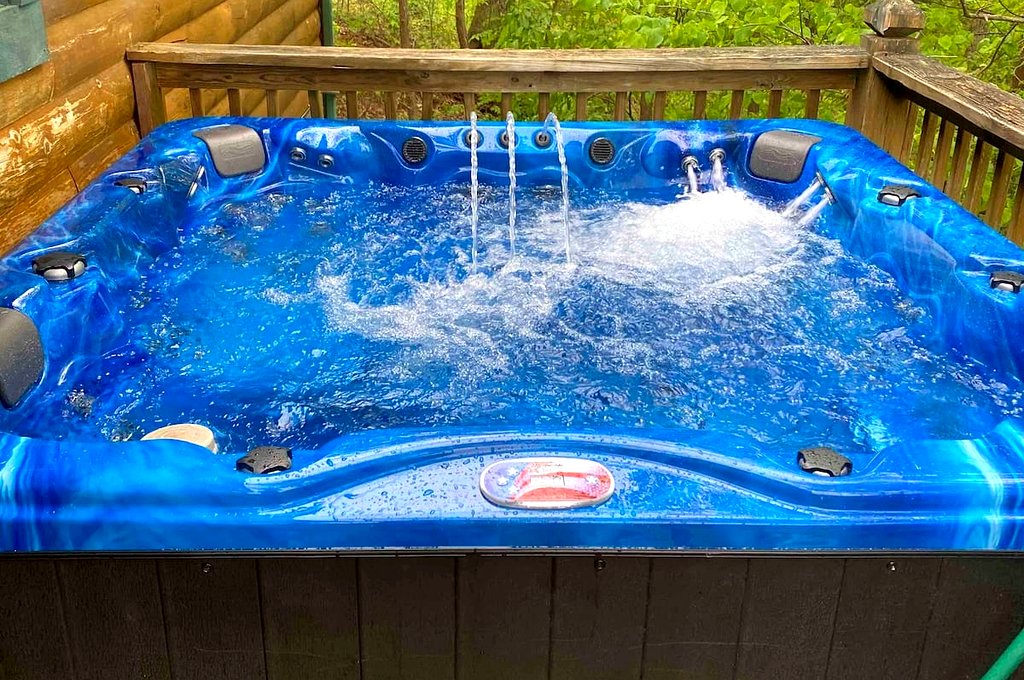 56-Jet Luxury SpaBluetooth, subwoofer, LED waterfall.
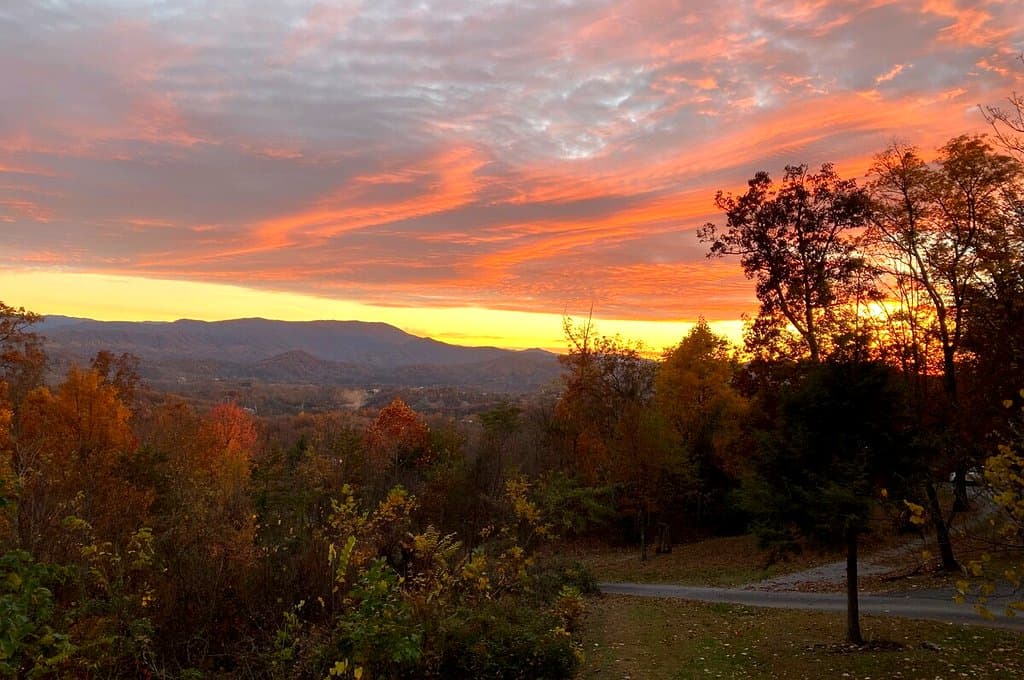
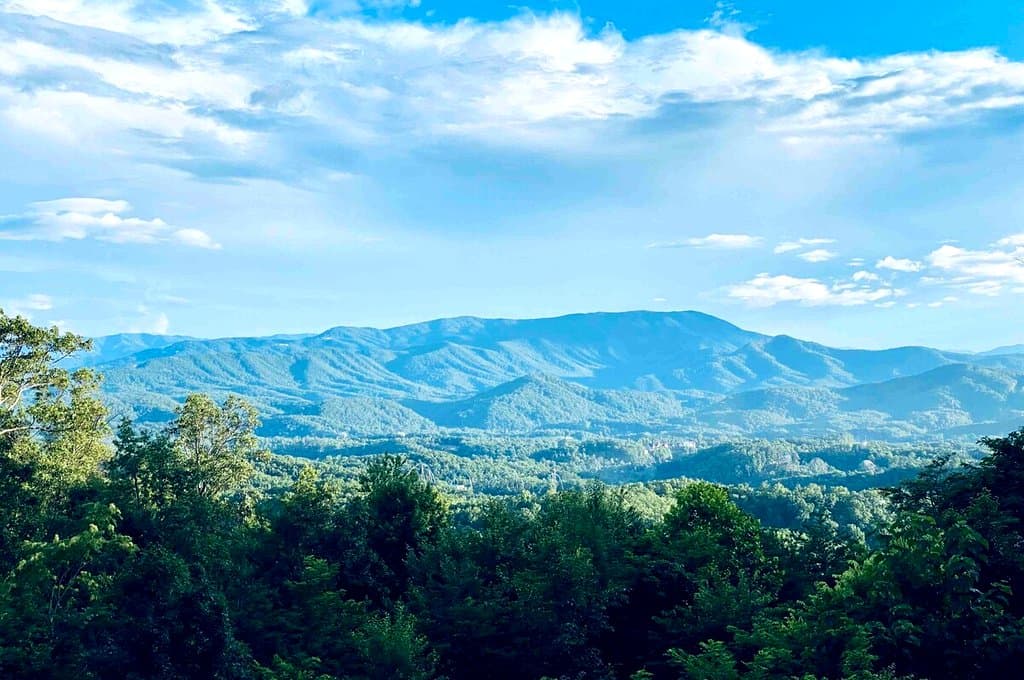
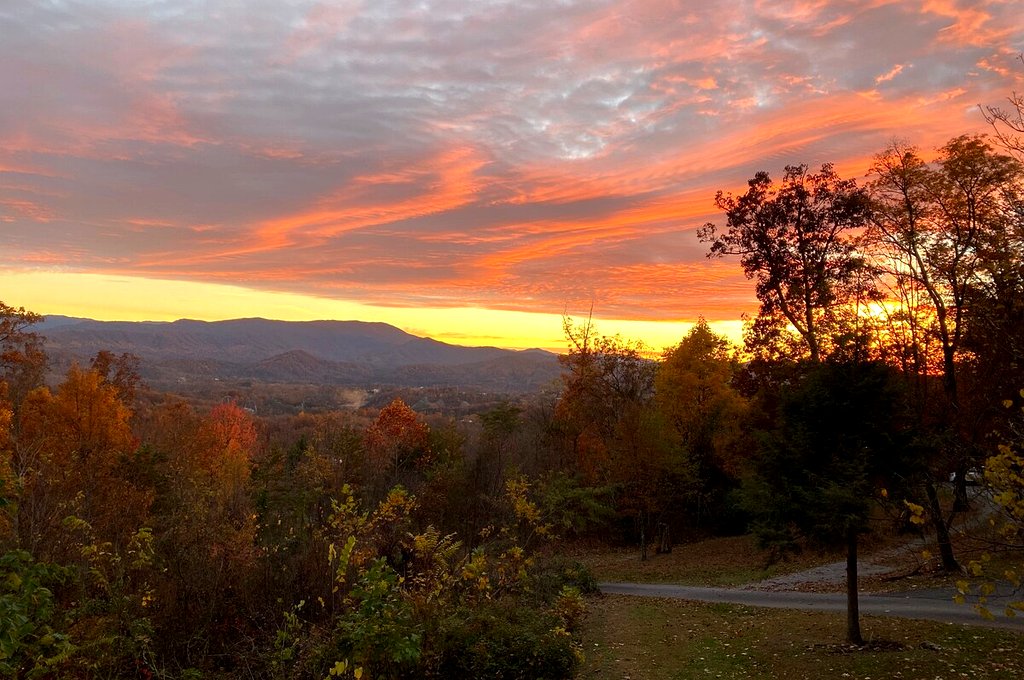 Mountain-View EveningsWatch the evening light change over the mountain ridges.
 Game RoomPool table, arcade, darts, Xbox.
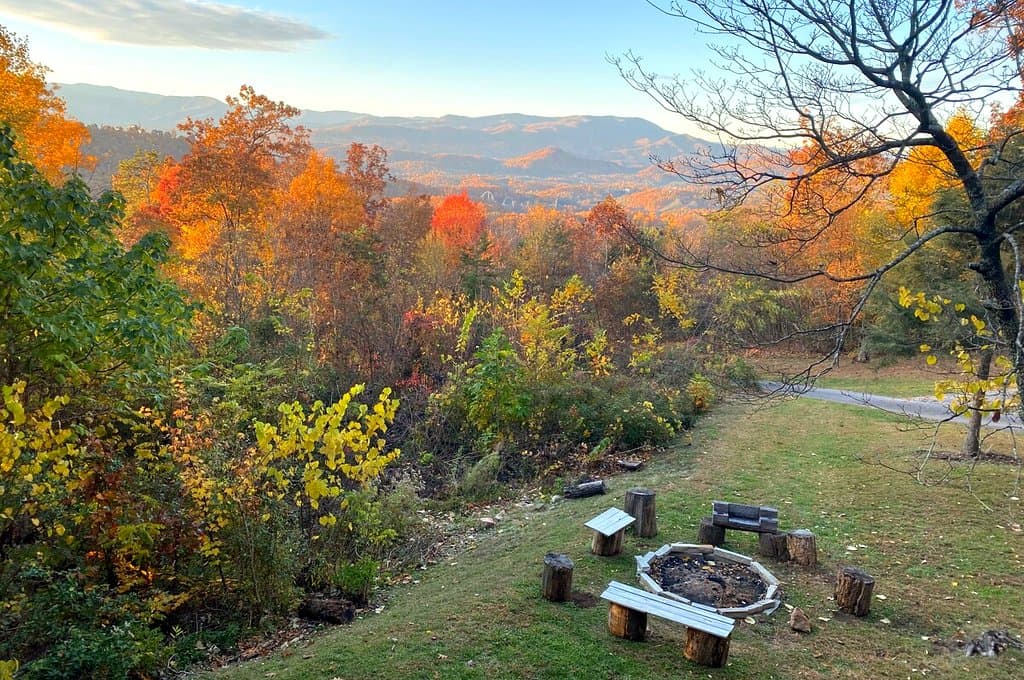
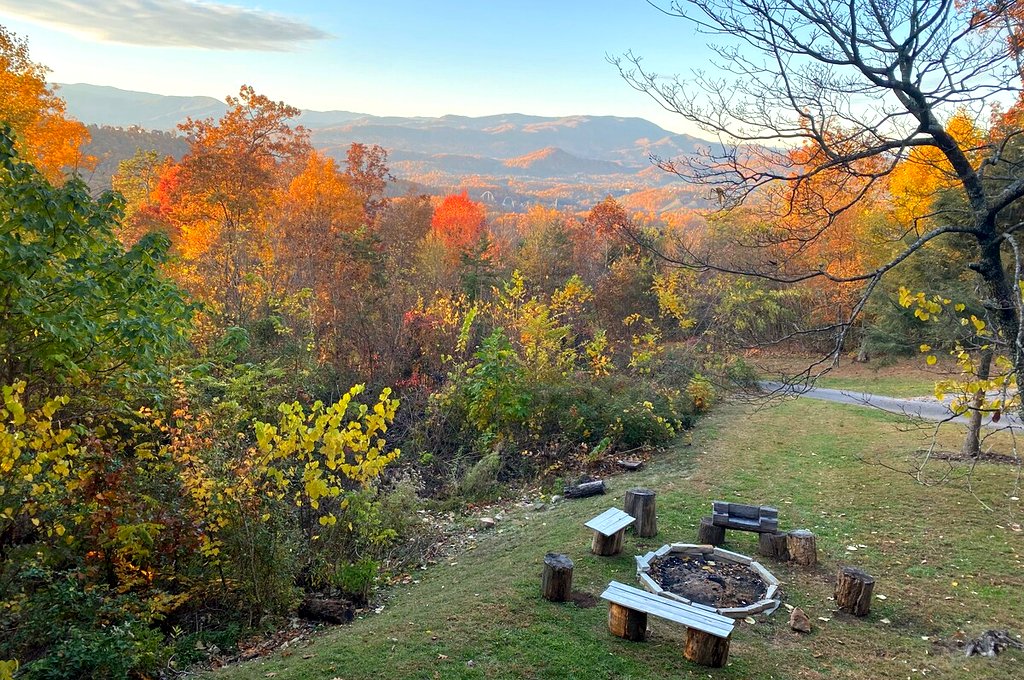 Mountain-View Fire PitS'mores with a ridgeline backdrop.
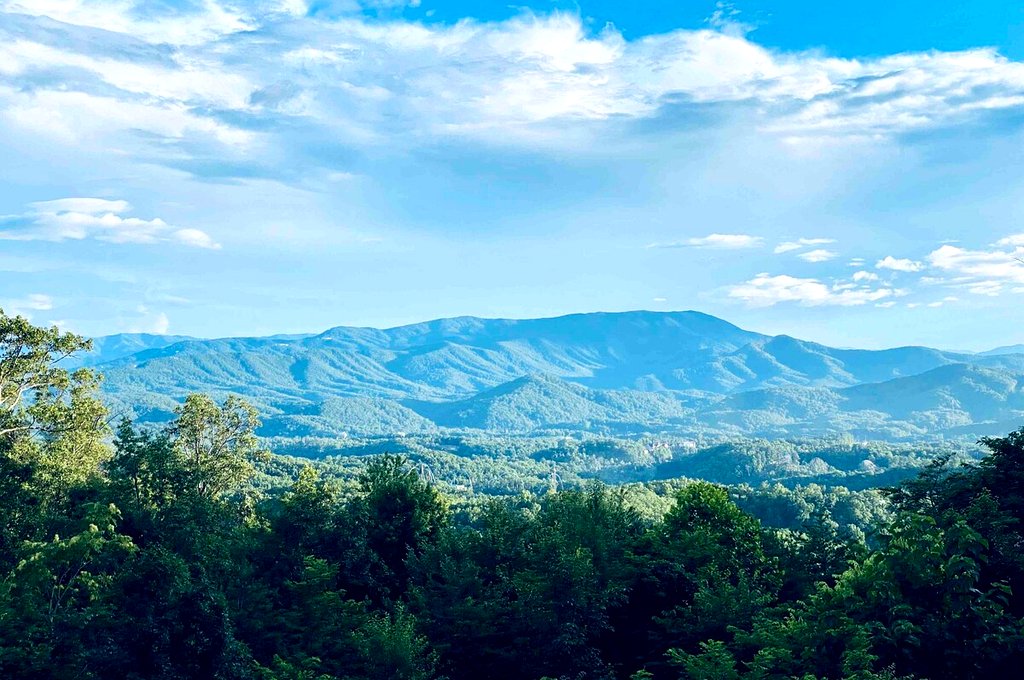 One Private AcreNo neighbors on three sides, 800 forest acres around you.
What are the top 5 things to do in Pigeon Forge?
Dollywood leads easily, with The Island at Pigeon Forge, the dinner show circuit, go-kart and mini-golf strips along the Parkway, and the Old Mill district in Pigeon Forge rounding out the list. Our longer look at the most fun thing to do in Pigeon Forge ranks them by age group. The town works well as a base precisely because it pairs easy park access with plenty to do after dark.
What to avoid in Pigeon Forge?
Avoid the Parkway between 4 p.m. and 7 p.m. on any Friday or Saturday in peak season. Avoid planning a park day that starts after 9 a.m. during October. And avoid booking a cabin based on view photos alone without checking the road grade and the drive time to a main highway, which is the single most common regret I hear.
Are there unique things to do in the Smoky Mountains for adults?
Plenty. Fly fishing the Little River, the Elkmont firefly lottery, the quieter Greenbrier and Cosby sections of the park, and sunrise at Clingmans Dome Road overlooks all skew toward adults who want solitude over spectacle. The Foothills Parkway West out of Walland is another one, an 18-mile ridge-top drive with overlooks that most visitors never find.
Making the Park the Center of the Trip
The guests who leave happiest are the ones who treated the national park as the main event and everything else as the bonus. They went into the park on two separate mornings instead of one long exhausting day. They came back midday, swam or napped, grilled dinner on the deck, and watched the ridge go purple while the kids argued about bears.
That rhythm requires a base that is genuinely close to both worlds. Two bedrooms and two bathrooms keep six people from stacking up at one sink before a 6:30 departure. Two king beds and three queen fold-out couches mean multigenerational groups fit without anybody drawing the short straw. A propane grill on the south-facing deck means dinner does not require getting back in the car. And one secluded acre with no neighbors on three sides means that when you get back from Cades Cove, the quiet is real. Dogs are welcome too, up to two, though the outdoor dog area is unfenced so leashes stay on.
The thing nobody tells you about the Smokies is that the mountains are patient. The fog comes back every morning. The elk show up at Oconaluftee at dusk like they have an appointment. Your only job is to be out the door early enough to see it.
If you want sunrise at Cades Cove without a 45-minute mountain road before the park road even starts, check availability for a three-night stay on our quiet acre four minutes from Dollywood.
Start Planning Your Trip