 Thistle Britches
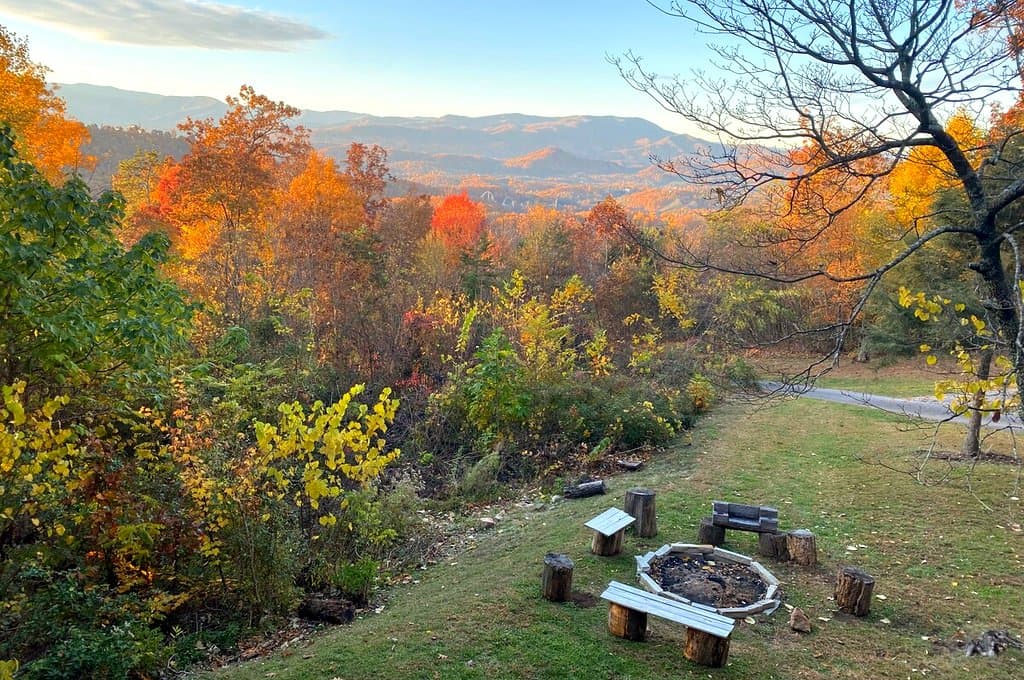
It is a Tuesday morning, somewhere just after seven. The ridge above Dollywood is still holding a low band of fog, the kind that softens the sound of everything. Coffee is on the deck rail, the laptop is open on the table inside, and the only thing on the calendar before nine is a stretch and a slow walk down to the fire pit to check yesterday's ashes. No commute. No fluorescent ceiling. Just a wraparound deck, a hot tub still warm from last night, and the kind of mountain quiet that resets your nervous system before the first standup.
This is the version of remote work people picture when they book a cabin in the Pigeon Forge area. The problem is that the picture only holds up if the hospitality behind it is real. The internet has to actually move. The chair has to actually work for eight hours. The neighbors cannot be twelve feet away with a leaf blower. After hosting a lot of work-from-cabin guests at the property, I have a pretty clear sense of what separates a productive week from a frustrating one. Here is the honest setup.
Key Takeaways
- Fiber internet, not "high speed," is the single biggest variable in a successful remote-work cabin stay.
- Privacy matters more than square footage. A cabin stacked next to three others will leak noise into every call.
- The right hospitality means the host has already solved the small frustrations before you arrive.
- A real second space, deck, game room, fire pit, prevents cabin fever during a five day workweek.
- Book the cabin around your meeting calendar, not the other way around. Quiet hours and time zones matter.
Why most Pigeon Forge cabins disappoint remote workers
The pain point is almost always the same, and it shows up around Tuesday afternoon. The view sold the booking. The WiFi did not deliver. Most cabin listings in the area still describe their connection as "high speed," which in mountain terms can mean anything from a strained satellite signal to a shared cable line that buckles the moment a second guest opens Netflix. You join a video call, your camera freezes mid sentence, and you spend the next ten minutes apologizing to a client while tethering off your phone.
The second disappointment is privacy. A lot of properties marketed as "secluded" are actually part of dense rental clusters where cabins sit shoulder to shoulder along a shared switchback road. You hear the hot tub conversation next door at eleven at night. You hear the ATV at seven in the morning. None of that registers on a weekend trip, but it absolutely registers when you are trying to write, think, or take a call. When you are scouting a cabin for work, look for listings that explicitly mention acreage, tree buffer, and distance from the next structure. The phrase "on its own acre" is doing real work in a description.
The third one is more subtle. It is the lack of a true second space. A cabin with one usable room becomes claustrophobic by day three. You need somewhere to close the laptop and stop thinking about work. A wraparound deck with a real view counts. So does a downstairs game room with a pool table and an arcade, especially if anyone traveled with you. Without that decompression zone, the cabin starts feeling like a slightly nicer hotel room with a worse commute to the bathroom.
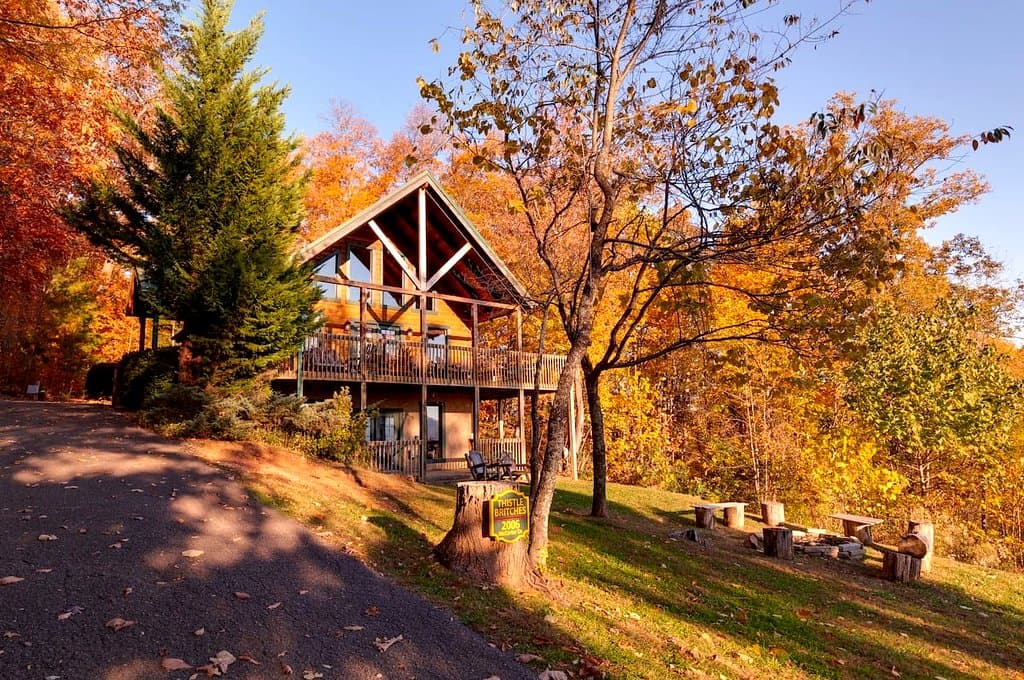
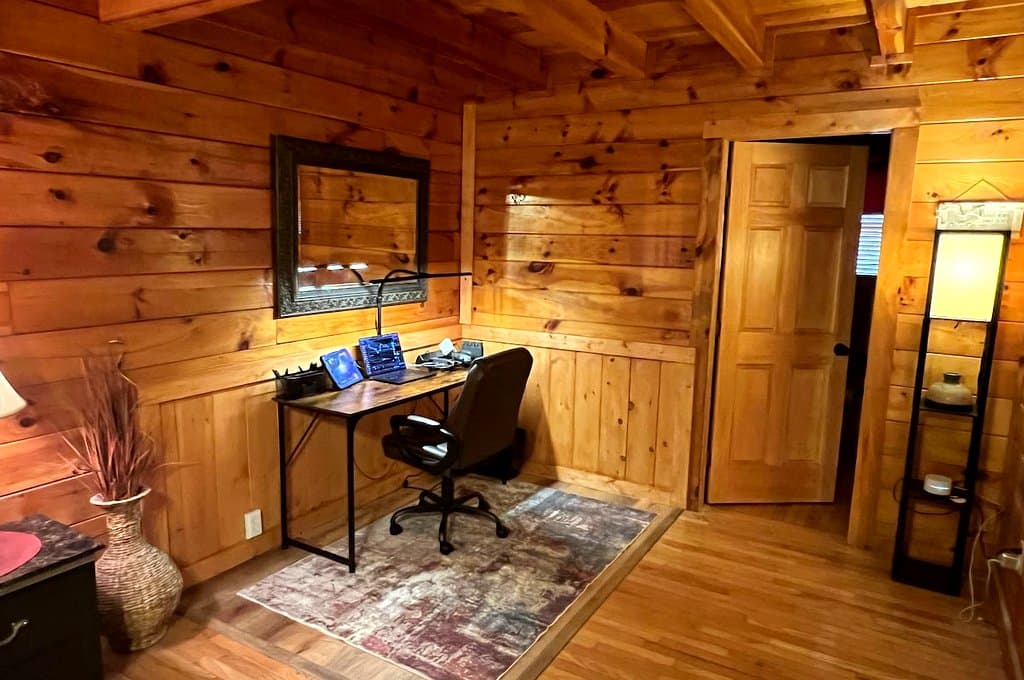
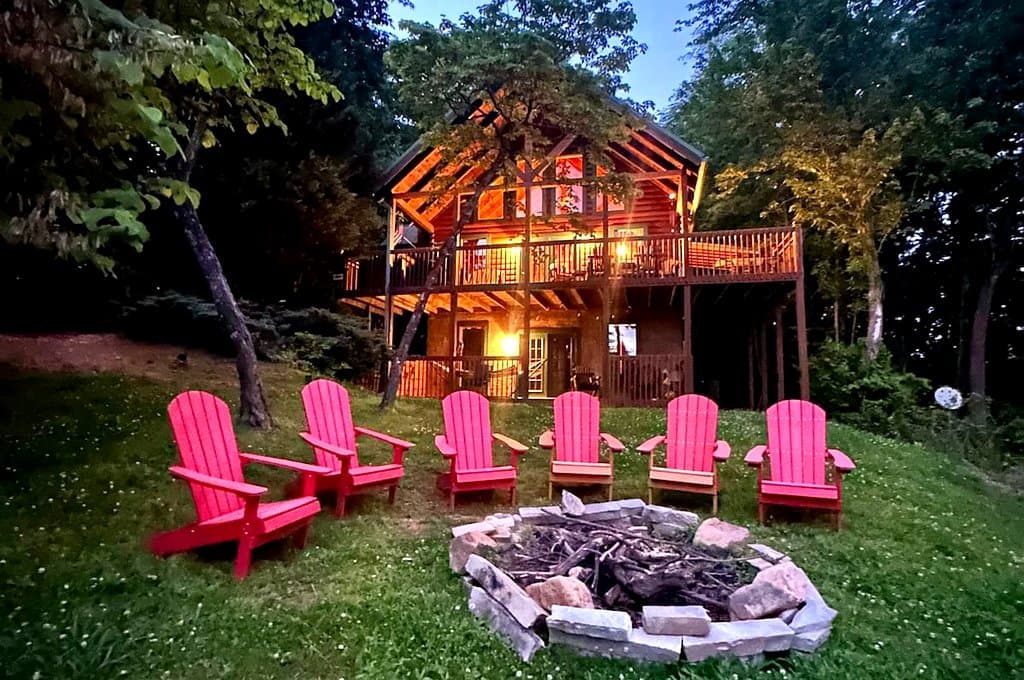
Actual photo of Thistle Britches, a private mountain cabin above Dollywood.
The internet question, answered honestly
Fiber is the answer. Not "WiFi available." Not "streaming friendly." Fiber. The cabin runs on a 321 Mbps fiber line, which is fast enough to host a video call upstairs while someone streams 4K downstairs and a third person pushes a large file to a client folder. That is not a flex, it is the floor for modern remote work. If a listing will not tell you the megabit number in writing, assume it is slow.
A few practical notes from hosting actual work travelers. Test the connection in the first ten minutes after check in, do not wait until your nine a.m. Monday meeting. Run a speed test in the room you plan to work from, not the kitchen where the router lives. If you are doing anything bandwidth heavy, hardwire when possible. Mountain WiFi can dip during a strong thunderstorm, which is a Smokies reality more than a cabin problem, so build a small buffer into your day on stormy afternoons.
What real hospitality looks like for a workweek guest
Weekend hospitality is about a welcome basket and clean towels. Workweek hospitality is something else. It is the small operational stuff a host has already solved so you do not lose a Tuesday afternoon to logistics. The trash schedule is written down. The grocery delivery instructions are clear. The thermostat is labeled. The fastest route down to the Pigeon Forge Parkway, the one that avoids the worst of the traffic light cluster, is in the welcome guide. There is a real human you can text if something is off, not a ticket queue.
That kind of hospitality is the difference between a cabin you survive in for five days and one you actually want to extend. Guests routinely mention the host by name in their reviews here, which I read as a quiet signal that the personal touch shows up where it counts. One recent review called the property "the most private quiet cabin we've ever rented," and privacy on a workweek means something different than it does on a romantic weekend. It means you can pace the deck during a tough call without an audience. It means the dog can sit outside with you while you write. If you are bringing a partner along for a workation, the slower romantic version of a cabin stay still applies on the evenings and weekends, you just have to defend the working hours.
Designing your hospitality based workday in the cabin
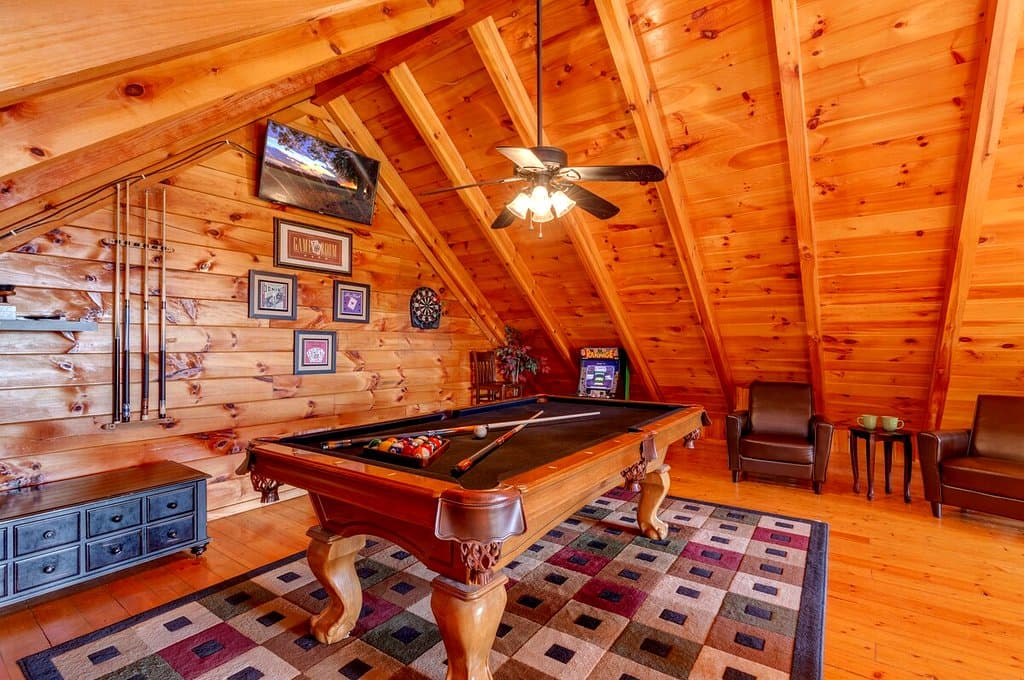
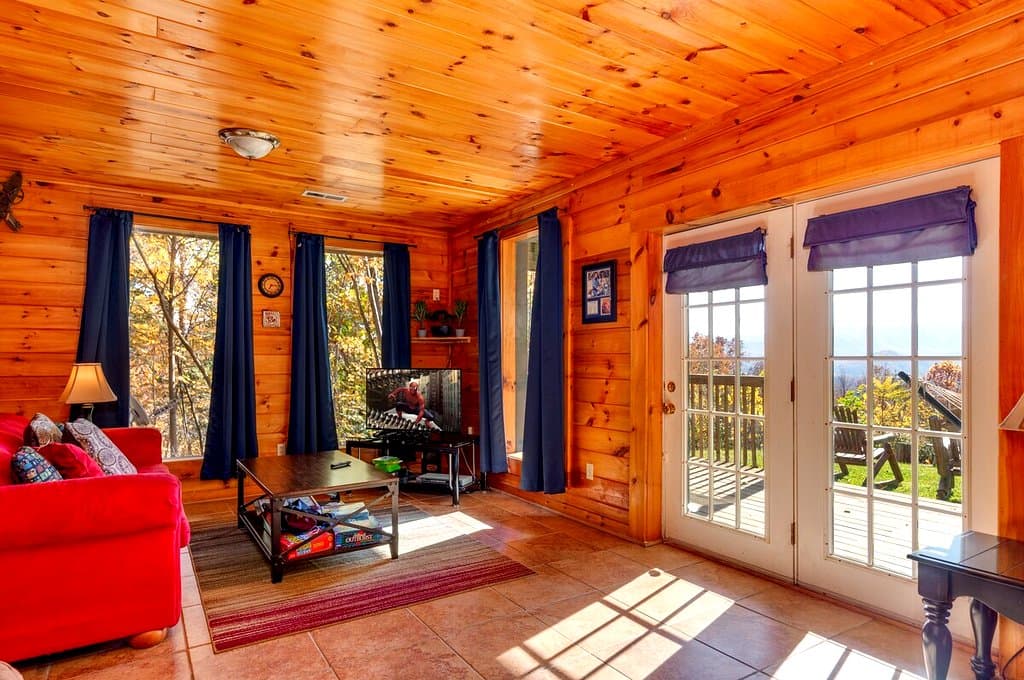
The cabin layout matters more than people expect. Three floors gives you natural separation, which is the secret to working remotely without driving the people you traveled with crazy. Take the floor with the best light and the door that closes. Use the main level for meals and breaks. Send the kids or the dogs or the partner to the floor with the game room when you have back to back calls. A pool table, an arcade machine, and a stash of video games is the most underrated remote work amenity in the Smokies, because it absorbs everyone else's restlessness during your meeting block.
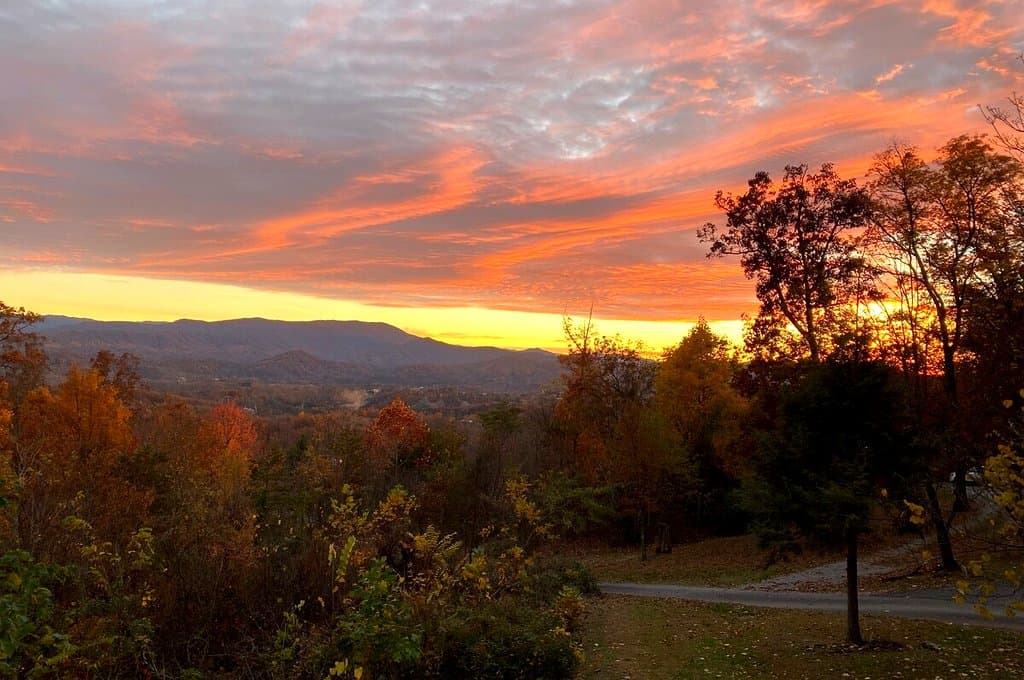
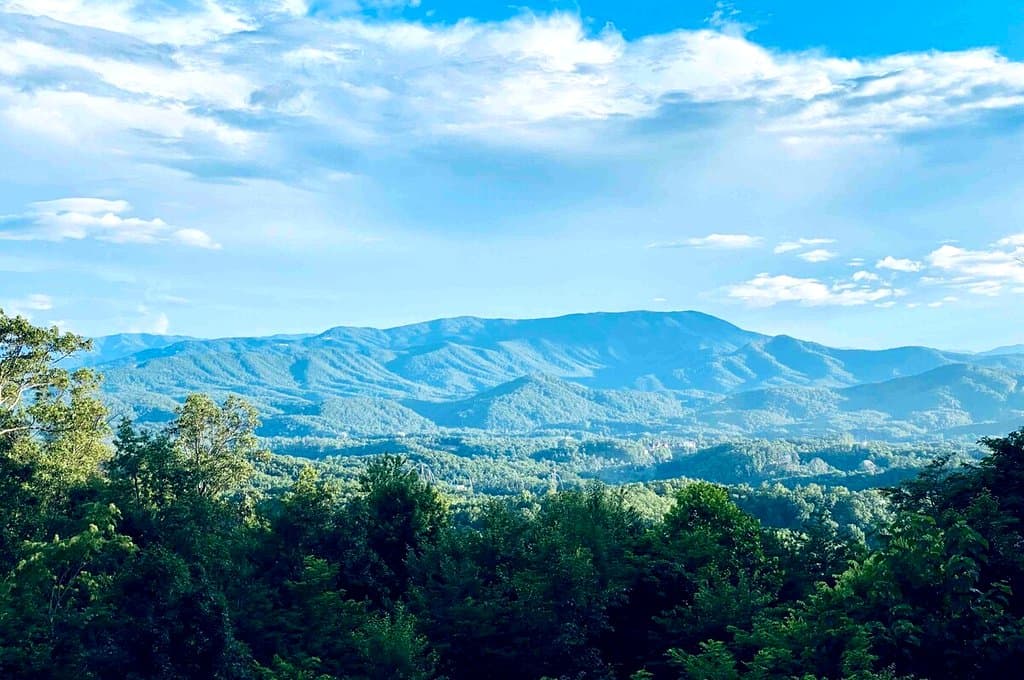
Build the day around the light. Morning fog usually lifts off the east side of the Smokies by mid morning, and the deck becomes the best office in the house from about ten to one. Move outside with the laptop, take a real lunch, walk down to the fire pit or do a short loop on the acre. In the late afternoon, the light gets warm and low across the ridge toward Dollywood, which is the cue to wrap the workday. If you time it right, you finish your last email about twenty minutes before the nightly fireworks and drone show start lighting up the valley below the deck. That is the closing bell. It works better than any productivity app.
If a real fiber line, a wraparound deck, and a quiet acre sound like the office you have been needing, the cabin books up fast for workweek stays. Lock in your dates before the season fills.
Book Your StayThe weekend on either side of your workweek
The smartest workation guests I host do not treat the trip as five days of work. They treat it as a Friday to Friday with two real weekends bolted on. That way the cabin pays for itself in vacation time, not just in productivity. The Saturday you arrive can be a slow grocery run on the Pigeon Forge Parkway and a hot tub soak. The Sunday before your first Monday call can be a short hike at the Sugarlands entrance to Great Smoky Mountains National Park, which is about a half hour drive south through Gatlinburg.
The middle weekend, if you stay long enough to have one, is where you actually rest. That is the time to plan a realistic Dollywood day or knock out a couple of the honest local things to do that do not show up in the brochure stack at the welcome center. Keep one day completely unplanned. After a real workweek in the mountains, you will want it.
Frequently asked questions
Is the WiFi actually fast enough for video calls and screen sharing?
Yes. The cabin runs on a 321 Mbps fiber connection, which comfortably handles multiple simultaneous video calls, large file uploads, and 4K streaming at the same time. That is well above what most cabins in the area offer, and it is the single biggest reason workweek guests rebook.
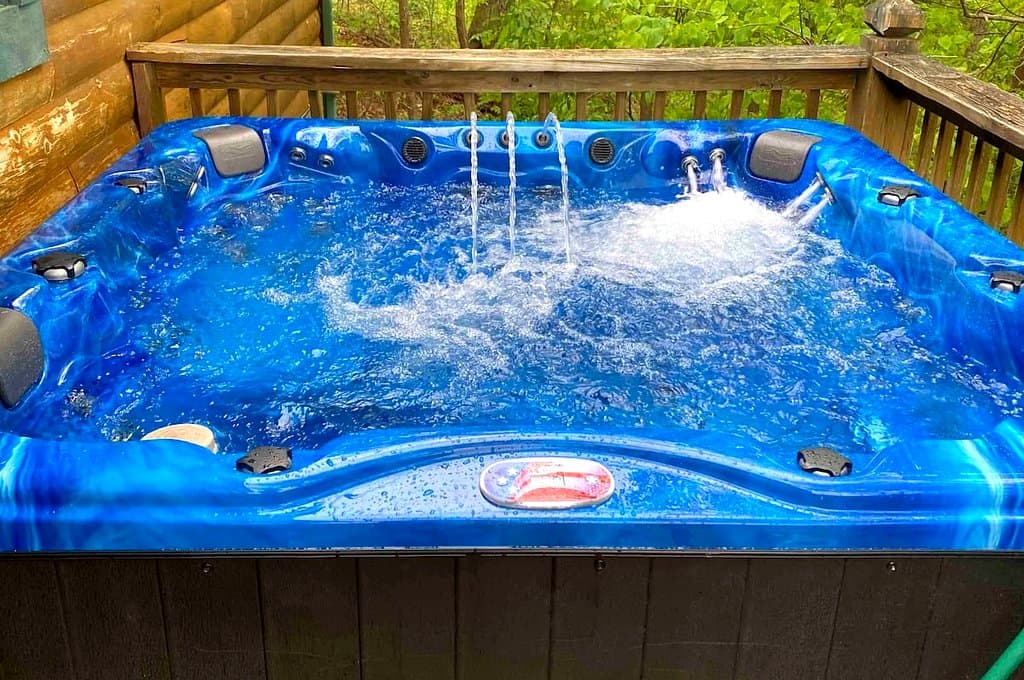
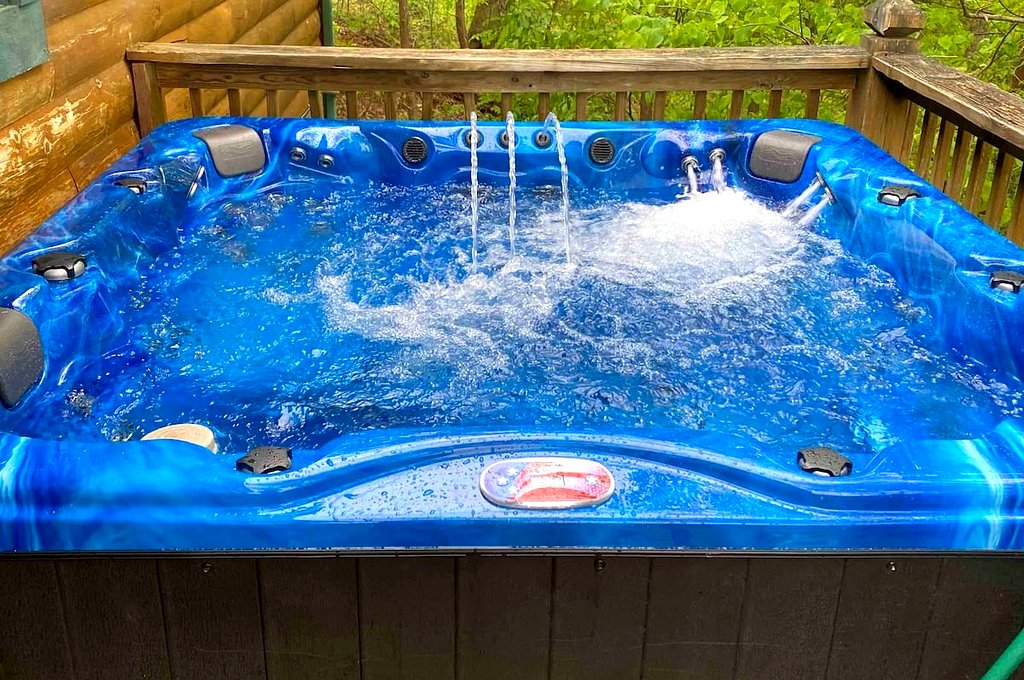 56-Jet Luxury SpaBluetooth, subwoofer, LED waterfall.
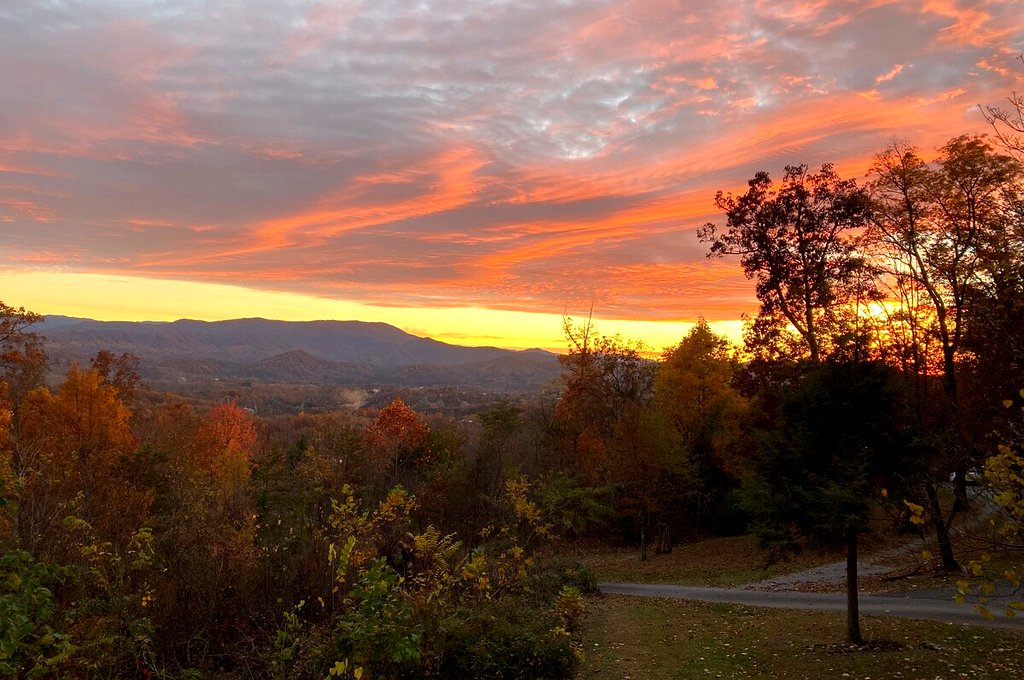 Mountain-View EveningsWatch the evening light change over the mountain ridges.
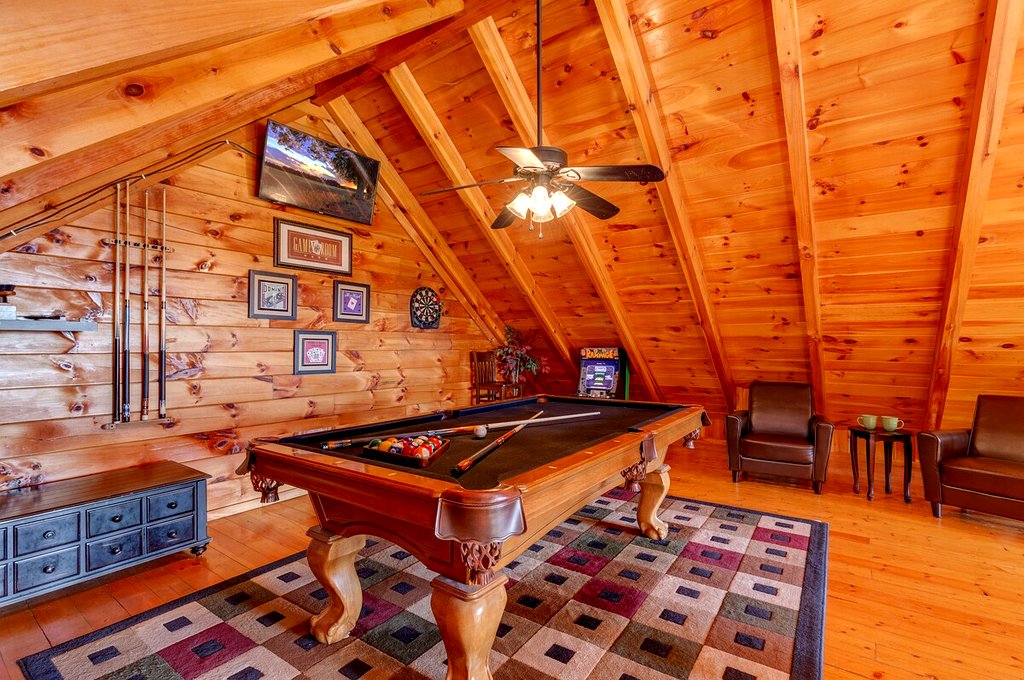 Game RoomPool table, arcade, darts, Xbox.
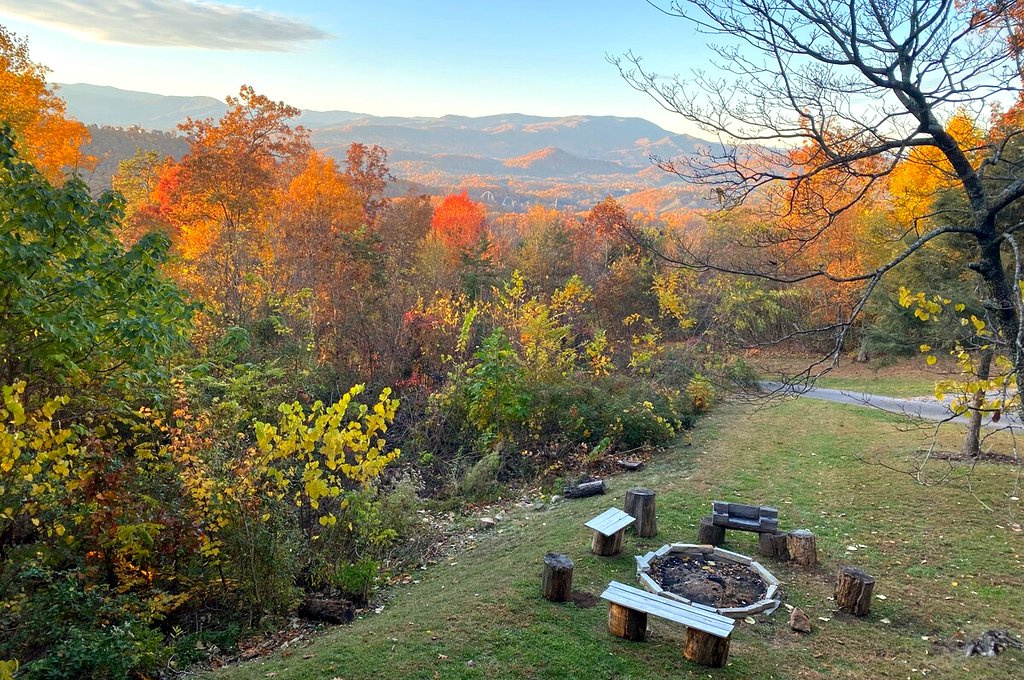 Mountain-View Fire PitS'mores with a ridgeline backdrop.
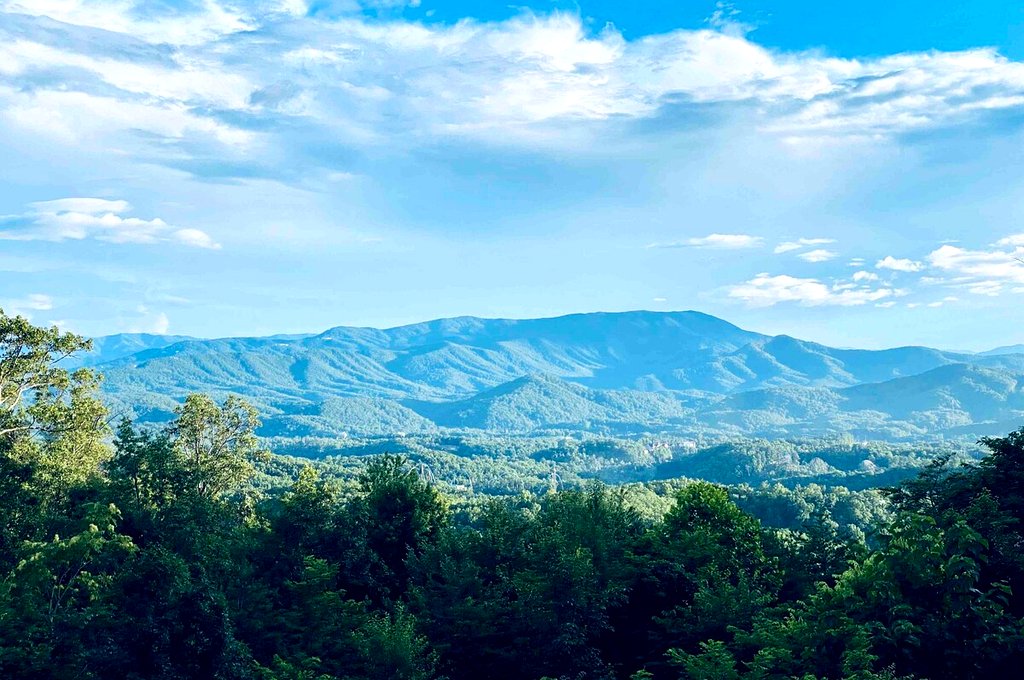 One Private AcreNo neighbors on three sides, 800 forest acres around you.
Is it quiet enough to take calls without background noise?
The property sits on a secluded acre above Dollywood, not in a stacked rental cluster, so you are not picking up neighbor conversation or road noise on a microphone. The most common background sound on a call from the deck is birdsong, and most clients find that charming rather than distracting.
Can I bring my dog along for a workweek stay?
Pets are welcome, with a flat per stay pet fee, and the secluded acre means the dog can actually be off the couch and outside while you work. That solves the kennel guilt problem that keeps a lot of remote workers from extending a trip. If you want a full day plan around the dog, the pet friendly cabin day plan has the practical details.
What is the closest grocery and coffee situation?
You are about five minutes from the Pigeon Forge Parkway, which has full grocery, a few good coffee stops, and reliable takeout for the nights you do not feel like cooking. Most workweek guests do one real grocery run on arrival day and a smaller refill mid week. The full stocked kitchen and propane grill on the deck cover the rest.
What about rainy days when the mountains are socked in?
This is where the game room earns its keep. A pool table, arcade machine, video games, and a gas fireplace upstairs mean nobody is staring at the wall when the fog rolls in. For a deeper plan, the rainy day plan that starts at the cabin and ends in town is a good template.
The honest bottom line
Remote work from a cabin in the Pigeon Forge area is one of the best decisions you can make for a slow burned out month, but only if the infrastructure underneath it is real. The view sells the trip. The fiber, the privacy, the second spaces, and the hospitality decide whether you actually want to do it again. According to the general body of research on remote work, environment quality is one of the strongest predictors of sustained focus, and a cabin with the right setup beats almost any home office for a week or two at a time. Pick the cabin like you would pick an office lease. Then enjoy the fact that this one happens to have a hot tub.
If you want a workweek that actually leaves you rested instead of more tired, with fiber that holds up and a deck that closes the day better than any commute, the cabin is ready when you are.
Start Planning Your Trip