 Thistle Britches
Early summer up here has a particular smell to it. Honeysuckle along the back roads, warm cedar off the deck rail, and that green, almost minty note the Smokies put out after a good afternoon rain. I host guests from our cabin perched above Dollywood, on a secluded acre off the Sevierville side, and this is hands down my favorite stretch of the year to send people out exploring. The crowds have not fully landed yet, the rivers are running cold and clear, and the ridgelines are still that electric new-leaf green before August dust settles in.
The trouble is, most early summer guides read like a copy-paste of the Parkway billboard map. Go-karts, dinner shows, repeat. That is fine for a rainy Tuesday, but it misses what early June and the first week of July actually offer near Pigeon Forge. Real hospitality, the kind a cabin host owes you, means pointing at the stuff you would never find on a brochure. Below is what I tell guests when they ask me, over coffee on the deck, what they should actually do.
Key Takeaways
- Early summer means cooler mornings, warm afternoons, and the best river swimming of the year.
- Synchronous fireflies peak in early June and are worth planning around, even without a lottery permit.
- The smartest itineraries pair one big-ticket day (Dollywood, a long hike) with one slow cabin day.
- Afternoon thunderstorms are normal, plan outdoor stuff before 2 p.m. and have a rainy-day backup.
- The right cabin turns travel days into part of the trip, not a chore between attractions.
Start With the River, Not the Parkway
If you only do one thing in early summer near Pigeon Forge, get your feet in cold mountain water before lunch. The Little Pigeon River and its tributaries run their best in June. Snowmelt is long gone, but the rains keep the pools full and the rocks scrubbed clean. The temperature sits in that perfect range where it shocks you for ten seconds, then feels like the best idea you have ever had.
My favorite easy water access is the Greenbrier section of Great Smoky Mountains National Park, about thirty-five minutes from the cabin through Pittman Center. Pull off at any of the small lots along the Little Pigeon's Middle Prong and you will find swimming holes that locals have been using for generations. Bring water shoes, the river rocks are slick. Bring a dry bag for your phone. And go early, the good pull-offs fill by ten on a Saturday.
For something closer, the Townsend Wye is the famous spot but it is on the far side of the park and the parking is a circus by mid-morning. Honestly, I send guests to Metcalf Bottoms or the smaller pull-offs along Little River Road instead. Same water, half the people. Pack lunch, a cheap pop-up shade, and treat it as the whole morning, not a stop.
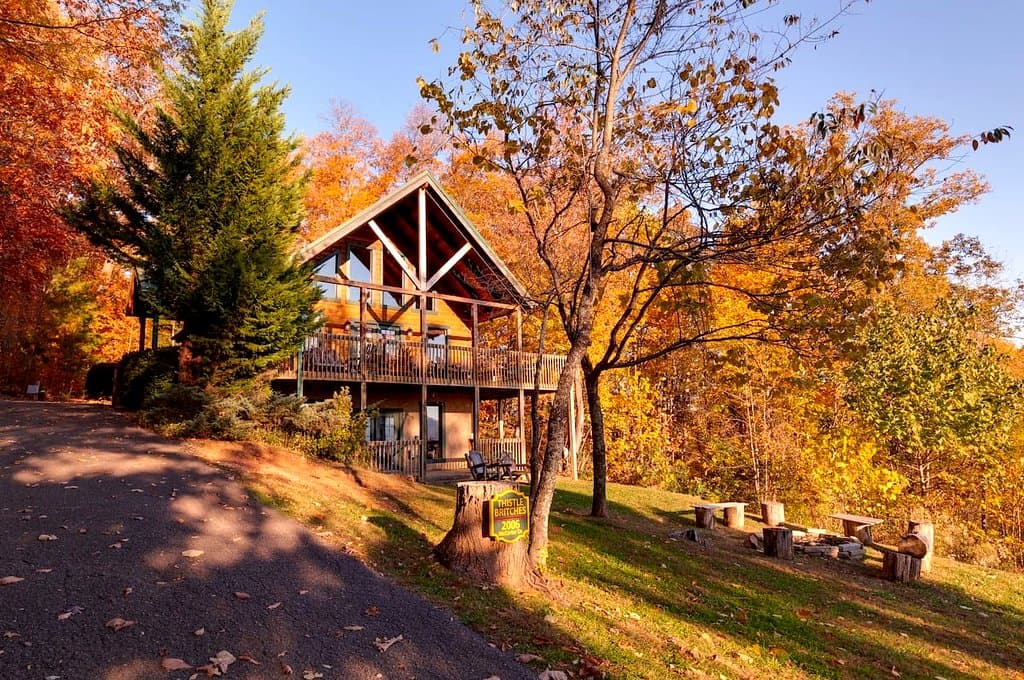
Actual photo of Thistle Britches, a private mountain cabin above Dollywood.
The Firefly Window Is Real, and You Do Not Need the Lottery
The synchronous firefly show at Elkmont gets all the headlines, and yes, the National Park Service runs a permit lottery for it. If you did not win, do not feel locked out. The same species (Photinus carolinus) lights up forest hollows all across this area in late May through mid-June. You just have to know where to stand and when to be quiet.
Any dark, damp, hardwood-bottom holler within the foothills can produce them. Cosby Campground area, the woods around the Greenbrier entrance, even the back edges of certain cabin properties on quiet ridges. The trick is being in place by 9:15 p.m., killing your headlamp, and letting your eyes adjust for a solid fifteen minutes. They start as scattered sparks, then sync into waves. It is one of those things you do not forget.
If you want a deeper field-guide breakdown of timing and viewing etiquette, I put one together in this June firefly guide. The short version: red-filter your flashlight, do not catch them, and pick a property with real darkness around it. Light pollution kills the show, which is why staying somewhere truly secluded matters more than people realize.
The Pain Point: Early Summer Crowds, Heat, and the Hospitality Gap
Here is where most early summer Pigeon Forge trips go sideways. By mid-June, the Parkway traffic is a slow grind from about 11 a.m. to 9 p.m. The afternoons hit the upper 80s with thick humidity. Thunderstorms roll in around 3 p.m. on cue. And the typical cabin rental, the kind stacked four-deep in a subdivision with a deck pointing at someone else's siding, gives you nowhere to actually decompress between outings.
That is the gap. Most rentals sell themselves on the hot tub photo and call it hospitality. Real hospitality in early summer means the property itself has to do work for you. You need a deck that catches the evening breeze when you are too cooked to drive back into town. You need indoor backup for the afternoon storm. You need WiFi that actually works if one parent has to clock a couple of hours of email. And you need enough separation from neighbors that the kids can be loud about a pool game and nobody bangs on a wall.
When guests ask me what to look for in a cabin for an early summer trip, I tell them four things. A real view, not a tree-blocked one. A genuine game room, not a card table in a basement. Fiber internet, not whatever DSL the listing promises. And privacy, measurable in acres, not adjectives. Our cabin checks those boxes because I built it to, but the point stands no matter where you book. Without those, you are just paying to sleep between traffic jams.
If you want a front-row deck for the Dollywood fireworks and drone show without fighting the parking lot, check our open dates for early summer.
Book Your StayThe Day Plan I Actually Recommend
Here is the rhythm that works in early summer, repeated almost word for word to every guest who asks. Mornings outside, afternoons slow, evenings out again once the heat breaks. Try to fight that, and the mountains will win.
Morning: Move Early
Out the door by 8 a.m. for trails or river. The Roaring Fork Motor Nature Trail just past Gatlinburg is gorgeous before the tour buses. Grotto Falls is short, shaded, and ends at a waterfall you can walk behind. Andrews Bald is a longer pull but the open-summit views are some of the best in the East. If you want a no-elevation option, the Gatlinburg Trail follows the river and allows leashed dogs, which is unusual for the park.
Midday: Eat, Cool Off, Reset
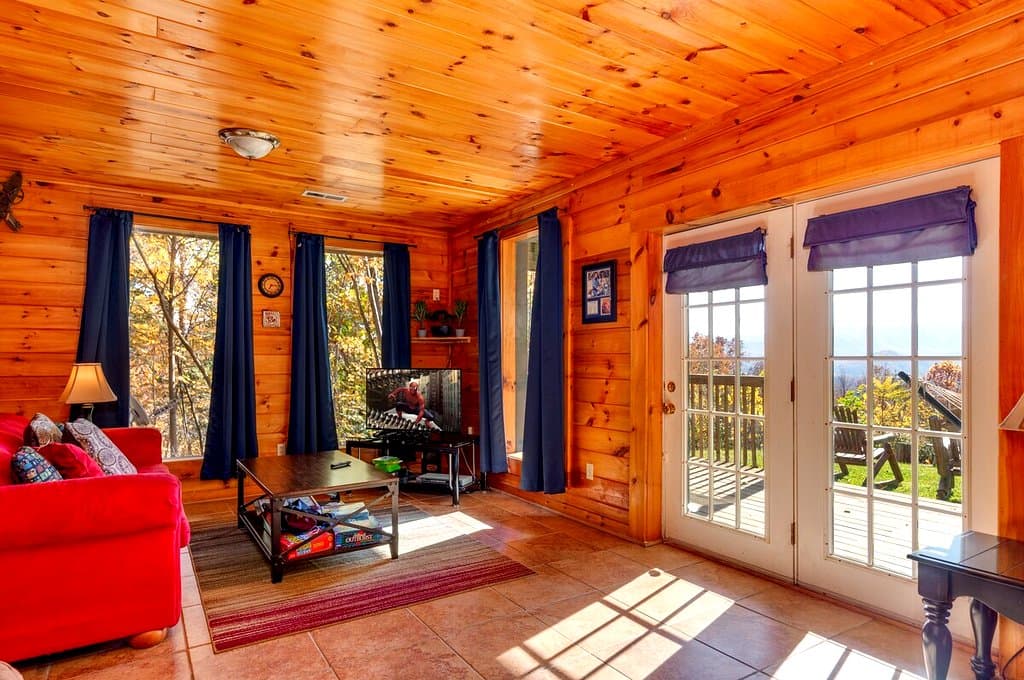
Come back to the cabin between noon and four. This is the hot, sticky, storm-prone window. Grill on the deck, throw the kids in the game room, take a real nap. If you skip this and try to push through, you will be cranky by dinner and you will have spent a hundred dollars on lukewarm attractions you do not even remember. The midday reset is the whole secret to a good June trip.
Late Afternoon to Evening: Town or Park
By 5 p.m. the storms have usually passed and the light gets soft. This is the right window for Dollywood, downtown Gatlinburg, or a drive up to Newfound Gap for the sunset. Dollywood specifically runs late hours in summer and the last three hours of the day are the best ones, shorter lines, cooler temps, and the nightly drone show. If you would rather skip the gate price, a good east-facing deck above the park catches the fireworks and drones for free. Guests routinely tell me it is the part of the trip they remember most.
Night: Slow It Down
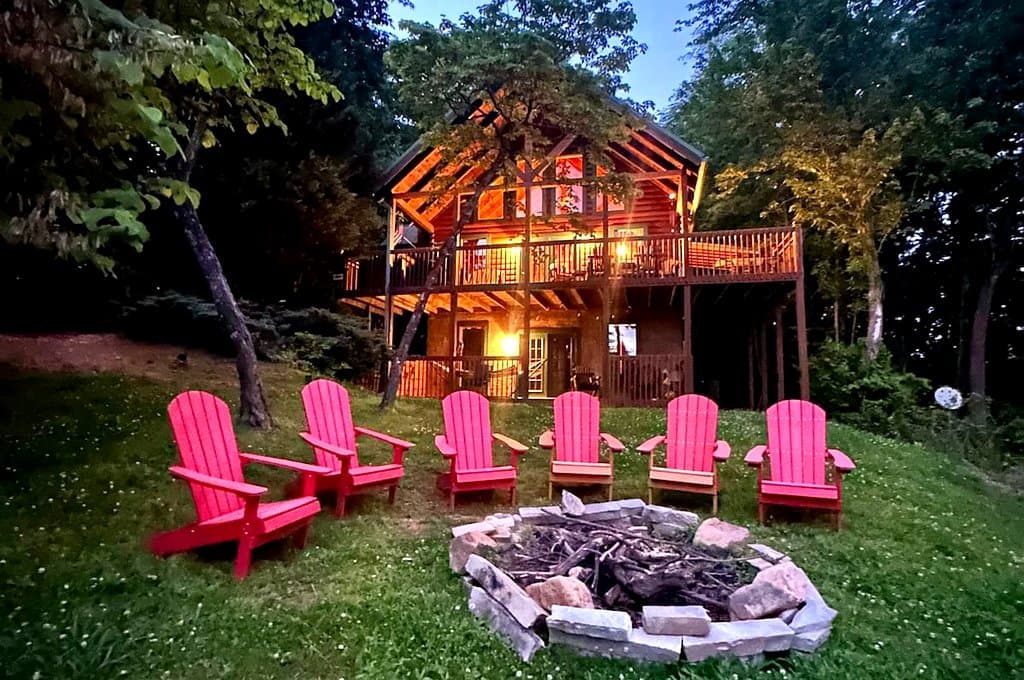
Fire pit, hot tub, maybe a porch round of cards. Early summer nights up here cool into the low 60s, which after a 90-degree afternoon feels like a different planet. This is also when fireflies do their thing in the woodline. Kill the deck lights and just watch.
Hidden Gems Most Visitors Miss
The famous stuff is famous for a reason, but here is what I send return guests to once they have done Dollywood and Cades Cove.
- The Old Mill District in the early evening. Skip the Parkway entirely, park near the mill, and walk. Pottery house, candy kitchen, and a working gristmill that has been turning since the 1830s.
- Foothills Parkway East. A short, underused stretch of road with overlooks pointing back toward English Mountain. Sunset there is quieter than any Smokies viewpoint people line up for.
- Sevierville's Forbidden Caverns. Cool, literally and figuratively. The cave stays in the high 50s, which is heaven on a 90-degree day, and the guided tour is short enough for kids.
- Pittman Center back roads. Between Gatlinburg and Cosby, this is the rural Smokies people picture before they actually arrive. Old churches, slow creeks, and barns that have been there longer than the state.
For more of these slower picks, my honest local's list goes deeper than I can fit here.
What Early Summer Actually Costs You, Time-Wise
One thing nobody tells first-timers: distances in the Smokies are deceptive. Pigeon Forge to the Sugarlands entrance of the park is only about twelve miles, but on a Saturday in late June that drive can take an hour. From the cabin to Dollywood is about ten minutes on a normal day, twenty during fireworks letout. From the cabin to Cosby Campground for fireflies is closer to forty-five minutes. Build buffer into every plan.
If your trip is your kid's first time here, my first-timer's guide walks through the logistics in more detail. Bottom line, plan one big anchor activity per day and let the rest be loose. Trying to stack Dollywood plus a long hike plus a dinner show into one day is how families end up arguing in a parking lot.
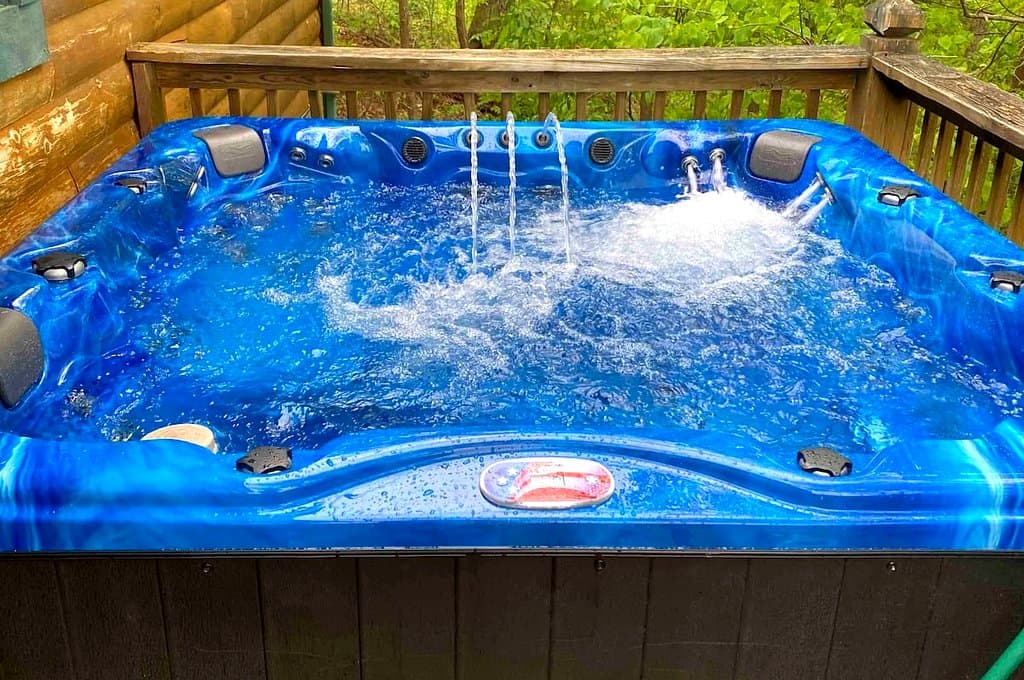
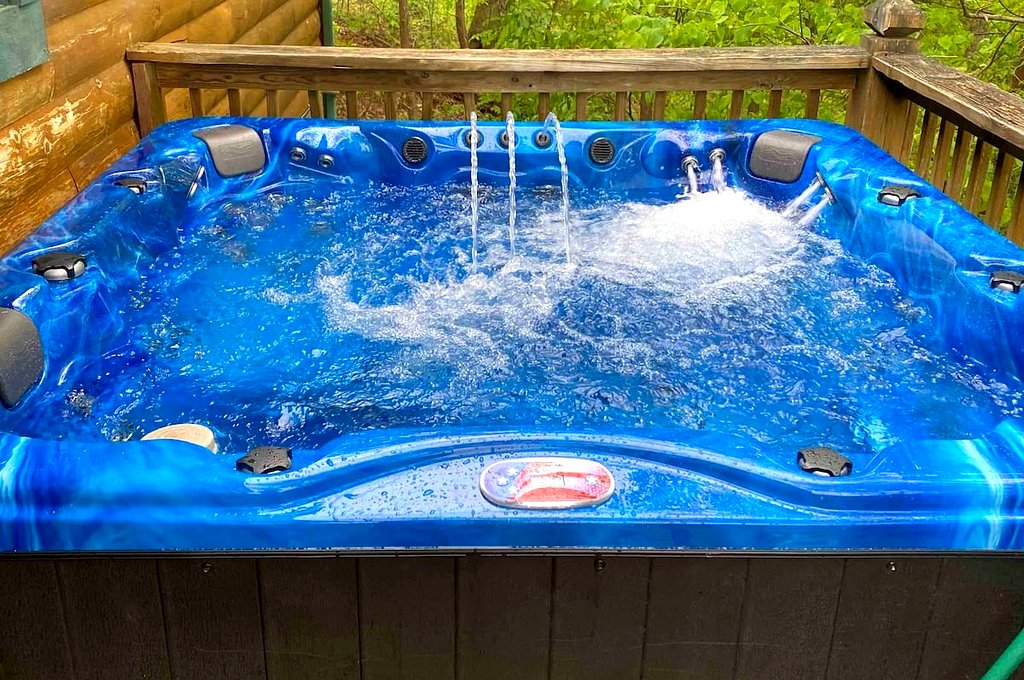 56-Jet Luxury SpaBluetooth, subwoofer, LED waterfall.
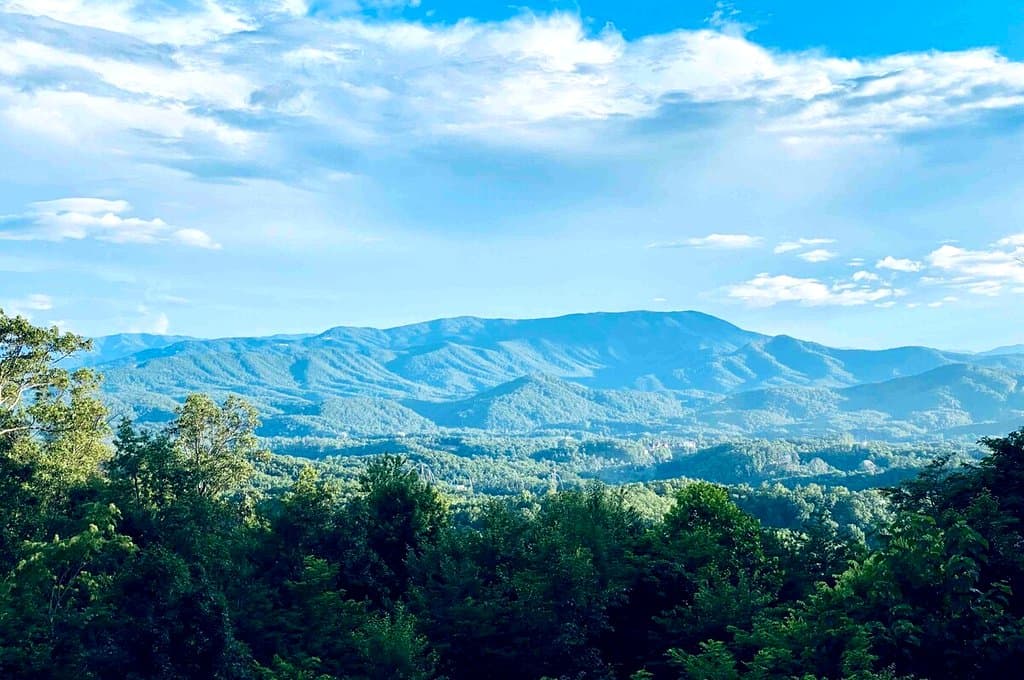
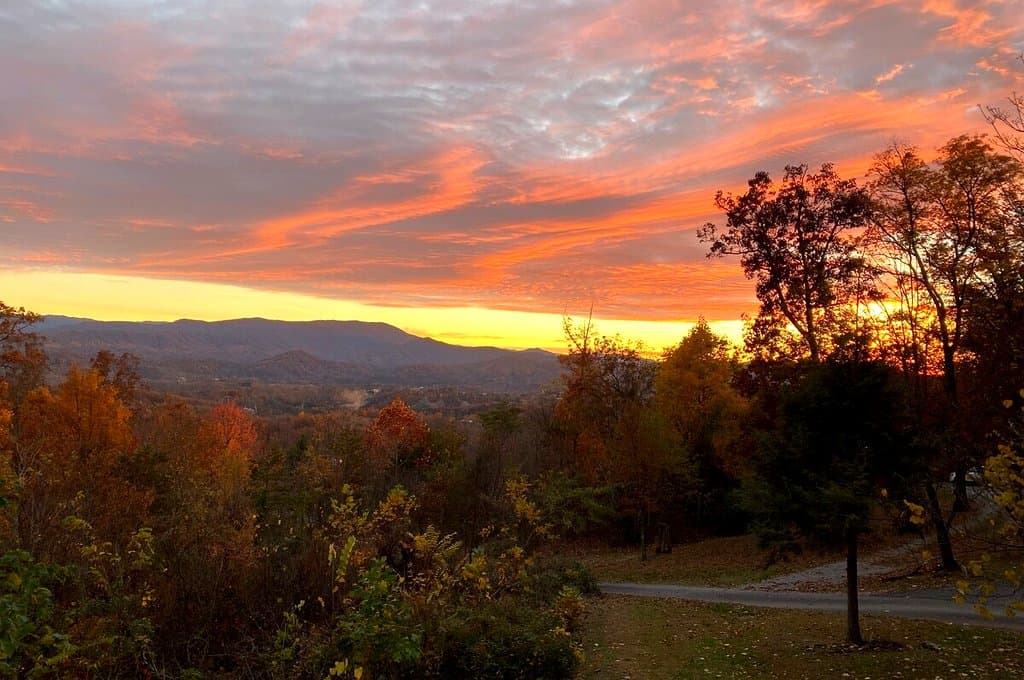
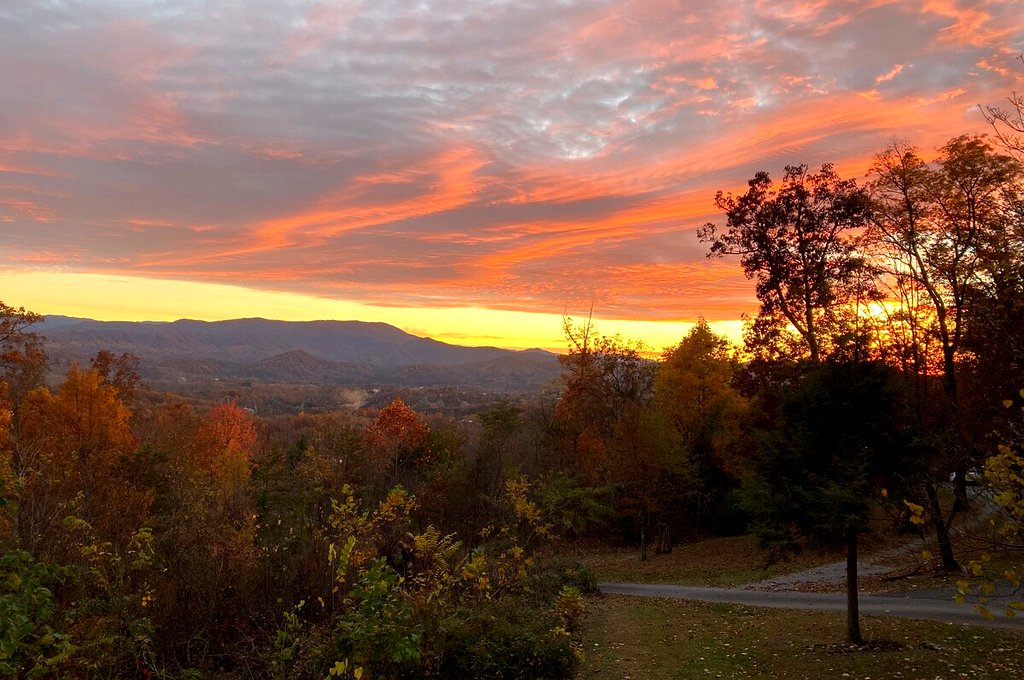 Mountain-View EveningsWatch the evening light change over the mountain ridges.
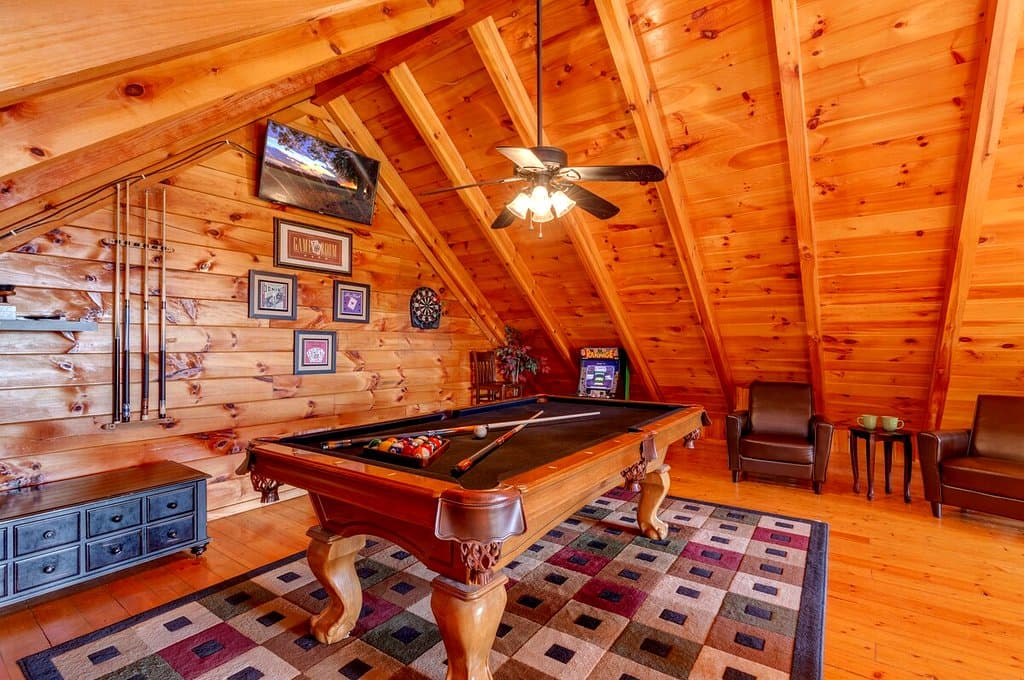
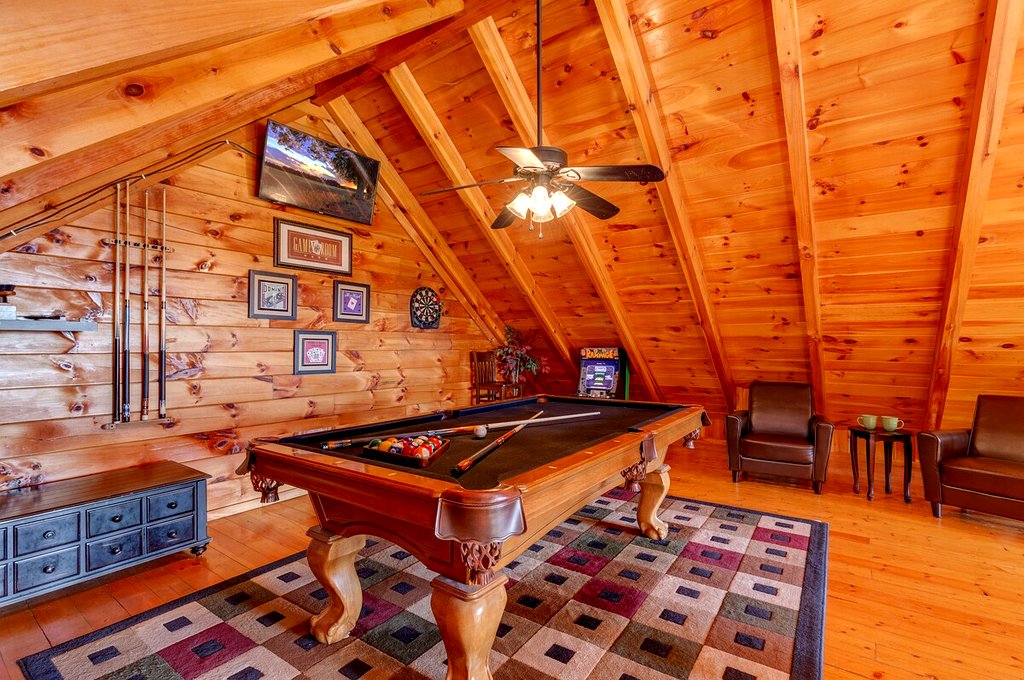 Game RoomPool table, arcade, darts, Xbox.
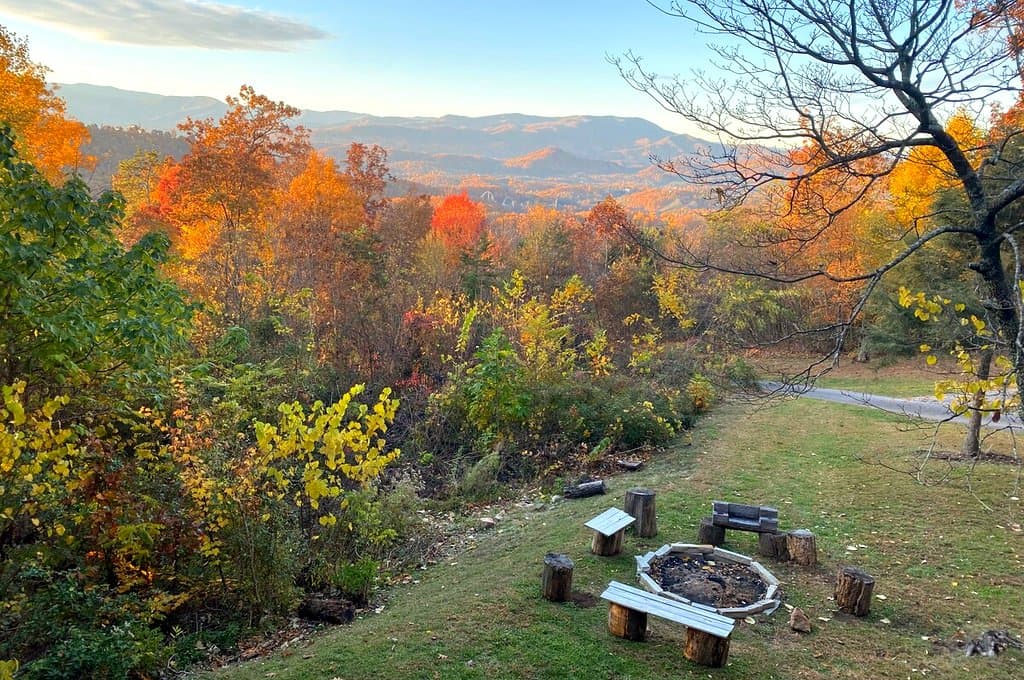
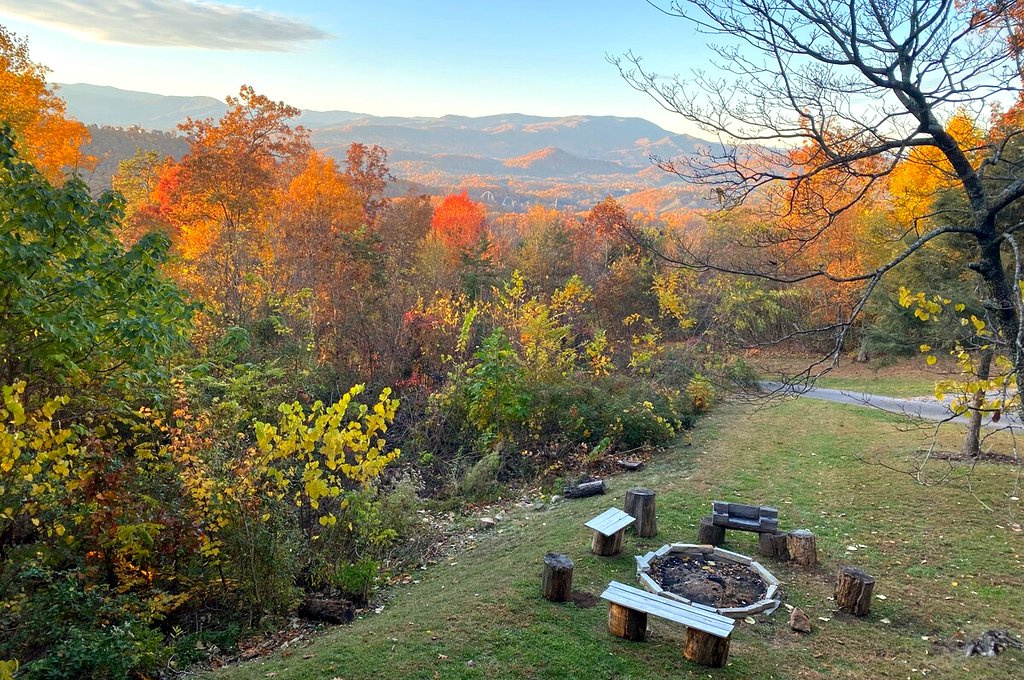 Mountain-View Fire PitS'mores with a ridgeline backdrop.
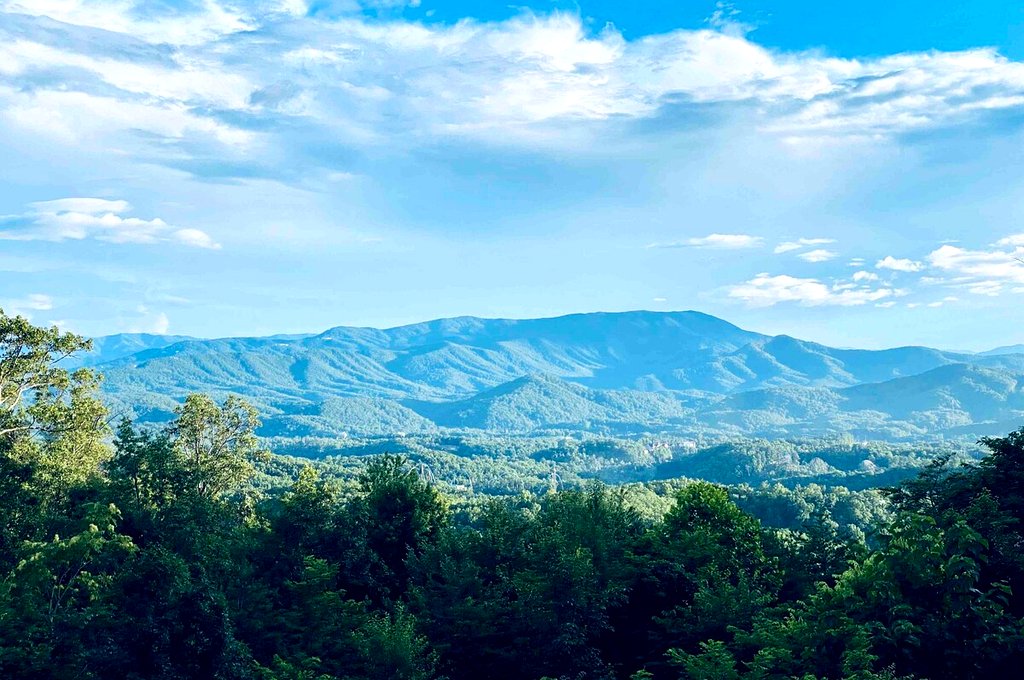 One Private AcreNo neighbors on three sides, 800 forest acres around you.
Frequently Asked Questions
Is early summer too hot for hiking in the Smokies?
Not if you go early. Trailhead temps at 8 a.m. in June usually sit in the upper 60s, which is genuinely pleasant. By noon the lower-elevation trails get sticky, but anything above 4,000 feet (Andrews Bald, Charlies Bunion, Clingmans Dome area) stays ten to fifteen degrees cooler than the valley all day. Carry more water than you think you need.
When exactly do the synchronous fireflies peak?
Peak shifts year to year based on spring temperatures, but the window almost always falls somewhere between late May and the third week of June. The Park Service announces predicted peak dates in mid-May. Even outside the official window, you will see plenty of regular fireflies in any dark woodline through mid-July.
Is Dollywood worth it in early summer or should I wait for fall?
Early summer is actually a sweet spot. The water rides are open (they are not in fall), evening hours run later, and the new attractions are running at full capacity. Heat is the real factor. Go after 4 p.m. when crowds thin and the shade gets long, and stay for the nighttime drone show. My full breakdown is in this realistic Dollywood day plan.
Can I bring my dog on a Pigeon Forge trip in June?
Yes, with a plan. Most national park trails do not allow dogs, but the Gatlinburg Trail and Oconaluftee River Trail do, and the surrounding national forest land is more flexible. The bigger question is your cabin. You want a property with real outdoor space and a pet policy that does not feel like an afterthought. A secluded acre is a different experience for a dog than a tight subdivision lot.
What is the one thing first-time visitors get wrong about early summer?
They overschedule. The Smokies in June reward people who move slowly, eat lunch on a porch, and let the afternoon storm pass instead of fighting it. The guests who leave saying "best trip ever" almost always did fewer things, but did them well.
One More Thing About Hospitality
The longer I do this, the more convinced I am that real hospitality is not about thread counts or coffee pods. It is about a property that makes the area easier to enjoy. A deck that lets you skip the fireworks parking lot. A game room that saves a rainy afternoon. Internet fast enough that one parent answering email does not derail the trip. A secluded acre where the dog can actually be a dog. Early summer in the Smokies is too good to spend stuck in traffic or stacked on top of strangers in a cookie-cutter rental.
Pick the right base, plan loosely, get up early, and let the mountains set the pace. That is the whole playbook.
If you want an early summer trip with mountain privacy, fiber WiFi, a real game room for storm afternoons, and a front-row deck for the Dollywood fireworks, our calendar opens up fast for June and early July.
Start Planning Your Trip