 Thistle Britches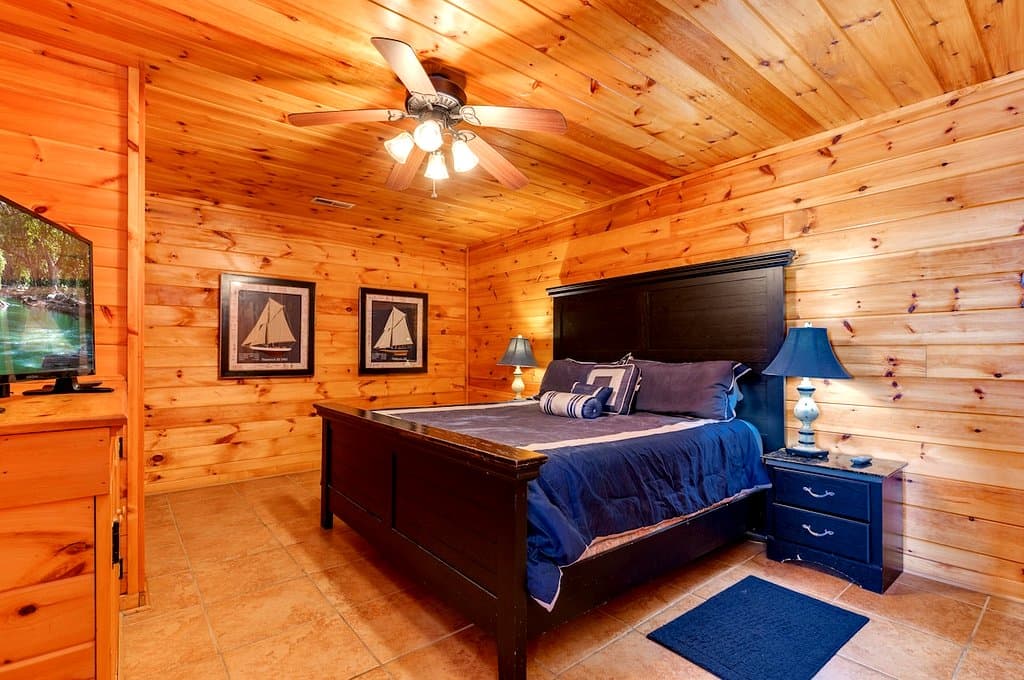
The first time most people try the Cades Cove loop, they do it wrong. They sleep in, roll out of the cabin around ten, stop for biscuits, and arrive at the loop entrance right as half of East Tennessee is queuing up behind a minivan with Ohio plates. By the time they reach Cable Mill, the kids are wilting, the deer are bedded down for the afternoon, and the only black bear anyone sees is on a t-shirt at the gift shop.
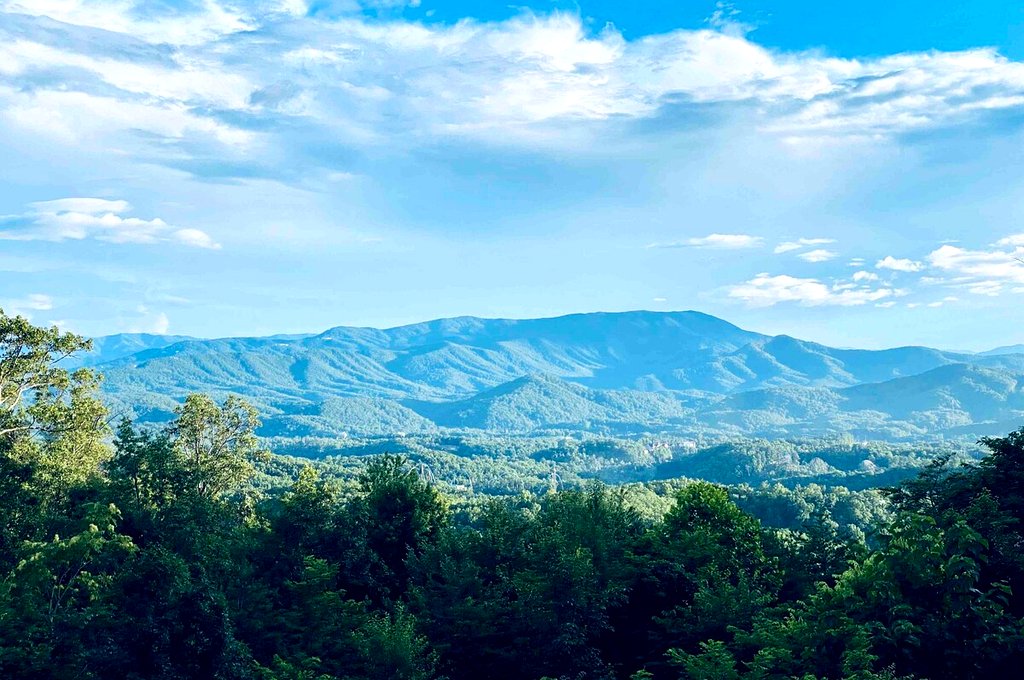
It does not have to go that way. The cove is one of the most beautiful pockets of the Smokies, a wide green bowl ringed by ridges with old churches, split-rail fences, and wildlife that actually shows up if you time it right. Good hospitality means setting guests up to see it the way locals do. Here is the half-day plan I share with everyone who books the cabin and asks what to do on their first full day.
Key Takeaways
- Leave the cabin in the dark. The light at sunrise in the cove is the whole reason to go.
- Pack breakfast and coffee to eat at an overlook, not at a table back home.
- Plan for the 11-mile loop to take two to three hours, not one.
- Have a rainy-day backup ready before you ever pull out of the driveway.
- Be back at the cabin by early afternoon so the day is not a write-off.
Why the half-day approach beats the all-day approach
People assume Cades Cove deserves a full day. It does not. It deserves a focused morning. The cove rewards early light and punishes mid-day visitors with bumper-to-bumper traffic on a one-lane loop road. Once the sun is high, the deer melt into the tree line, the turkeys vanish, and any bear with sense is napping in a thicket where you will never see it.
A half-day plan also protects the rest of your trip. If you blow eight hours on a single outing, you come back exhausted, skip dinner plans, and waste the evening. A morning run leaves you back on the deck by lunchtime with energy for the hot tub, a nap, a soak, and a steak in Gatlinburg later. That is good vacation pacing, and good hospitality starts with helping guests avoid the burnout trap.
The drive from the cabin to the Townsend wye, where you turn into the park toward the cove, runs about an hour. Build that into your alarm clock math. If you want to be at the loop entrance at first light, you are leaving the cabin in the dark. That feels brutal until you do it, and then it feels like a secret.
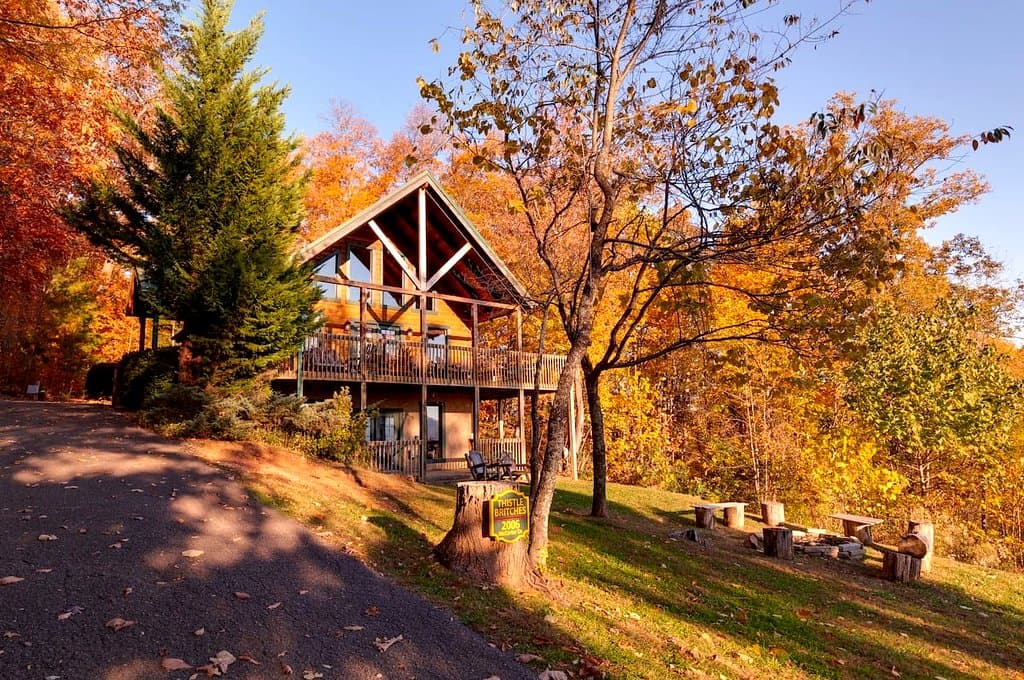
Actual photo of Thistle Britches, a private mountain cabin above Dollywood.
The wake-up time that actually works
Pull up a sunrise time for the week of your stay and work backward. Aim to be sitting at the Cades Cove Loop entrance fifteen minutes before sunrise. That usually means an alarm somewhere between 4:45 and 5:45 depending on the season. Coffee in a travel mug, breakfast packed the night before, headlights on, and out the door.
The drive itself is part of the experience if you let it be. You will roll through sleepy Pigeon Forge with the Parkway signs still glowing, then cut over toward the park. The road into the cove from the wye is dark and curvy, so take it slow and watch for elk and deer along the shoulders. You will probably arrive with a small line of cars already at the gate, which is fine. Those people had the same idea you did, and they tend to be the quiet, polite kind of traveler.
If you cannot stomach a pre-dawn wake-up, the second-best window is the last two hours before the loop closes at sunset. Wildlife comes back out, the day-trippers have left, and the light on the western ridge is some of the prettiest in the park.
What to actually do on the loop
The loop is eleven miles, one-way, with pull-offs and a couple of side roads. Plan two to three hours and do not feel rushed. Here is the rhythm that works:
- First mile: slow scan of the open meadows on both sides. Deer and turkey country.
- Sparks Lane (gravel cut-through): great morning fog and split-rail fence photos.
- The Methodist Church: park, walk in, read the names on the headstones. Five quiet minutes that guests remember years later.
- Cable Mill area: restrooms, the working grist mill, and the visitor contact station. Stretch your legs.
- Back half of the loop: another shot at wildlife as the cove warms up and animals move toward shade.
Bring binoculars if you have them. Bring a real camera if you care about photos, because phone cameras flatten the distance and make every bear look like a black dot. And please, do not get out of your car to approach wildlife. Rangers will ticket you, and a startled mother bear is not a souvenir.
The rainy-day pivot, because this is the Smokies
Here is the part most guides skip. The Smokies are called the Smokies because they fog in. Hard. You can wake up at five, brew the coffee, load the car, and step outside to a wall of mist with visibility down to your own mailbox. If that happens, do not push through. The cove in heavy fog is a long slow drive past gray nothing.
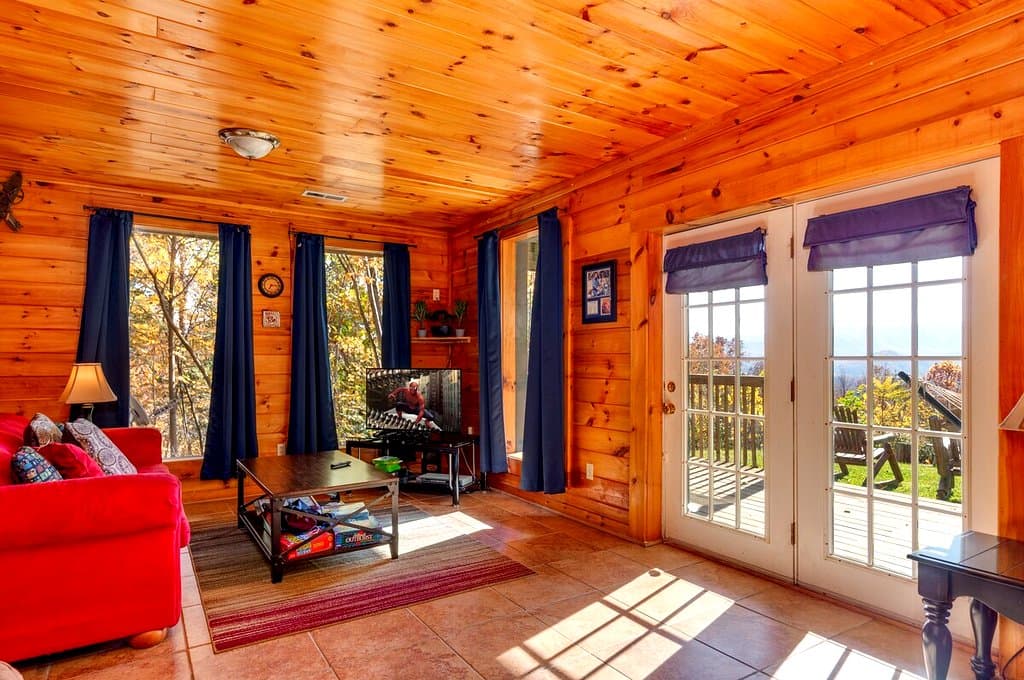
This is where good hospitality matters more than a polished itinerary. The right cabin gives you a real rainy-day plan B so the morning is not wasted. Look for a property with an actual game room, not just a deck of cards in a drawer. A pool table, an arcade machine, and video games will keep kids and bored teenagers happy for hours while the fog burns off. A 56-jet hot tub on a covered deck turns a soggy morning into the kind of slow start adults actually want on vacation. Strong fiber WiFi means you can stream, work, or pull up live park webcams to see if the weather is breaking. These are the features that separate a real getaway from a frustrating one.
If the morning clears by ten, the cove is still worth a try, just expect more traffic. If it does not clear, save it for tomorrow and pivot to something else. Foothills Parkway pull-offs, a wander through downtown Gatlinburg, or a lazy afternoon on the deck are all better uses of a foggy day than crawling the loop in a cloud.
What to pack the night before
This is the part that makes or breaks a pre-dawn departure. Anything you have to think about at five in the morning will not get done. Set it all out the night before on the kitchen counter.
- Thermos of coffee, already brewed. A French press on the counter with grounds measured works too.
- Breakfast you can eat one-handed. Muffins, breakfast burritos wrapped in foil, fruit, granola bars.
- Layers. Even in summer the cove can sit in the low 60s at sunrise.
- Binoculars, a real camera if you have one, and a phone charger for the car.
- A printed or downloaded loop map. Cell service in the cove is spotty.
If you are bringing the dog, leave them at the cabin for this one. Dogs are not allowed on most park trails and cannot be left in a hot car at the Cable Mill stop. A cabin with a fenced or secluded acre is a much kinder place for them to spend the morning. For more on traveling with pets in the area, the pet-friendly cabin day plan covers what works and what does not.
Want a base camp where the morning coffee is hot, the WiFi is fast enough to check sunrise times, and the hot tub is waiting when you get back? The cabin sleeps six across three floors with the kind of privacy most rentals only claim to have.
Book Your StayGetting back to the cabin and using the rest of the day
If you leave the cove by ten or eleven, you are home by noon with the entire afternoon ahead of you. That is the whole point of the half-day plan. The deck is calling, the fireworks at Dollywood will go off after dark, and you still have energy for a real dinner. Compare that to the full-day version, where you stumble back at five, order pizza, and fall asleep on the couch.
For other ways to fill an afternoon, the local's honest list of things to do covers the spots worth your time and the ones that are just tourist traps with good marketing. And if you are still in planning mode, the first-time visitor guide walks through the whole trip arc.
Frequently asked questions about a Cades Cove half-day
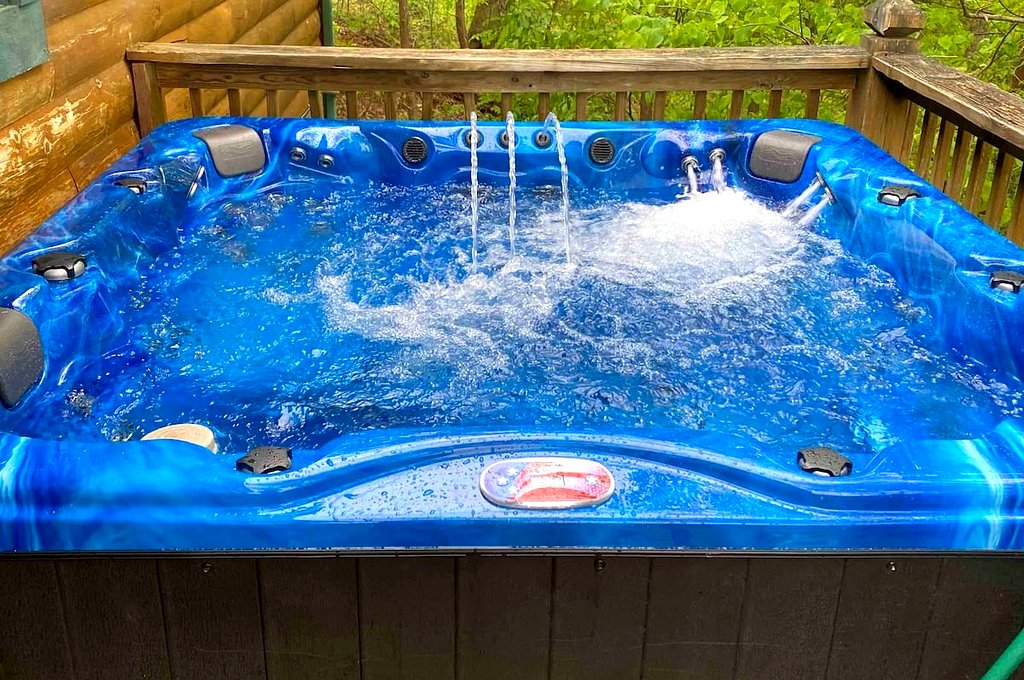 56-Jet Luxury SpaBluetooth, subwoofer, LED waterfall.
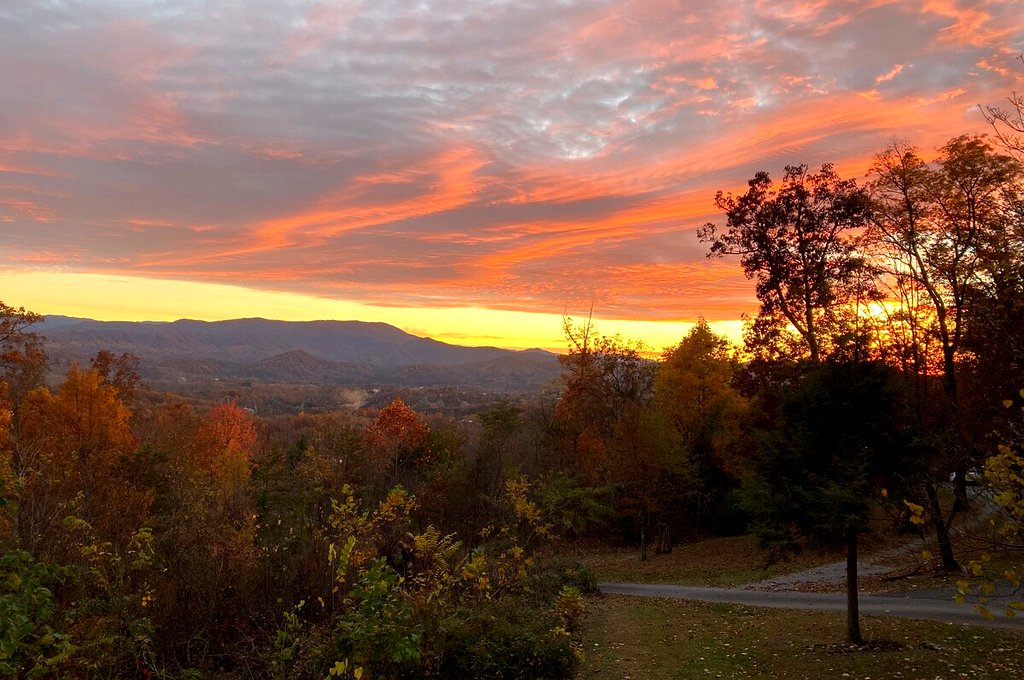 Mountain-View EveningsWatch the evening light change over the mountain ridges.
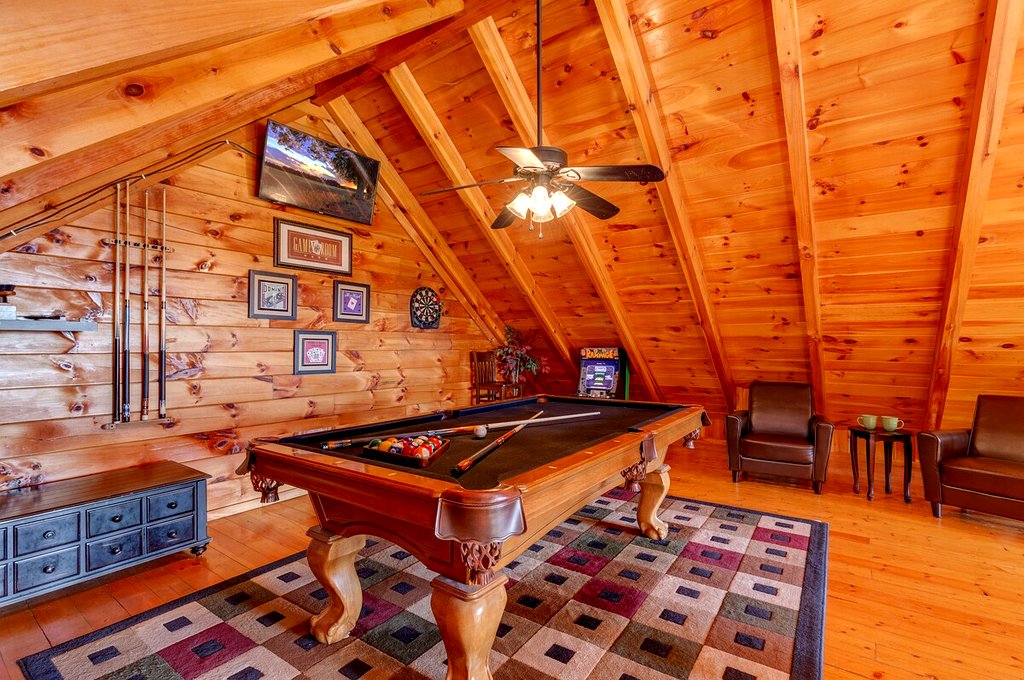 Game RoomPool table, arcade, darts, Xbox.
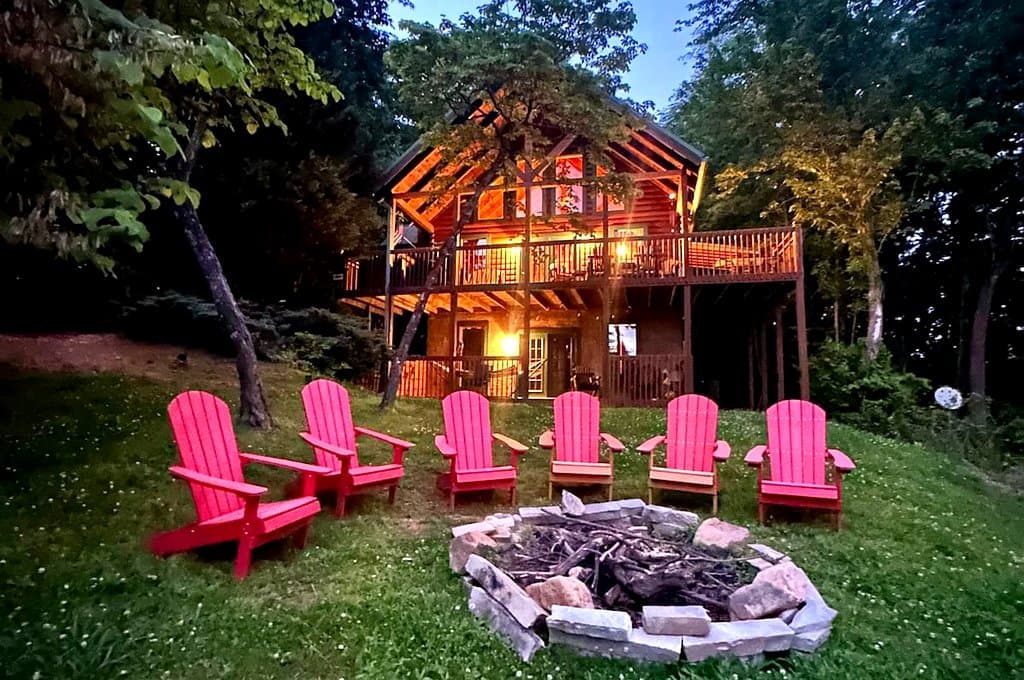
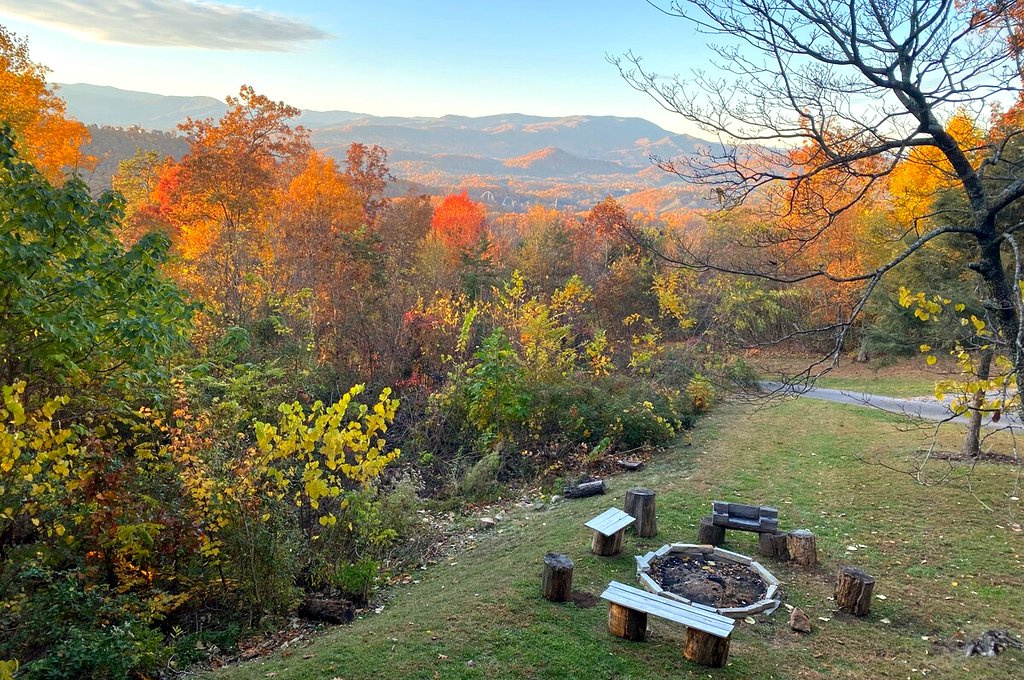 Mountain-View Fire PitS'mores with a ridgeline backdrop.
 One Private AcreNo neighbors on three sides, 800 forest acres around you.
How long does it actually take to drive the loop?
The road itself is eleven miles, but plan two to three hours minimum with stops, wildlife jams, and a walk around the Cable Mill area. On a busy summer Saturday afternoon, the loop can take four hours or more if there is a bear sighting. Going at sunrise cuts that nearly in half.
Is there a fee to enter the park or drive the loop?
There is no entrance fee for Great Smoky Mountains National Park, but a parking tag is now required for any vehicle parked longer than fifteen minutes. You can buy daily, weekly, or annual tags online or at visitor centers. Tags are not required if you stay in your car the whole loop, but you will want to get out at the churches and the mill, so just buy one.
What is the best season for wildlife?
Late spring and early summer are excellent for deer, turkey, and the occasional bear with cubs. Fall is stunning for the colors and the rut, when bull elk are active in the area. Winter mornings are quietest of all, with bare trees making wildlife easier to spot. Mid-summer afternoons are the worst window for animals and the best for traffic.
Can we do Cades Cove and another hike in the same day?
If you finish the loop by mid-morning, yes. Abrams Falls leaves from a trailhead inside the loop and runs about five miles round-trip. It adds three to four hours and a packed lunch. If you would rather save your legs, drive back toward the cabin and pick a shorter trail closer to home.
What if we are traveling with someone who cannot do a 5 a.m. wake-up?
Then split the group. The early risers go, the late sleepers stay at the cabin with coffee and the game room, and you all meet back up for lunch. This is the unsung beauty of a multi-bedroom cabin. Nobody has to be miserable to keep the peace.
A Cades Cove morning is one of those rare experiences that lives up to the photos, but only if your base camp lets you wake up rested and come back to comfort. If that sounds like the trip you want, let's get your dates on the calendar.
Start Planning Your Trip