

 Thistle Britches
By the second week of April, the woods just outside the cabin start doing something quiet and a little theatrical. The trillium pop up first along the shaded slopes near Sugarlands, then the spring beauties carpet the lower trails, and within a few weeks the whole east side of the Smokies looks like someone shook glitter across the forest floor. If you have ever stood on the deck above Dollywood at sunrise in April, you have already smelled it coming: that wet-leaf, green-stem, just-rained scent that means the ephemerals are about to show off.
This is the part of the year a lot of cabin guests miss. They plan for fall color or summer pool weather and skip the six week window where the Great Smoky Mountains National Park hosts what botanists call the most diverse wildflower display in North America. Spring hospitality in this corner of Tennessee is less about big crowds and more about slow mornings, muddy boots, and trails you can actually breathe on. Below is the shortlist I give guests when they ask which hikes are worth the drive from our cabin near Parrot Mountain.
Key Takeaways
- Peak wildflower bloom runs roughly mid-April through mid-May on the Tennessee side of the Smokies.
- Porters Creek and the Cove Hardwood Nature Trail are the two highest-reward, lowest-effort hikes from the Pigeon Forge area.
- Mornings are best. Trailhead parking fills by 10 a.m. on weekends, even in spring.
- A parking tag is required inside the national park. Pick one up before you go.
- Rainy spring days are common. A cabin with a real indoor backup matters more than the weather forecast.
Why Spring Hospitality in the Smokies Hits Different
The Tennessee side of the park protects more than 1,500 species of flowering plants, which is part of why UNESCO designated Great Smoky Mountains National Park an International Biosphere Reserve. In April and early May, that biodiversity goes from textbook fact to something you can literally trip over on the trail. Bloodroot, hepatica, fringed phacelia, yellow trillium, showy orchis, all of it within a thirty minute drive of the cabin.
Spring is also when local hospitality slows down enough to be enjoyable. The Parkway moves. You can get a table at the pancake places without a forty minute wait. Ranger-led wildflower walks start back up at Sugarlands Visitor Center, and the Spring Wildflower Pilgrimage out of Gatlinburg pulls in botanists from across the Southeast for a week of guided hikes. If you have only ever visited in July or October, a spring trip will feel like you found a different mountain range.
One thing to plan around: weather. April in the Smokies can be 70 and sunny or 38 and sideways rain, sometimes in the same afternoon. Pack layers, pack rain shells, and book a cabin where a washed-out day does not wreck the trip. More on that below.
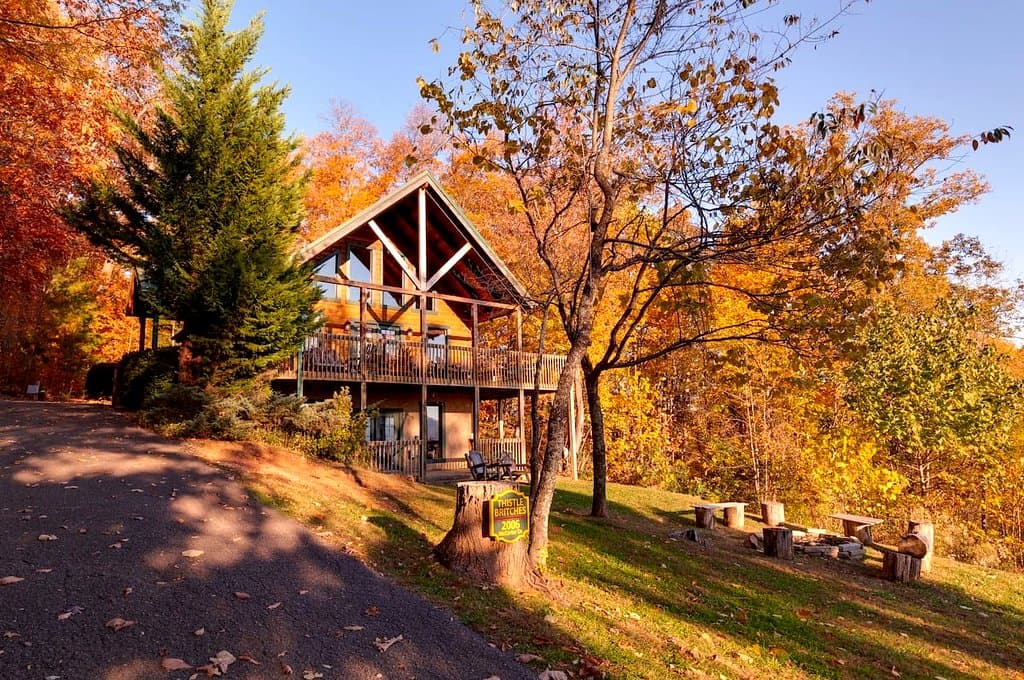
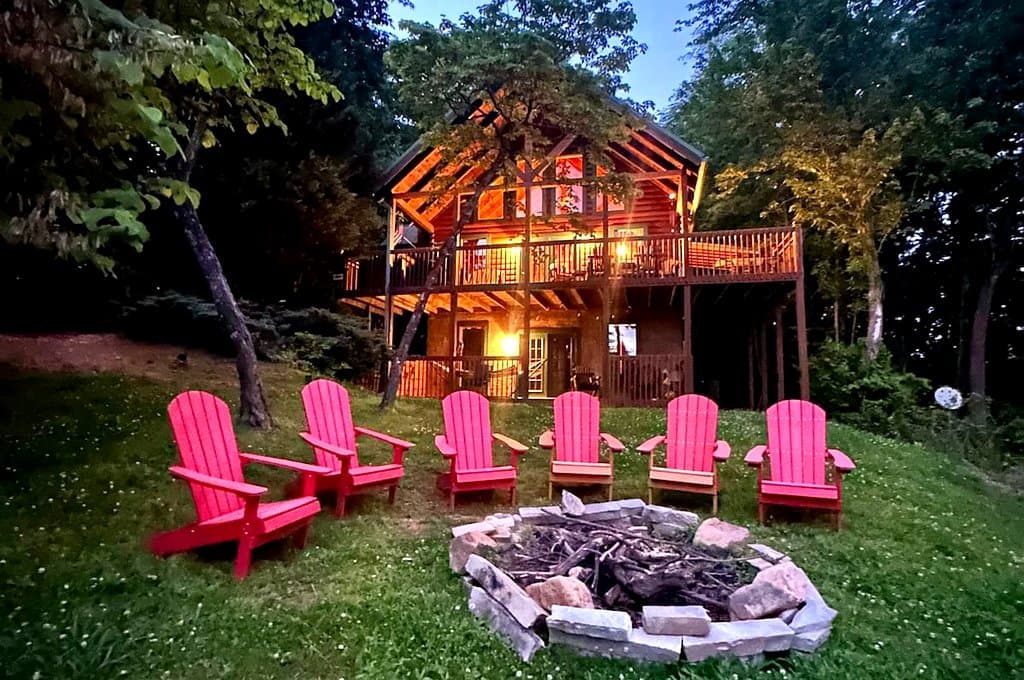
Actual photo of Thistle Britches, a private mountain cabin above Dollywood.
Hike 1: Porters Creek Trail (Greenbrier)
If you only do one wildflower hike near Pigeon Forge, make it this one. Porters Creek sits in the Greenbrier section of the park, about a 35 minute drive from the cabin through Gatlinburg. The first mile follows an old gravel roadbed along the creek, which means it is stroller-friendly and very forgiving on the knees.
What you came for: fringed phacelia carpets so thick the forest floor looks like fresh snow in mid-April. Add in white trillium, crested dwarf iris, wild geranium, and the occasional yellow lady slipper if you are lucky. The turnaround at the old Messer farm site has a hand-hewn cabin and a small cemetery worth poking around.
Out and back to the cabin site is about 2 miles round trip. Keep going to Fern Branch Falls for a 4 mile day. Park early. The lot at the end of Greenbrier Road is small and fills fast on weekends.
Hike 2: Cove Hardwood Nature Trail (Chimneys Picnic Area)
This is the one I recommend to guests who want maximum wildflowers for minimum effort. It is a 0.75 mile loop right off Newfound Gap Road, about 25 minutes from the cabin. The trail climbs gently through old-growth cove hardwood forest, which is exactly the habitat spring ephemerals love.
Expect Dutchman's breeches, squirrel corn, blue cohosh, foamflower, and several trillium species along a single short loop. There is an interpretive booklet at the trailhead that explains what you are looking at, which is genuinely useful if this is your first wildflower hike. Pair it with a picnic at Chimneys and you have a full half-day without much driving.
Because the Chimneys Picnic Area is a popular stop on the way to Newfound Gap, parking can be tricky midday. Aim to arrive before 9:30 a.m. or after 3 p.m. and you will usually find a spot. If you want more local context on planning the rest of your day around an early hike, our honest list of things to do in the Smokies covers the afternoon side of the equation.
Hike 3: Schoolhouse Gap to White Oak Sink
This one is the insider pick, and the longest drive at about an hour from the cabin since it sits on the Townsend side of the park. White Oak Sink is a hidden limestone valley known for its dense wildflower display and a small waterfall that disappears into a cave. From late March into April, the sink fills with bloodroot, trout lily, twinleaf, and one of the best showings of Virginia bluebells in the park.
The route is roughly 4.5 miles round trip with moderate effort. The turnoff into the sink is unmarked and easy to miss, so download the trail to your phone before you go since cell service vanishes once you drop off the ridge. The park sometimes closes the sink to protect endangered bat populations, so check with Sugarlands before you commit to the drive.
Worth it? Yes, if you want the kind of wildflower experience that does not show up on the first page of search results. The sink has the feel of a forgotten place, partly because most weekend visitors stick to the Cades Cove loop and never wander up the side trails.
The Pain Point: Rainy Spring Days and Restless Kids
Here is the honest part of spring hospitality in the Smokies: it rains. A lot. The eastern Smokies are technically a temperate rainforest, and April is one of the wetter months on the calendar. You can absolutely hike in light rain, the flowers look better with water on them, but a serious downpour will keep families off the trail.
The mistake most first-time spring guests make is booking a generic cabin with nothing to do indoors. Eight hours of fog and rain with bored kids in a 600 square foot rental is its own kind of vacation memory, and not the good kind. When you are picking a cabin for a spring trip, look for three things specifically: a game room with actual entertainment, fiber-grade WiFi that can handle four people streaming at once, and enough square footage spread across multiple floors so people can get away from each other when they need to.
For context, the cabin we host has a full game room with a pool table, arcade machine, and video games on the lower floor, 321 Mbps fiber for the remote-work crowd or the rainy-day movie marathon, and three floors so a teenager can disappear with a book while the adults pour wine upstairs. Guests routinely mention the game room as the trip-saver when a hike day washes out. That is the kind of indoor backup spring travel actually requires.
Spring dates fill faster than people expect, especially the Wildflower Pilgrimage week in late April. If you want a private cabin with a real rainy-day backup plan, lock in your nights now.
Book Your StayHike 4: Middle Prong Trail (Tremont)
Middle Prong is the wildflower hike for people who also want waterfalls. It follows a former logging railroad along a loud, cascading river, with bloodroot, trillium, and fringed phacelia along the lower stretches and rhododendron tunnels higher up. The trail is wide, gently graded, and shaded, which makes it forgiving for mixed-ability groups.
Two miles in gets you to the first big cascade. Four miles round trip is a comfortable morning. Strong hikers can push to Indian Flats Falls at 8 miles round trip. The Tremont entrance sits about 45 minutes from the cabin, so plan a full day and stop in Townsend for lunch on the way back.
Hike 5: Oconaluftee River Trail
The wild card. Oconaluftee is on the North Carolina side, about 90 minutes from the cabin over Newfound Gap, and it is the flattest of the five. It is also where you are most likely to see elk grazing alongside the wildflowers, which is the kind of detail that turns a hike into a story your kids tell for years.
Expect dwarf iris, robin's plantain, and several violet species along the riverbank. The drive itself is part of the experience because Newfound Gap Road climbs through every elevation zone the park has, and spring blooms move up the mountain by roughly a thousand feet a week. You can essentially watch the season unfold through the windshield.
If you are already planning a longer mountain stay, this is a good day-trip pairing with our notes on what's happening near Pigeon Forge in early summer, since the late-May overlap brings flame azalea into bloom on the higher trails.
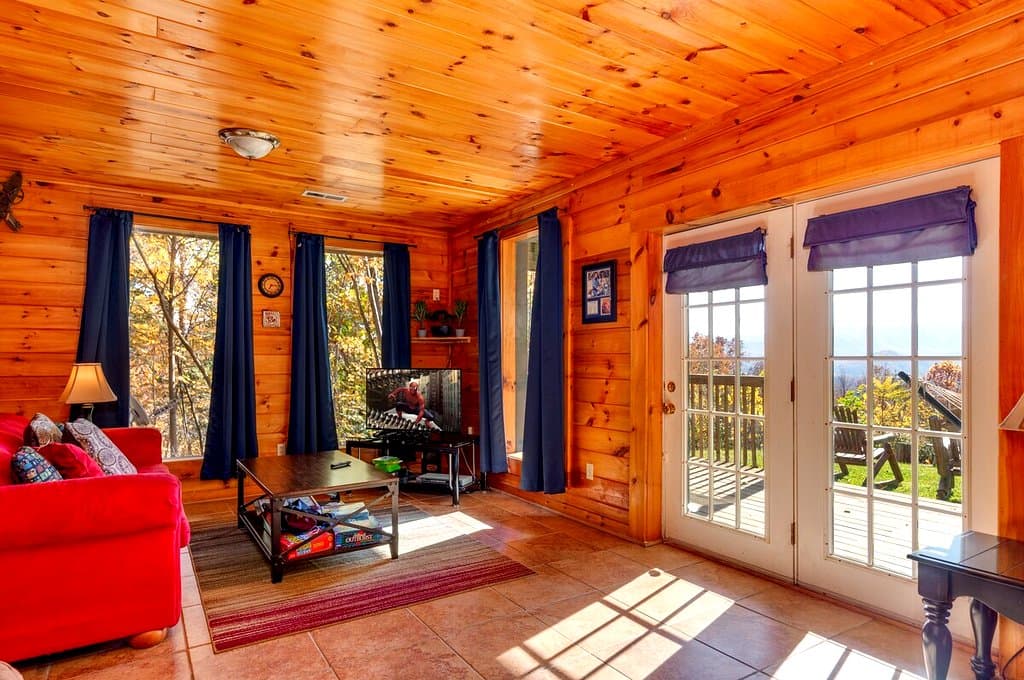
Frequently Asked Questions
 56-Jet Luxury SpaBluetooth, subwoofer, LED waterfall.
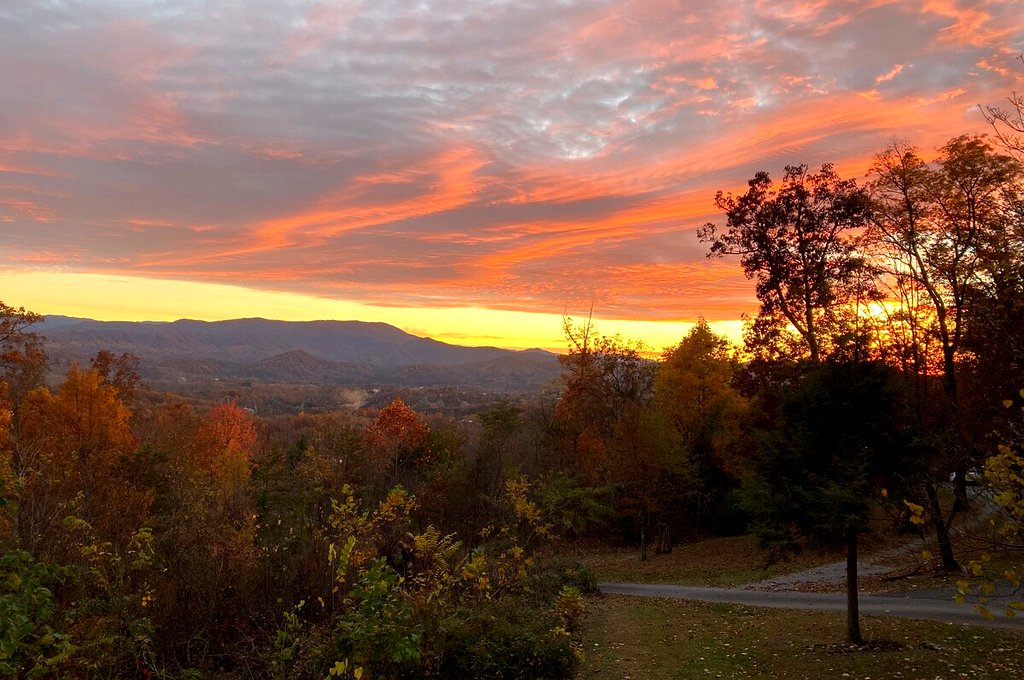 Mountain-View EveningsWatch the evening light change over the mountain ridges.
 Game RoomPool table, arcade, darts, Xbox.
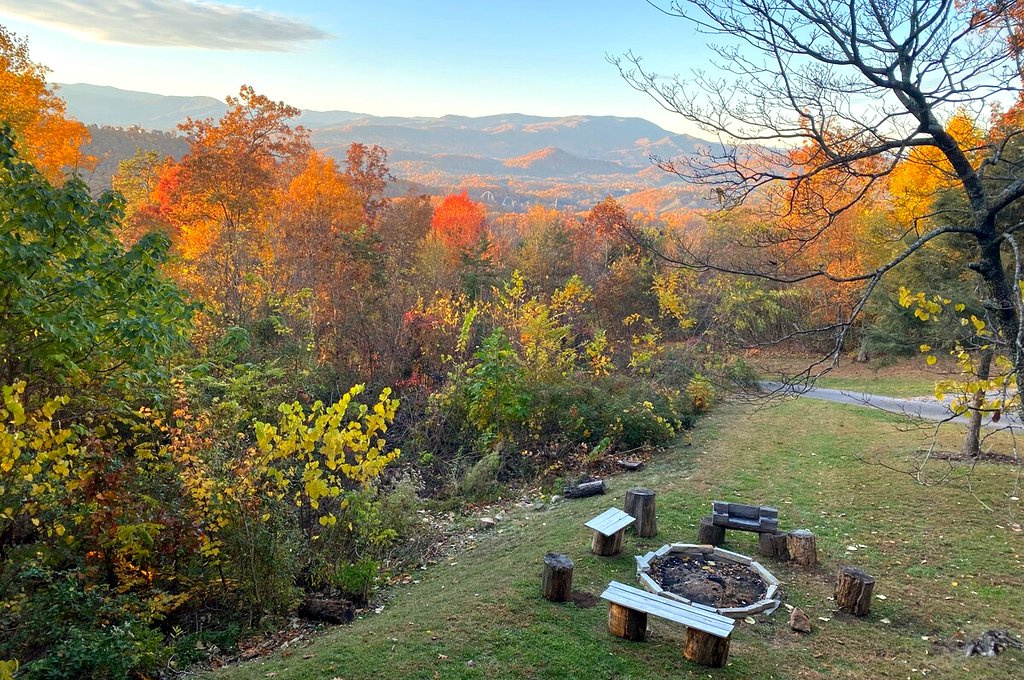 Mountain-View Fire PitS'mores with a ridgeline backdrop.
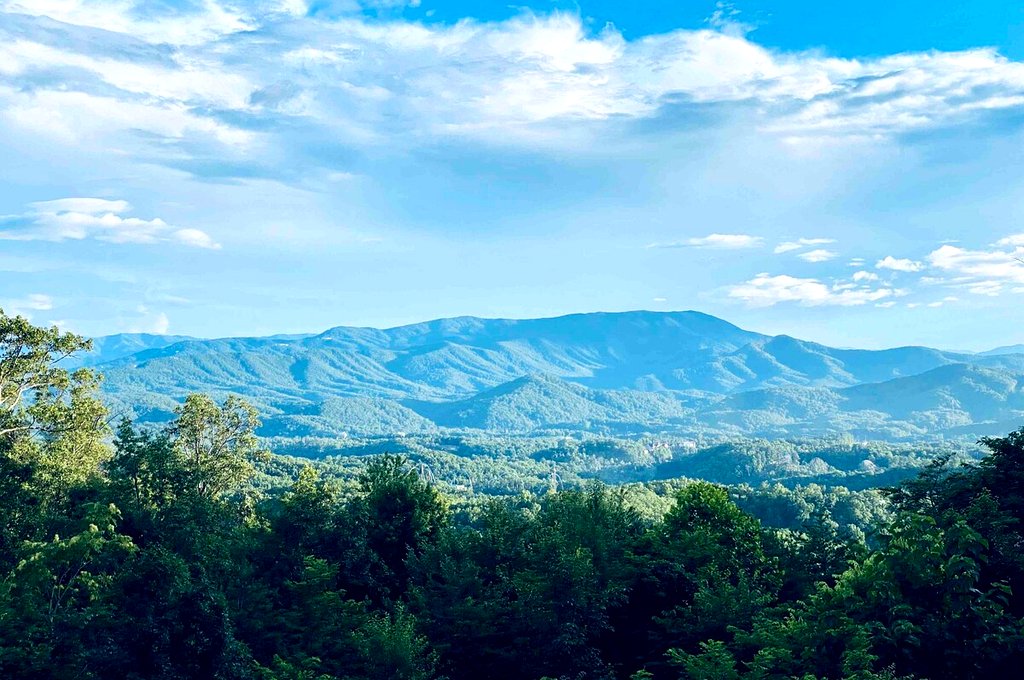 One Private AcreNo neighbors on three sides, 800 forest acres around you.
When is peak wildflower season in the Smokies?
Mid-April through mid-May is the sweet spot for the lower and mid-elevation trails on the Tennessee side. The very early bloomers like bloodroot and trout lily can show up in late March, and higher elevation flowers like flame azalea and mountain laurel push the season into June. If you can only pick one week, aim for the last week of April.
Do I need a parking pass for these hikes?
Yes. The national park now requires a Park It Forward parking tag for any vehicle parked more than 15 minutes at a trailhead. Daily, weekly, and annual options are available at the park's official site and at visitor centers. Buy yours before the drive so you are not scrambling at the trailhead.
How far are these trails from a Pigeon Forge cabin?
From the Parrot Mountain area above Dollywood, Cove Hardwood is about 25 minutes, Porters Creek is around 35, Middle Prong is 45, White Oak Sink is closer to an hour, and Oconaluftee runs about 90 minutes. All five are doable as day hikes with time to spare for dinner back near the cabin.
What should I pack for a spring wildflower hike?
Layers, a rain shell, waterproof boots or trail runners you do not mind getting muddy, a small wildflower field guide or the iNaturalist app, plenty of water, and snacks. Spring trail conditions can be slick where the snowmelt is still draining off the upper slopes, so trekking poles earn their keep.
Are the trails kid-friendly?
Porters Creek and Cove Hardwood are both excellent for kids. The grades are gentle and the wildflowers are right at eye level for short hikers. Oconaluftee is the easiest of all, mostly flat and paved in sections, with a real chance of seeing elk to keep little ones interested.
Making the Trip Actually Work
Spring travel in the Smokies rewards people who plan a little and over-pack the indoor backup. Pick two hikes for your trip, not five, so you have margin for weather and rest. Wake up early at least one morning, even if you are on vacation, because the trails between 7 and 10 a.m. in April are something close to magic. Eat dinner back at the cabin most nights so you can sit on the deck with a glass of wine and watch the Dollywood fireworks light up the ridge below you.
And if it rains for two days straight, which it might, you want to be somewhere with a pool table, fast WiFi, a 56-jet hot tub on the deck, and enough room that nobody is on top of each other. That is the difference between a frustrating trip and a story you retell every spring.
Spring wildflower weeks are the quietest beautiful season in the Smokies. Pick your hikes, pack your layers, and stay somewhere built for the weather you actually get.
Start Planning Your Trip