 Thistle Britches
A July afternoon on the porch above Dollywood has a specific feel. The cicadas start around three, the haze settles into the ridges across the valley, and the asphalt down on the Parkway shimmers like a hot griddle. If you have never spent a summer week in a Smoky Mountain cabin, the heat can sneak up on you. It is not Florida humid and it is not desert dry. It is a soft, sticky warmth that rolls in by mid-morning and lingers until the sun drops behind the ridge.
After hosting families through plenty of summer weeks at our cabin in Sevierville, I have watched the same pattern play out. Guests who plan around the heat have a wonderful week. Guests who try to muscle through it end up cranky by Wednesday. The good news is that the rhythm of a great summer day here is simple, and a cabin set up for real hospitality makes it almost automatic.
Key Takeaways
- Hike and explore before 10am while the ridges are still cool and shaded.
- Use the middle of the day for water: rivers, swimming holes, or a shaded deck with a hot tub on a cool setting.
- Plan a rainy-afternoon backup before you need one. Summer storms here are quick but daily.
- Save the Parkway, dinner, and the Dollywood fireworks view for after sunset when the heat breaks.
- A cabin with shade, real WiFi, and an indoor backup plan is the difference between a great week and a damp one.

What summer in the Smokies actually feels like
Pigeon Forge sits in a valley, which means the heat collects. Daytime highs in July and August usually run in the upper 80s, sometimes brushing 90, with humidity that makes the air feel heavier than the thermometer suggests. Mornings start in the high 60s and feel genuinely pleasant. By noon you are looking for shade. By three you are looking for water or air conditioning.
The ridges above town run cooler. Our cabin sits up above Dollywood on its own secluded acre, and the wraparound deck usually pulls a breeze that the Parkway does not get. That said, even mountain cabins get warm in the afternoon if you let the sun bake the west-facing windows. Close those blinds before lunch and the AC has a fighting chance.
The other summer reality is the afternoon thunderstorm. Most July and August days in the Great Smoky Mountains National Park produce a pop-up storm somewhere between two and five o'clock. It rolls in fast, dumps for thirty minutes, and clears. Plan your outdoor time around it and the storms become part of the charm. Ignore them and you end up soaked on a trail two miles from the car.
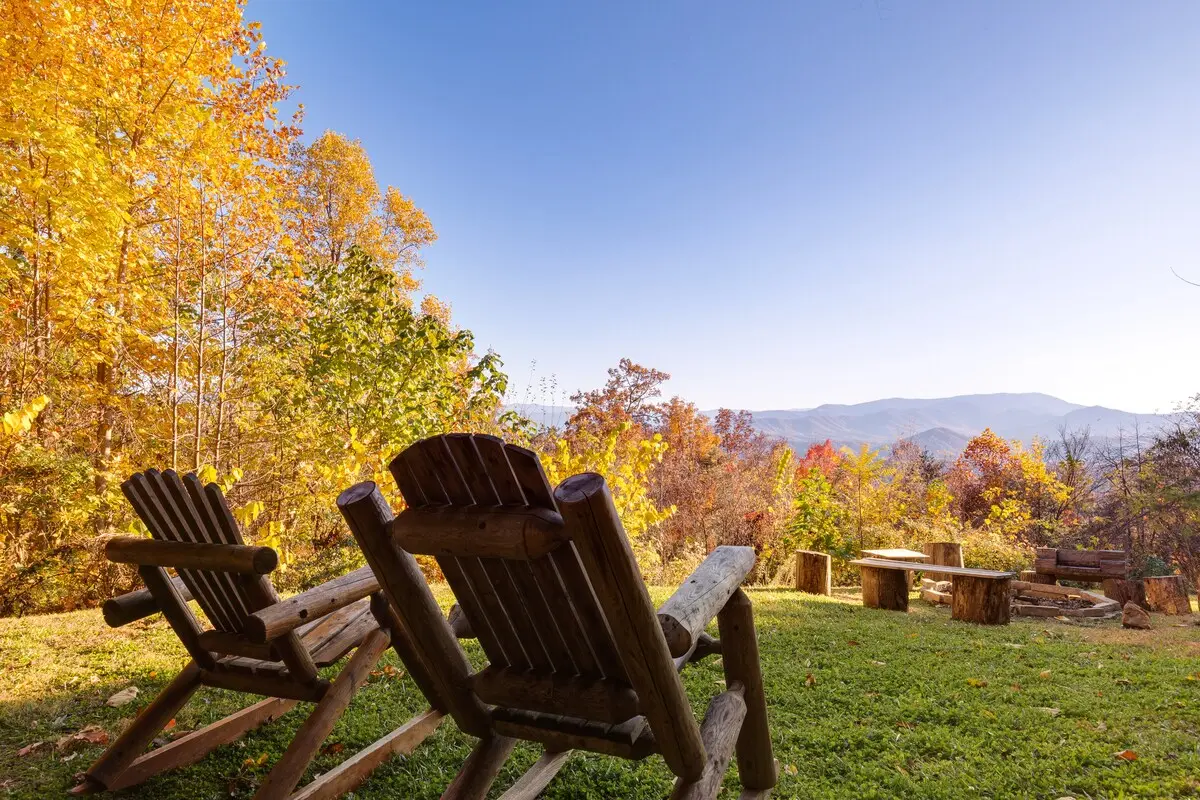
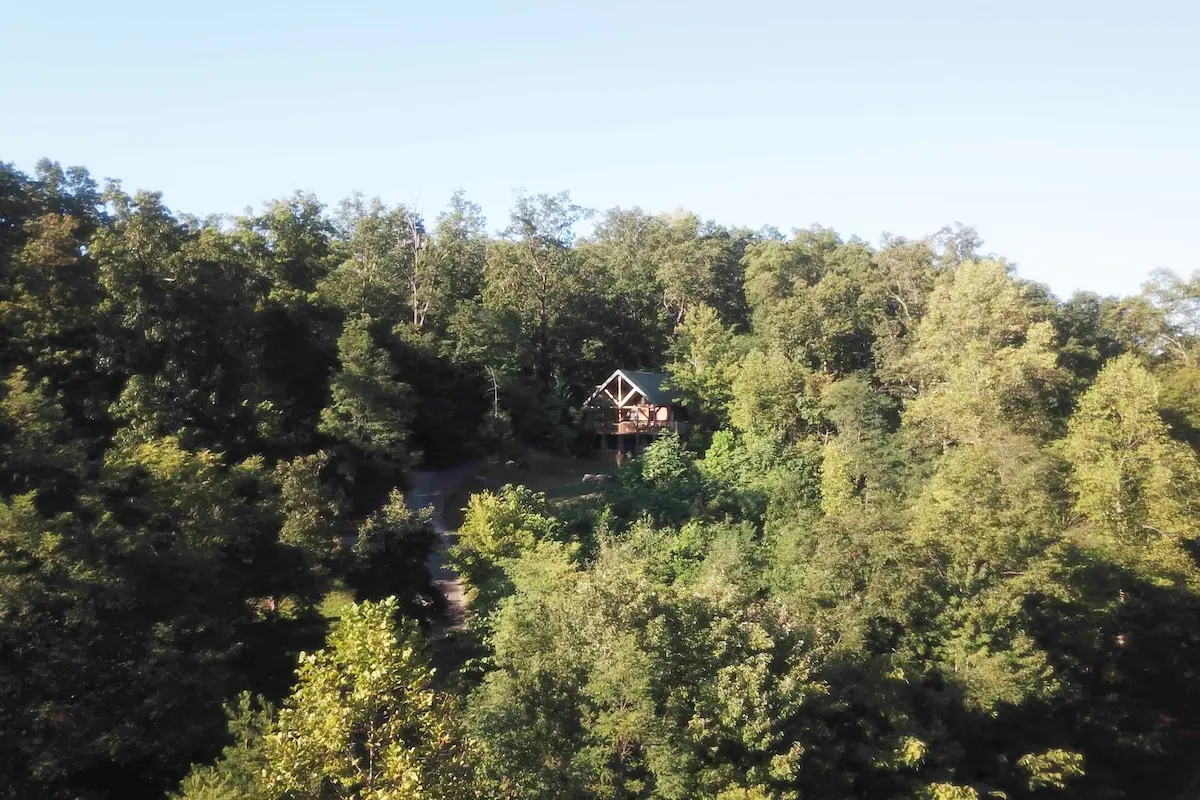
Actual photo of Thistle Britches. This is us, a private mountain cabin above Dollywood.

The daily rhythm that works
The schedule that keeps guests happy is almost boring in its simplicity. Trails and outdoor adventures before ten. Water and shade from eleven to three. Cabin time, naps, or the game room when the storms roll through. Town, dinner, and the fireworks view from the deck after seven. Build the week around that rhythm and the heat stops being a problem.

Morning: get out before the heat does
The best hospitality move I can offer is this: set an alarm on vacation. Just one, and only for the day you plan to hike. Being on a trail at seven in the morning is a completely different experience than being on the same trail at noon. The light is softer, the air is in the low 70s, the parking lots are empty, and the wildlife is still moving.
The Sugarlands entrance to the national park is about twenty-five minutes from the cabin through Pigeon Forge and Gatlinburg. Laurel Falls, the Gatlinburg Trail, and the lower stretch of the Chimney Tops Trail all work well as early-morning options. If you want something quieter, the Greenbrier area east of Gatlinburg has river-walk trails that stay shaded most of the morning. For a longer list of options sorted by effort, the local's honest list of Smokies things to do is a good starting point.
Breakfast at the cabin beats breakfast in town in the summer. The Parkway pancake houses have a line by eight, and the heat coming off that asphalt parking lot is brutal. A pot of coffee on the deck while the valley fog burns off is the better play.

Midday: water, shade, and the rainy-afternoon save
Once the sun is high, stop fighting it. The two strategies that work are water and shade, and the best summer days use both.
For water, the Little Pigeon River runs right through Pigeon Forge and Gatlinburg, with public access points where families wade and kids skip rocks. The Townsend Wye is a popular swimming hole on the far side of the park, though it is a full drive and gets crowded by lunch. Closer to home, the river access in Gatlinburg city park is shaded, free, and only fifteen minutes south.
For shade, this is where good cabin hospitality earns its keep. A wraparound deck with a roof, ceiling fans, and a 56-jet hot tub set to a cool summer temperature is a legitimate midday activity. Guests are sometimes surprised that a hot tub works in July, but turn the heat down, let the jets do their thing, and it becomes a giant cool soaking pool with a mountain view.
Then there are the rainy afternoons. This is the part most first-time summer visitors do not plan for. When the storm rolls in at three, you need somewhere to be that is not a soggy outlet mall. A cabin with a real indoor option, pool table, arcade machine, game console, gas fireplace for the rare cool evening, becomes the hero of the week. Kids who would otherwise be melting down on a wet Parkway are happily losing at eight-ball instead. Parents who would otherwise be refereeing are out on the covered deck listening to the rain hit the metal roof.
Looking for a cabin with a shaded deck, a cool-water hot tub option, and a game room that saves rainy afternoons? The cabin above Dollywood was built for exactly this kind of summer week.
Book Your StayThe hospitality mistake that wrecks most summer cabin trips
Here is the pain point nobody warns first-time summer guests about. Most Pigeon Forge cabins are packed into hillside subdivisions where the units sit twenty feet apart, share a gravel road, and have decks that look directly into the neighbor's deck. In spring and fall, that is annoying. In summer, when everyone has their windows and doors open and kids are running between cabins, it is exhausting. You came to the mountains and ended up in a hot, crowded condo with a worse view.
The second mistake is assuming any cabin will have WiFi good enough to stream a movie on a rainy afternoon or take a Tuesday morning work call. A lot of cabins up here still run on satellite or weak DSL. When the storm knocks out cell service and the WiFi is also crawling, the day is over.
What to look for instead: a property on its own acre with real separation from neighbors, a covered outdoor space for the storms, fiber internet rather than satellite, and an indoor backup plan that does not involve driving anywhere. Our cabin sits on a secluded acre with fiber WiFi clocking over 300 Mbps, which is the kind of detail you do not think about until you need it. If you are planning to mix a little work into the week, the remote-work setup guide covers the practical side in more detail.
How the right cabin handles heat
Good summer hospitality in the Smokies comes down to four things. Real shade outdoors so you can be outside during the day without baking. Reliable AC and good blinds so the cabin actually cools off inside. An indoor activity for the daily storm. And a view worth coming home to at sunset. Guests routinely mention the privacy and the deck view here, and in summer that view doubles as the entertainment, because the nightly Dollywood fireworks and drone show go off right in front of the deck around ten.
Evening: when the valley finally breathes
The reward for planning around the heat is the evening. Around seven, the sun drops behind the western ridge and the temperature falls ten degrees in twenty minutes. The cicadas shift to a softer pitch. The Parkway, which felt unbearable at three, becomes pleasant for a stroll.
This is when to do the Pigeon Forge things you came for. Dinner at one of the steakhouses or barbecue spots along the Parkway. A round of mini golf under the lights. A late ride at Dollywood if you bought the season pass. Then back to the cabin by nine-thirty for the part most guests rank as their favorite memory of the week: the fireworks and drone show, watched from the deck with the hot tub running and a glass of something cold in hand. No parking, no crowds, no shuttle ride. Just the show, the valley, and the ridge line going dark behind it.
Frequently asked questions
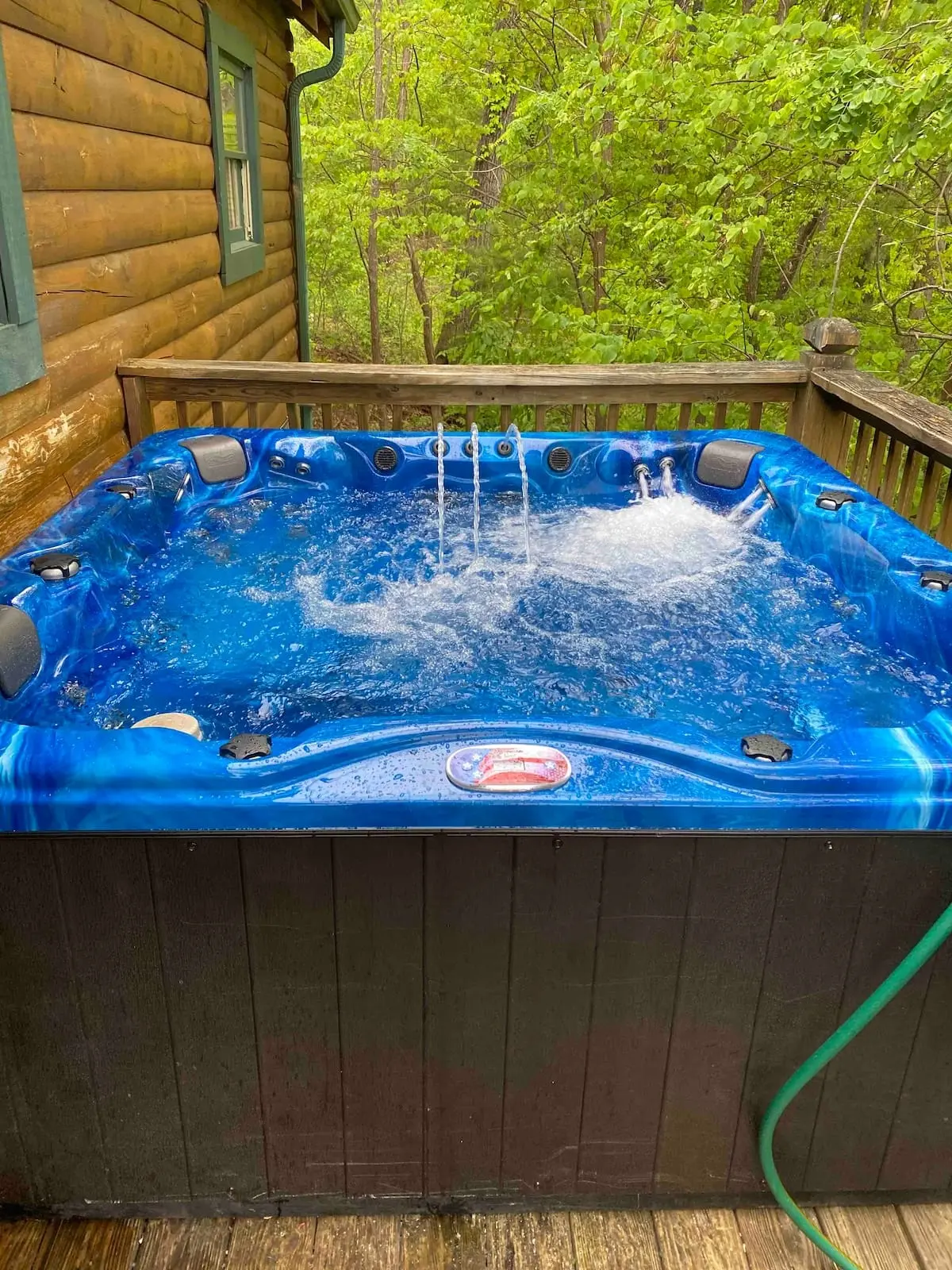 56-Jet Luxury SpaBluetooth, subwoofer, LED waterfall.
 Dollywood Fireworks ViewThe deck faces the show. In season you watch from the rail.
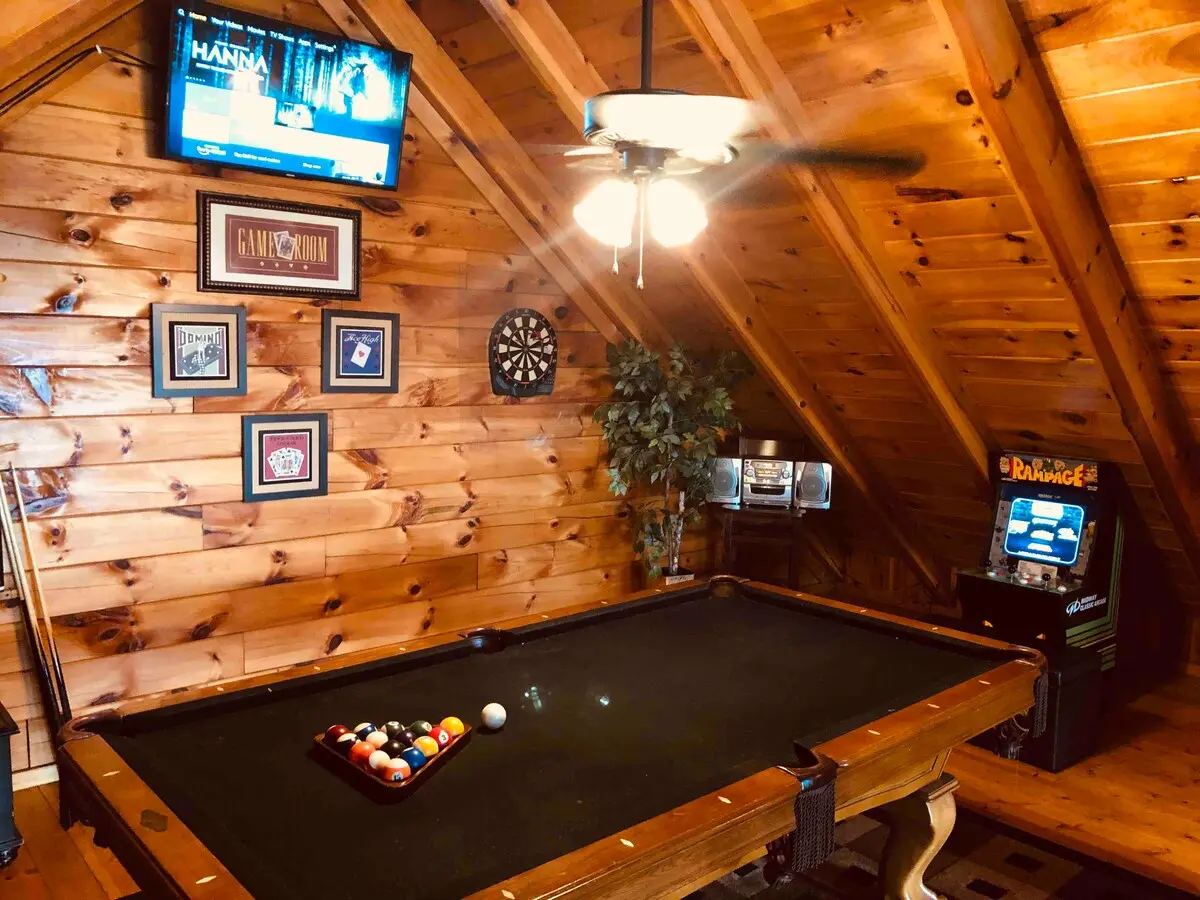 Game RoomPool table, arcade, darts, Xbox.
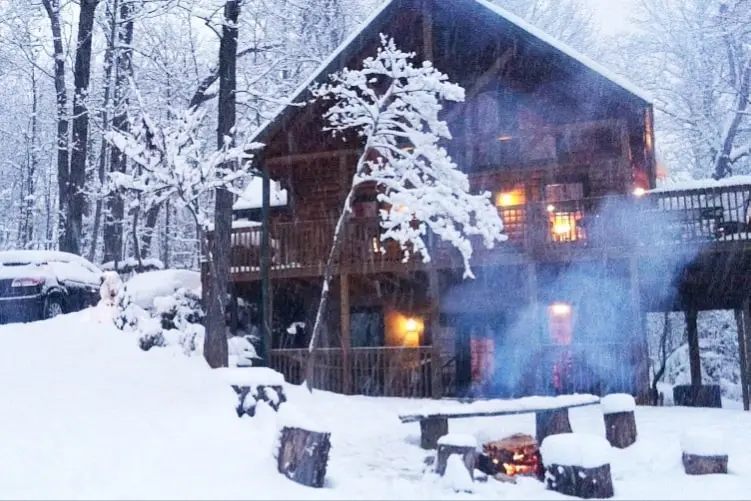 Mountain-View Fire PitS'mores with a ridgeline backdrop.
 One Private AcreNo neighbors on three sides, 800 forest acres around you.
Is it too hot to hike in the Smokies in July and August?
Not if you start early. On the trail by seven and back to the car by ten is comfortable almost every summer day. Anything after eleven on an exposed trail in August becomes a slog, and afternoon thunderstorms make higher-elevation hikes risky. Save the long, hard hikes for spring or fall and use summer for shorter, shaded, river-adjacent trails.
Do cabins above Pigeon Forge actually stay cool inside?
Yes, with one caveat. The cabin needs working central air and someone needs to close the blinds on the sun-facing windows before the afternoon. Cabins with lots of glass and no shade can run warm by four o'clock if nobody manages the blinds. Ask about AC and shade before booking, especially for August stays.
What about the afternoon thunderstorms? Are they a real problem?
They are real, daily, and brief. Most last twenty to forty minutes. The problem is not the storm itself, it is being caught out on an exposed ridge or in a long drive home. Plan to be back at the cabin or in a sit-down restaurant by three and they become a pleasant excuse to slow down.
Are summer evenings cool enough to use the fire pit and hot tub?
The fire pit is a stretch in July, most guests skip it until late August when nights start to dip into the 60s. The hot tub absolutely works year round if you adjust the temperature. In summer, dial it down and treat it like a soaking pool with jets. With the deck breeze and a sunset view, it might be the best seat in the house.
Is summer a bad time to bring a dog to a cabin here?
Not at all, if the cabin gives the dog real space. The trails inside the national park are off limits to dogs, but cabin time on a private acre, early-morning walks on the Gatlinburg Trail (one of the few dog-friendly park trails), and shaded river time work well. The pet-friendly cabin day plan walks through the logistics.
If you want a summer week with real shade, real privacy, real WiFi, and a front-row deck view of the nightly Dollywood fireworks, the cabin above Dollywood has dates open through the warm months.
Start Planning Your Trip